

Understanding Quotex India: A Detailed Guide
Explore Quotex India 🇮🇳 in detail: platform features, easy registration, trading choices, payment methods, and legal tips for safe, smart trading online 📊
Edited By
Benjamin Foster
Demo trading websites simulate real stock market conditions, allowing traders to practise buying and selling stocks, commodities, or currencies without risking actual money. These platforms use virtual funds to mirror live market data, offering a hands-on experience free from financial pressure.
Many traders in India turn to demo accounts provided by brokers like Zerodha, Upstox, and ICICI Direct to polish their strategies. Instead of jumping into the market with real capital, they first observe how their decisions would play out in a zero-risk environment.
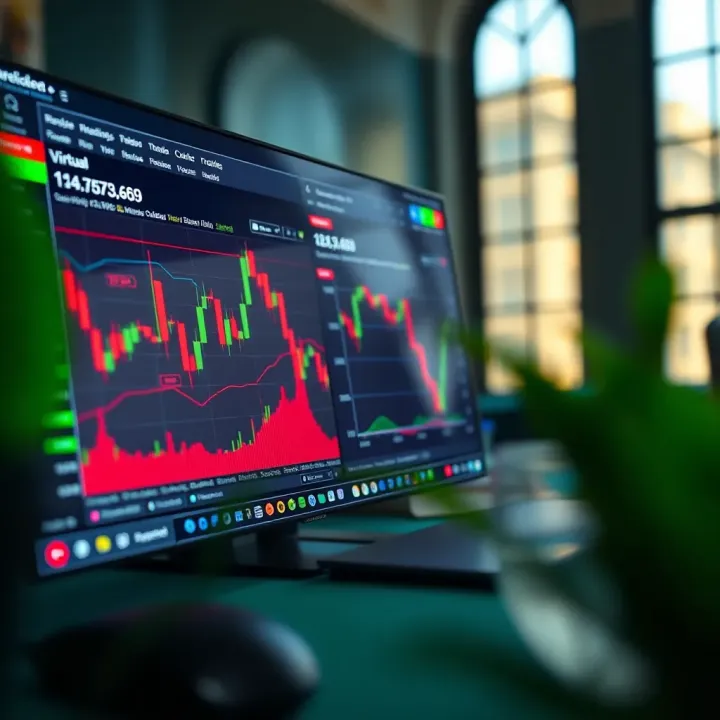
Demo trading acts as a rehearsal stage—giving you the chance to test strategies, understand market dynamics, and build confidence before committing funds.
Key advantages of demo trading include:
Risk-free learning: Beginners can explore market behaviour without worrying about losses.
Strategy refinement: Experienced traders can optimise their approaches using real-time data.
Platform familiarity: Users get accustomed to trading interfaces and tools.
For instance, a day trader aiming to scalp quick profits can test order types like limit and stop-loss orders to see their effects. Similarly, an investor planning to buy mutual funds through SIP (Systematic Investment Plan) can simulate his monthly investments to gauge outcomes.
However, it’s worth noting that while demo trading closely replicates market scenarios, the emotional stakes are absent. Real trading involves psychological pressures from potential gains or losses, which demo platforms can’t reproduce.
In summary, demo trading websites provide a practical, no-cost method to acquire and hone trading skills. Leveraging these platforms effectively could save you losses of lakhs and prepare you for live trading challenges ahead.
Demo trading websites have become essential tools for traders who want to practise without risking their money. In the bustling Indian market ecosystem, these platforms allow users to experience real market conditions using virtual funds. This helps beginners gain hands-on knowledge and seasoned traders test strategies before committing capital.
A demo trading website is essentially a practice platform that replicates live trading environments using virtual money. Its main purpose is to provide a risk-free space where traders can learn market dynamics, explore trading tools, and sharpen their decision-making skills. For example, a fresh investor from Delhi can explore equity, commodity, or currency markets through such a platform without worrying about losing actual money.
By practising with virtual funds, users can build their confidence and understand market behaviour before moving to real trades.
These platforms simulate market conditions by showing live price feeds, order books, and trading volumes almost identical to actual markets. The key difference lies in the use of virtual capital instead of real money. This setup allows you to place orders, execute trades, and watch how your portfolio performs in real time.
Take Zerodha Kite Demo, for instance. It uses live NSE and BSE data to ensure traders experience accurate price movements. However, emotional pressures like fear or greed are mostly absent because no real money is at stake.
Most demo platforms offer a wide range of financial instruments that reflect India’s active markets. These typically include:
Equities: Shares of companies listed on NSE and BSE.
Derivatives: Futures and options on stocks and indices.
Forex: Currency pairs like USD/INR or EUR/INR.
Commodities: Gold, silver, crude oil, and agricultural products.
By practising across these asset classes, traders can find their preferred markets and strategies. For example, a trader who enjoys quick intraday moves might focus on Nifty futures, while another interested in long-term growth could try simulated stock investments.
Understanding how these demo sites function is the first step to improving your trading skills systematically. By reducing real money risks, they create a learning curve that’s practical and safe.
Demo trading platforms offer a risk-free space where traders can sharpen their skills before putting real money on the line. These platforms mimic live markets, letting you practice without facing financial loss. For instance, a beginner trying to understand the volatility of Sensex can use a demo account to experience real-time price movements without worrying about losing capital.

The biggest advantage of demo trading is the chance to learn without risking actual funds. It’s like driving a car in an empty parking lot before hitting busy city roads. You can make mistakes, try different approaches, and build familiarity with trading platforms. Many novice traders use Zerodha Kite’s demo option to get accustomed to order types and market terminology before opening a live account.
Practising without financial risk builds a solid foundation and reduces costly errors when transitioning to live trading.
Using demo accounts to test various trading strategies is highly practical. For example, a trader interested in intraday scalping can simulate multiple trades quickly in a demo account to evaluate if the strategy generates consistent profits. Similarly, Indian investors can try momentum or swing trading tactics to see how they perform under different market conditions, adjusting parameters as needed.
This helps avoid blowing up capital due to untested strategies. Moreover, during volatile periods like the monsoon season affecting FMCG stocks, demo trading provides a way to understand impact without risking actual holdings.
Many traders hesitate to enter the market due to unfamiliarity with trading software or market behaviour. Demo trading bridges this gap by letting them explore features such as charts, technical indicators, and order book management at their own pace. Regular use builds confidence navigating market movements and using tools effectively.
For instance, a trader might initially struggle with placing stop-loss orders on Upstox Pro’s demo platform, but gradual practice will help them execute trades swiftly when dealing with real funds.
In summary, demo trading platforms assist traders in learning smartly, refining strategies, and gaining confidence — all of which are essential before investing real money in the Indian markets.
Choosing the right demo trading website goes beyond just signing up. It’s essential to focus on features that closely mimic live trading conditions to build skills that translate well when you trade with real money. Below are the key features that matter most for an effective demo trading experience.
A demo platform must provide market data that closely reflects actual price changes and volatility. For example, if you're practising stocks on NSE or BSE, the demo site should use delay-free price feeds or historically accurate simulations. Without this realism, your trading decisions may not prepare you for real market swings. Platforms like Zerodha Kite Demo do well here, offering live-like data that helps you understand order execution, spreads, and slippage.
The interface should be straightforward, enabling you to place orders, monitor your portfolio, and analyze charts easily. Complex tools with poor design can frustrate beginners and waste time for experienced traders. Look for platforms that offer intuitive navigation, simple order placement, and useful features such as real-time charts, indicators, and risk management tools. For instance, Upstox Pro Demo features a clean layout with multiple chart styles and drawing tools, fitting both new and seasoned traders.
Access to diverse assets lets you explore different markets and strategies. Popular demo websites usually offer equities, commodities, currency pairs, and derivatives. Being able to practise in multiple segments—as available on Angel Broking Virtual Trading—gives you a fuller understanding of market dynamics and helps identify where your strengths lie. Restricting yourself to only one asset type may limit your learning scope and miss opportunities.
Traders today often switch between devices. A good demo trading site should support seamless access on both desktop and mobile, allowing you to practise whenever and wherever convenient. Mobile access is particularly vital in India, where many users rely on smartphones for financial activities. Apps that sync portfolios and settings across platforms ensure continuity. For example, Angel Broking’s app and web platform provide consistent experiences, making demo trading flexible and user-friendly.
Choosing a demo trading platform with these key features ensures your practice feels close to real trading, helping sharpen your skills without risking money. Always test a platform’s features before committing more time to it.
In the end, prioritise platforms that combine realistic data, easy tools, diverse assets, and multi-device access to get the most out of your demo trading journey.
Familiarity with popular demo trading platforms in India helps traders practice effectively without risking real money. These platforms replicate live market conditions and provide a chance to sharpen skills, test strategies, and understand market dynamics firsthand. Knowing which platforms cater to Indian market specifics, regulatory standards and user needs ensures smoother transitioning from demo to live trading.
Zerodha Kite is among the most popular trading platforms in India, offering a robust demo environment for novice and experienced traders. Its demo version mimics real-time price movements on the NSE and BSE, giving users access to equities, derivatives, and mutual funds. The simplicity of its interface combined with advanced charting tools allows traders to practise technical strategies while getting comfortable with order placement and risk management. Zerodha’s wide user base and educational resources also make Kite Demo ideal for those starting out or seeking to validate strategies.
Upstox Pro Demo provides a seamless experience on both desktop and mobile, reflecting the user-friendly appeal Upstox is known for. This platform's demo account covers all key Indian exchange segments, including Futures & Options trading, making it suitable for day traders and swing traders looking to fine-tune strategies. Users benefit from live-like charting with indicators and can analyse their trades with detailed reports. The mobile application ensures that traders can practise on the go, crucial for those in tier-2 or tier-3 cities where mobile usage dominates.
Angel Broking Virtual Trading platform offers a risk-free space to explore equity and commodity trading. Besides approximating real market scenarios, it incorporates an educational dimension with webinars and tutorials accessible within the platform. Angel Broking’s demo setup supports advanced order types and covers the NSE and MCX markets, useful for those interested in both stocks and commodities. Its integration with voice-enabled trading also encourages traders to adapt to new technological trends in the Indian trading ecosystem.
Several third-party websites like TradingView India, Investopedia Simulator, and others offer demo trading with global and Indian stocks. These platforms often provide wider asset classes including forex and cryptocurrencies, useful for traders expanding beyond traditional Indian markets. However, users should note these may not reflect exact Indian market rules, taxes, or brokerage systems. While third-party demos help broaden market understanding, Indian platform demos tend to be more aligned with local regulations and practical trading conditions.
Using a well-chosen demo platform that closely matches the Indian trading environment helps build a solid base before moving to live markets. Always pick a platform giving you comfort with the instruments and interfaces you plan to trade in reality.
While demo trading can be an excellent way to practice strategies without risking real money, it is important to be aware of its limitations. Understanding these helps set realistic expectations and prepares you better for live market conditions.
Demo trading simulates real markets but with a few key differences. For instance, demo accounts often use virtual funds, so there's no real loss or profit. This affects how traders respond emotionally compared to live trading, where actual money is at stake. Market liquidity and order execution speeds in demos can also differ from live markets. For example, when you place an order on a live platform like Zerodha or Upstox, delays and slippage might happen, especially during volatile sessions, but demos tend to fill orders instantly. These variations mean profits in demo trading do not always translate directly to live success.
One major gap between demo and live trading is handling emotions such as fear, greed, and impatience. When trading with real money, risk management is much harder due to these psychological pressures. A trader might hesitate to cut losses or take profits too soon in a live environment but behave differently in a risk-free demo. For instance, a day trader practising on a demo may take larger risks without feeling the stress that comes with risking ₹50,000 in real trading. This emotional distinction can impact decision-making and overall discipline.
Demo accounts often have limitations like time-bound usage or restricted access to certain features. Some platforms allow demo trading for a fixed period, like 30 days, after which you must open a live account. Others may limit the variety of instruments or advanced tools available in demo mode. For Indian traders balancing jobs or studies, this could impact consistent practice routines. Moreover, internet connectivity and platform accessibility on mobiles versus desktops can vary between demo and live versions, influencing user experience.
Keep in mind, demo trading is a helpful learning tool but shouldn't replace ongoing education and real-market exposure. It works best when combined with gradual transition steps and solid risk management strategies.
Understanding these limitations helps you use demo platforms more effectively and avoid surprises when moving to live trading. Treat demo trading as a stepping stone, not the final destination.
Demo trading offers a practical way for Indian investors to sharpen their trading skills without risking real money. However, gaining value from it requires a focused approach. Below, we explore how to optimise your demo trading experience to better prepare for the live markets.
Start your demo trading journey with specific objectives. Are you testing a new strategy, learning technical analysis, or simply getting comfortable with platform tools? Setting precise goals helps you stay on track and measure improvement. For example, you might decide to practise trading only intraday stocks on the NSE using Zerodha Kite's demo to master quick entries and exits. Use spreadsheets or trading journals to record your trades, reasons for entry/exit, and outcomes. This habit reveals what works and where you need to adjust. Without clear goals, demo trading can become aimless, much like wandering in a market without shopping list.
Moving from a risk-free environment to real money trading tests your emotional control and decision-making under pressure. Develop a gradual transition plan, such as starting with small capital and low position sizes. For instance, trade ₹5,000 to ₹10,000 initially instead of committing large sums upfront. This helps acclimatise you to real market unpredictability and unavoidable slippages. Keep in mind that emotions and impulses during live trading differ sharply from demo conditions, where losses don’t hurt. Practise risk management techniques—stop-loss orders, position sizing, and profit targets—to build discipline. Demo trading teaches skills, but handling real emotions requires experience. So, expect a learning curve.
Demo trading alone doesn’t make a trader proficient. Complement your simulated trades with continuous learning through courses, webinars, and reading market analysis. Platforms like NSE Academy or SEBI-certified courses provide relevant knowledge that aligns with India’s market framework and regulations. Apply new concepts immediately in your demo account to see how they perform. For example, after learning about moving averages, test crossovers in your demo trades. This hands-on practice clarifies theory and spots gaps. Also, keep an eye on current market news and events that influence Indian markets, such as RBI policy decisions or quarterly results. Combining education with demo trading ensures a rounded preparation rather than blindly repeating trades.
Successful Indian traders treat demo accounts like a laboratory where they experiment methodically before stepping into the real battlefield. Regular goal-setting, a staged transition plan, and ongoing education are the keys to making the most of demo trading.
Ultimately, use demo trading as a stepping stone with a clear roadmap—not an end itself. That way, you avoid common pitfalls and build solid foundations to tackle Indian stock markets confidently.
Explore Quotex India 🇮🇳 in detail: platform features, easy registration, trading choices, payment methods, and legal tips for safe, smart trading online 📊
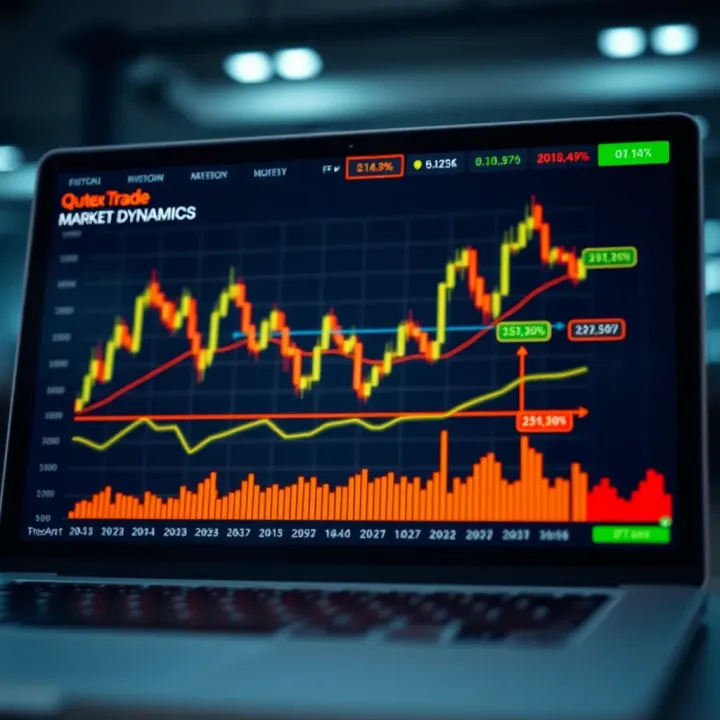
Explore Qutex trade in detail 📊 Learn how it works, benefits, risks, and get expert tips to trade confidently in India's market landscape 🇮🇳

📈 Discover how to choose the right real trading app in India, learn key features, set up safely, and get tips for smarter trading decisions. 💡📊

📊 Explore QX trading: key features, platforms, risks & benefits explained. Understand its role in financial markets for smarter investing decisions in India.
Based on 5 reviews