

Reliance Share Price Prediction 2030: Analysis & Outlook
📈 Explore Reliance share price predictions for 2030, analyzing market trends, company strengths, sector growth, and risks to guide investors wisely.
Edited By
James Fletcher
Aave has emerged as a central player in the decentralized finance (DeFi) sector, offering users the ability to lend, borrow, and earn interest on cryptocurrencies without traditional intermediaries. As one of the well-established DeFi protocols, understanding Aave's price prospects requires looking beyond simple market charts. Factors like adoption rate, technological upgrades, regulatory shifts, and overall crypto market health influence its price.
The DeFi landscape itself remains highly competitive, with platforms continually innovating to attract liquidity and users. Aave’s protocol updates, such as the introduction of new collateral types or governance changes, can significantly impact market sentiment. For instance, when Aave rolled out v3, enabling cross-chain borrowing and isolated risk pools, it created fresh interest that affected token demand.

Additionally, Aave price movements often correlate with broader crypto market conditions, such as Bitcoin’s trends or investor appetite for risk assets. Unlike traditional stocks, DeFi tokens can be more vulnerable to sudden regulatory announcements, especially in countries tightening crypto norms. This creates a layer of unpredictability for traders and investors alike.
It's worth noting that while Aave offers promising utility within the DeFi ecosystem, its token price is not insulated from volatile market swings and speculative behaviour.
Key elements driving Aave’s price include:
User growth and total value locked (TVL): High liquidity usually boosts confidence among investors.
Partnerships and ecosystem integration: Collaborations with other protocols or platforms increase utility.
Network upgrades and security: Improvements or vulnerabilities affect trust and demand.
Macro-economic factors: Interest rate changes, inflation expectations, and crypto regulation globally.
Investors planning to hold or trade Aave tokens should track these indicators closely. Unlike mainstream equities, the DeFi sector often reacts quickly to technological developments and community governance decisions. In the following sections, this article will explore market trends, price forecasts from various experts, and risks that traders and investors should keep an eye on.
Understanding Aave and its position in the market is key for anyone looking to assess its price outlook with clarity. Aave is not just another cryptocurrency token; it acts as the backbone of a major decentralised finance (DeFi) protocol enabling lending and borrowing without intermediaries. Grasping its core function helps investors recognise what drives demand and price shifts.
Aave is a decentralized liquidity protocol that allows users to earn interest by depositing cryptocurrencies and borrow assets against their holdings. Unlike traditional banks, it uses smart contracts on the Ethereum blockchain to automate loans without central authorities. For example, if you deposit Ether (ETH) in Aave’s pool, other users can borrow it by paying interest, which is then distributed to liquidity providers like you. This peer-to-peer mechanism opens up access to credit efficiently and at lower costs.
The AAVE token plays multiple roles: it governs changes in the protocol, offers staking rewards, and acts as a safety mechanism against defaults. Thus, its value ties directly to how much the ecosystem is used and trusted.
Aave stands as a prominent player in DeFi, a sector that has reshaped finance by removing intermediaries like banks. It offers unique features such as flash loans, allowing instant, collateral-free borrowing within a single transaction, mainly useful to developers and traders alike. This innovation has attracted active users and developers, boosting Aave’s market presence.
Within the competitive DeFi landscape featuring players like Compound and MakerDAO, Aave distinguishes itself with its wide asset range and user-friendly interface. Because DeFi holdings are rising globally, including in India, Aave’s influence only grows, backing its token's market demand.
Since its launch in 2020, Aave's price has shown notable volatility, reflecting the overall crypto market mood and protocol developments. It saw rapid gains during the 2020-21 DeFi boom, reaching an all-time high around ₹75,000, before corrections followed due to market-wide sell-offs and regulatory concerns.
Investors should note that unlike stablecoins, Aave’s price links closely to market sentiment, adoption rates, and upgrades. For instance, announcements about protocol improvements or partnerships have historically led to price jumps. Conversely, broader downturns in crypto typically pull Aave down too.
Understanding these elements—the protocol's utility, DeFi position, and price history—gives investors a realistic view of what influences Aave's value, helping shape better trading or investment decisions.

Understanding the key factors affecting Aave’s price is essential for traders, investors, and analysts looking to navigate the DeFi market effectively. These factors not only drive short-term volatility but also shape long-term value, guiding investment decisions with practical insights.
Market demand for Aave largely depends on the broader interest in decentralised finance (DeFi) and user adoption of its lending and borrowing services. For example, when the overall crypto market sees bullish momentum, investor appetite for DeFi tokens like Aave typically rises, pushing the price upward. On the flip side, bearish trends or negative news—like security breaches or protocol issues—can quickly dampen enthusiasm and trigger sell-offs. Trends on social media platforms and crypto forums also influence sentiment, often amplifying price swings. Thus, keeping a pulse on community discussions and market mood is critical.
Aave’s price responds strongly to its technological progress. Protocol upgrades that enhance security, reduce gas fees, or introduce innovative features—such as Aave V3's cross-chain capabilities—often attract fresh investments. These improvements not only improve user experience but also signal the project’s long-term viability. For instance, the recent focus on integrating layer-2 solutions to lower transaction costs has appealed to users in regions like India where high gas fees are a deterrent. On the other hand, delays or issues in implementation can create uncertainty, affecting price negatively.
Regulation plays a significant role in shaping Aave’s price, especially as governments worldwide tighten rules around cryptocurrency and DeFi platforms. In India, for example, potential regulations concerning crypto exchanges or DeFi protocols can lead to sharp price reactions as traders anticipate changes in legal status. Globally, any announcements from major regulatory bodies like the Securities and Exchange Board of India (SEBI) or Reserve Bank of India (RBI) on crypto policies can influence investor confidence. Furthermore, stricter Know Your Customer (KYC) requirements or bans on certain services can impact user participation, consequently affecting Aave’s market standing.
The key takeaway is that Aave’s price is shaped not just by market dynamics but also by its technological robustness and regulatory clarity, requiring investors to monitor these areas closely to make informed decisions.
By focusing on these three pillars — market demand and sentiment, technical upgrades, and regulation — you can gain a clearer view of what moves Aave’s price and avoid surprises in your trading or investment strategy.
Technical analysis plays a vital role in tracking Aave’s price movements and making informed trading decisions. For traders and investors, understanding price trends and chart patterns can reveal potential entry and exit points. Unlike fundamental analysis, which focuses on the project's underlying value, technical analysis looks solely at past price action and market behaviour to predict future moves.
Aave’s price recently demonstrated volatile swings, typical in the DeFi market. Over the past few weeks, the token has experienced a series of sharp rises followed by corrections. Such movements often reflect shifts in investor sentiment and broader crypto market dynamics. For example, a strong uptrend in early March showed heavy buying interest around ₹10,000, but prices pulled back near ₹8,500 due to profit-taking.
Analysts also watch for candlestick patterns like doji or hammer formations that often signal trend reversals. During volatile periods, volume spikes can confirm whether a breakout is genuine or a false alarm. Paying close attention to these signs can help traders avoid common pitfalls and optimise timing.
Identifying clear support and resistance levels is fundamental for trading Aave effectively. Support levels act as a price floor where demand tends to increase, preventing further declines. In contrast, resistance levels act as ceilings, where selling pressure might stall gains. Currently, Aave shows support near ₹9,000, a level tested multiple times in recent months. Breaching this could open doors to lower price zones around ₹7,500.
On the upside, resistance around ₹12,000 has capped price advances, with repeated failures to break past this level signalling cautious investor stance. If the price crosses above ₹12,000 convincingly, the road to ₹14,000 and beyond may clear, attracting momentum traders.
Watching these levels carefully helps traders manage risks and set realistic targets. Combining support and resistance with volume data and trend indicators provides a more reliable framework for decision-making.
By focusing on these technical factors, traders and investors can develop a clearer picture of Aave's price trajectory, helping them make well-timed moves rather than relying solely on speculation or hype.
Expert opinions and market predictions hold a critical place when it comes to assessing Aave's future price movements. Traders and investors benefit from these insights since they distill complex market dynamics and emerging trends into actionable viewpoints. Financial analysts often rely on these forecasts to gauge potential entry and exit points while managing risks effectively.
Experts usually incorporate various data points — including recent news, macroeconomic factors, and protocol updates — to frame their short-term and long-term outlooks. This blend of qualitative and quantitative inputs adds substantial value, especially in the fast-moving decentralized finance (DeFi) sector where conditions can shift quickly.
Short-term forecasts for Aave typically hinge on immediate market sentiment and technical triggers. For example, after the launch of the Aave v3 protocol upgrade, some traders observed an uptick in buying activity, expecting improved scalability and cost efficiency to boost adoption. Such technical launches often create price spikes lasting from a few days to a couple of weeks.
Additionally, general market volatility plays a big role. Aave’s price often mirrors broader crypto market trends, so sudden global regulatory news or shifts in investor mood can cause sharp short-term swings. Analysts usually warn traders to watch resistance and support levels closely, such as ₹3,500 and ₹3,000 respectively, to time their moves wisely.
Short-term price predictions work best as guides for nimble traders looking to capitalise on momentum rather than for long-term holding strategies.
Long-term outlooks revolve around Aave's fundamental strength and adoption trajectory. Many experts point to its pioneering role in DeFi lending and borrowing as a solid base for future value growth. Increased integration with Indian and global financial platforms can expand its user base significantly over time.
However, long-term forecasts also factor in challenges like evolving regulations and competition from emerging DeFi protocols. Conservative predictions anticipate Aave maintaining or modestly increasing its market share if it continues to innovate and comply with regulatory standards.
Some market analysts forecast Aave reaching upwards of ₹10,000 within the next five years, assuming steady growth in DeFi adoption and network enhancements. These estimates remind investors that while volatility is expected, the protocol’s underlying utility creates potential for substantial appreciation.
Overall, combining expert opinions with personal research lets you shape an informed strategy whether you are a day trader or a long-term investor focusing on this token’s evolving landscape.
Understanding the risks and challenges surrounding Aave is essential for anyone looking to invest or trade in this DeFi protocol. The cryptocurrency market is notoriously unpredictable, and Aave is no exception. Being aware of factors that could influence Aave’s price helps in making informed decisions and managing potential losses.
The price of Aave is highly sensitive to market volatility. Cryptocurrency markets often react strongly to global events, technological shifts, and investor behaviour, leading to rapid price swings. For example, during sharp market corrections like the May 2021 crypto crash, Aave’s token value dropped significantly along with other major assets. This volatility can catch even experienced traders off guard.
Besides volatility, Aave faces stiff competition from other lending protocols such as Compound and MakerDAO. These platforms continuously innovate, improving their interest rates and user interfaces, which can attract liquidity away from Aave. For instance, when Compound introduced innovative yield farming incentives, Aave saw temporary outflows. Traders and investors should closely watch how Aave maintains its competitive edge through upgrades and unique offerings.
Aave operates in a decentralised finance environment that is largely unregulated but increasingly under the radar of regulators worldwide. This unpredictability poses a direct challenge to its price stability. For example, if countries introduce strict regulations on DeFi platforms or classify tokens like Aave's as securities, it could hamper adoption and lead to sharp price declines.
India's current stance on crypto is cautious, with ongoing debates about regulations and taxation. Any move to restrict DeFi activities or impose heavy compliance requirements could impact investors domestically, affecting liquidity and demand for tokens like Aave.
Investors should monitor regulatory developments closely since changes can rapidly alter Aave’s market viability.
In summary, while Aave shows strong promise in the DeFi space, its price outlook depends heavily on navigating market volatility and regulatory pressure. Staying updated on these risks helps traders and investors set realistic expectations and adjust their strategies accordingly.
📈 Explore Reliance share price predictions for 2030, analyzing market trends, company strengths, sector growth, and risks to guide investors wisely.

📈 Explore RIL's share price outlook for 2025, focusing on key market trends, company performance, and expert insights to help Indian investors plan ahead.
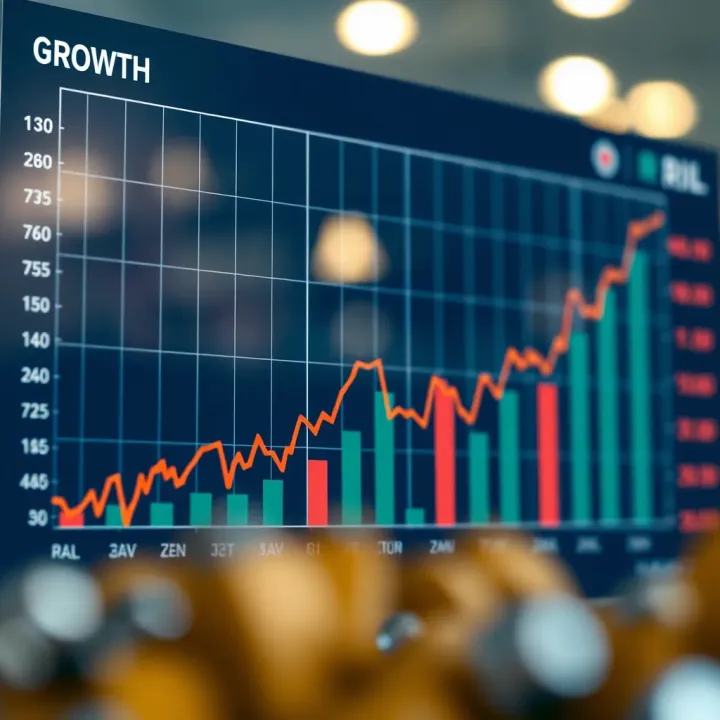
📈 Explore detailed insights on Reliance Industries Limited's share price forecast up to 2030, analyzing growth drivers, market trends, and investment risks.
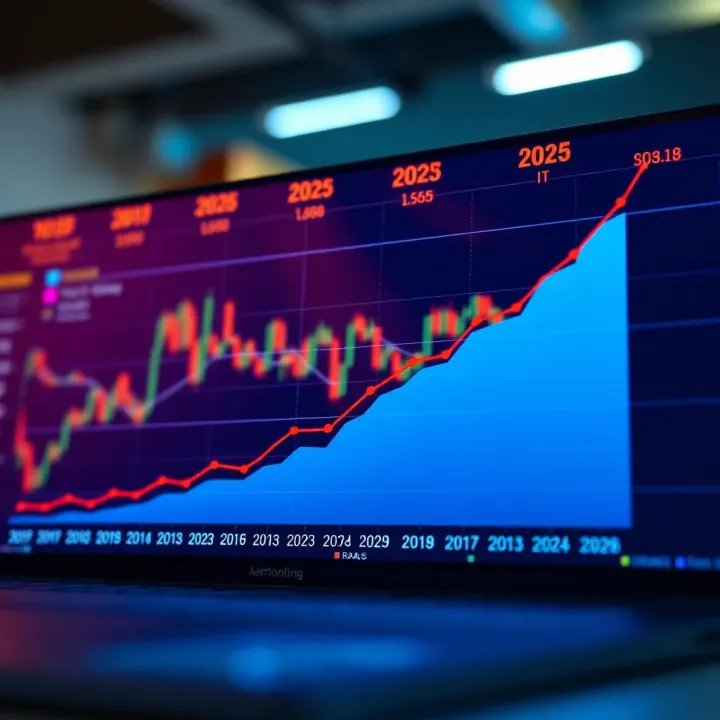
📈 Explore RIL's target price for 2025 with insights on financials, market trends, risks, and growth, tailored for savvy investors in India 🇮🇳.
Based on 15 reviews