

Understanding RBI Approved Trading Apps
Explore how RBI-approved trading apps ensure secure investments 📱🇮🇳. Learn key features, Indian regulations, benefits, and risks for smart trading.
Edited By
James Hargrove
Affordable trading apps have reshaped how Indian investors enter the stock market. The 10 Rupees trading app stands out as a budget-friendly option, appealing especially to retail traders looking for low-cost access to equity and derivatives markets.
Unlike many platforms that charge high brokerage fees, 10 Rupees offers zero brokerage on equity delivery trades and a flat fee for intraday and F&O trading. This pricing model suits traders who want to avoid eroding returns through excessive commissions.
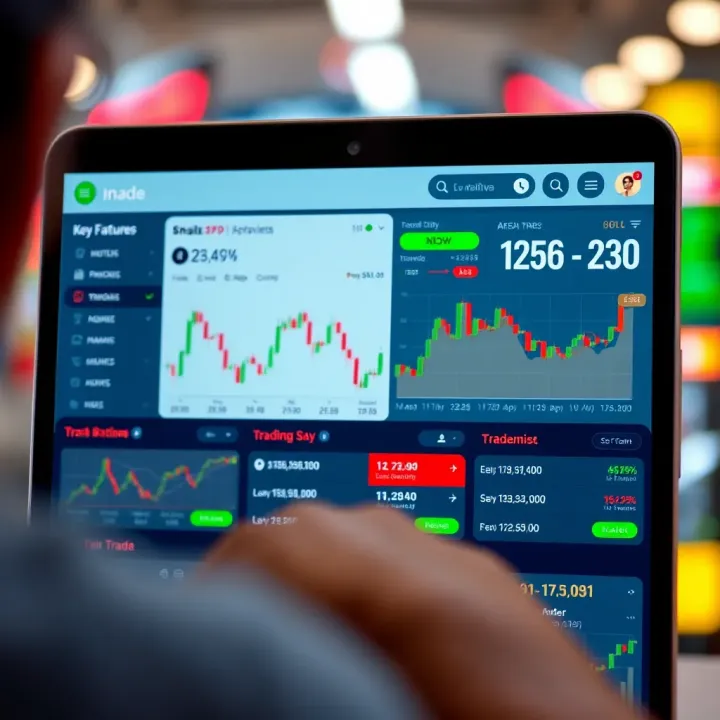
The app focuses on simplicity and ease of use, making it approachable for newcomers without compromising essential features. Users can access live market data, place orders quickly, and monitor portfolios—all from a clean, intuitive interface designed for mobile and desktop.
Security is a key consideration. The 10 Rupees app implements two-factor authentication and adheres to regulatory standards set by the Securities and Exchange Board of India (SEBI) to safeguard user data and transactions.
With integration to popular Indian payment gateways and UPI services, funding your account or transferring funds is straightforward. This seamless payment experience removes common frictions faced by many first-time investors.
Among competitors like Zerodha and Upstox, 10 Rupees holds its own by keeping costs low without cutting corners on technology or customer service. Investors focusing on long-term wealth creation through equity delivery find its zero brokerage a compelling advantage.
To sum up, the 10 Rupees trading app is a practical choice for cost-conscious Indian investors. Its balance of low fees, regulatory compliance, and user-friendly design fits well within the evolving digital trading ecosystem of India.
Low-cost trading apps have brought a significant shift in how Indians engage with the stock market. They provide easy access, affordable charges, and user-friendly platforms, helping more people explore investments without heavy brokerage costs. This section explains why these apps matter and what features you should check before choosing one.
The surge in retail investors entering the Indian stock market owes much to budget-friendly apps. Platforms like Zerodha, Upstox, and 10 Rupees have made trading accessible beyond big cities, reaching tier-2 and tier-3 towns with reliable mobile apps and low entry barriers. For example, a small town resident can invest with just ₹500 and pay minimal brokerage, which was nearly impossible through traditional brokers.
This demand grew after regulatory changes by SEBI made the market more transparent and safer, encouraging many new users. Also, the rise of smartphones and improved internet connectivity has played a big part, letting traders buy and sell stocks right from their mobiles during monsoon season or while commuting. The affordability factor reduces risks for beginners and promotes active market participation.
A good low-cost trading app focuses on three main aspects: minimal charges, simple user interface, and real-time market data. They often offer zero brokerage on equity delivery trades and fixed fees per intraday trade, saving users thousands annually.
Besides costs, essential features include:
Seamless fund transfer via UPI or net banking
Instant account opening with e-KYC processes, usually done online within 24 hours
Multiple investment options covering equities, mutual funds, derivatives, and even digital gold
Research tools and insights tailored for both beginners and seasoned traders
For instance, 10 Rupees trading app offers a straightforward experience with instant order execution and quick access to market updates, suiting investors looking for budget options without compromising on functionality.
Affordable trading apps have opened the gates for financial inclusion, empowering even small investors to participate confidently in India’s growing stock markets.
These platforms, while economical, also care about security and compliance, following SEBI guidelines to protect user data and funds. That said, it is vital to compare their features and charges carefully before signing up.
Low-cost trading apps are reshaping investment habits in India, making financial markets truly democratic and approachable.
Grasping the workings of the 10 Rupees trading app helps investors make informed choices among affordable trading options. It stands as a key example in the Indian fintech space, reflecting how low-cost platforms are transforming retail trading by lowering entry barriers and offering straightforward tools. This section breaks down the app's background, features, and user experience to provide a clear picture of its suitability.
The 10 Rupees trading app is part of a growing wave of digital investment platforms aimed at simplifying stock market access in India. Founded by experienced professionals in finance and technology, it operates with a mission to offer quality trading services at minimal costs. The company focuses on retail investors looking for nimble, accessible ways to trade in equities, derivatives, and mutual funds without hefty fees. Their base in Bengaluru, a hub for fintech innovation, supports regular tech upgrades and quick customer service.
This app accommodates a variety of trade categories including equity delivery, intraday, and futures & options across NSE and BSE markets, catering to diverse investor strategies. A standout feature is its flat Indian brokerage charge of ₹10 per trade, regardless of trade size, which attracts cost-sensitive users. Additionally, the app provides real-time market data, margin trading facilities, and direct mutual fund investments. For example, day traders often appreciate the quick order execution and low per-trade fees, while investors focused on long-term holdings benefit from zero charges on equity delivery trades.
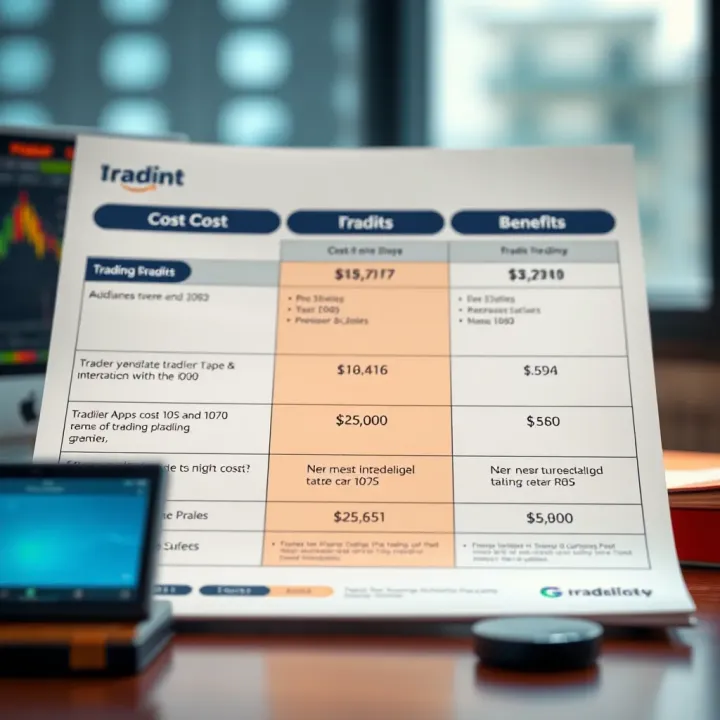
The 10 Rupees app has a clean, uncluttered interface designed for ease of use even by beginners. Navigation menus are simple, while key information like portfolio value, watchlists, and recent trades is accessible on the main screen. Users can customise alerts for price changes and order confirmations, making it easier to track market movements on the go. The mobile app performs smoothly across Android and iOS devices, with fast loading times and minimal crashes reported. For example, a trader monitoring the Sensex throughout the trading day can quickly place orders without switching screens or facing lag, which is vital when market moves are swift.
The 10 Rupees trading app balances essential trading features with affordability and simplicity, making it a solid choice for cost-conscious retail investors in India.
This understanding is crucial before deciding to use it as your trading platform or comparing it with others in the market.
Understanding the cost structure of the 10 Rupees trading app is vital for traders who want to manage expenses effectively. Since trading fees can slowly eat into profits, knowing exactly what charges to expect keeps surprises away and helps in planning trades better.
10 Rupees app offers a competitive brokerage model that appeals especially to small investors and day traders. Unlike traditional brokers charging a percentage of turnover, it commonly uses a flat fee per trade. For example, a trader might pay just ₹10 per executed trade regardless of the size, which is a boon when trading high volumes but small lot sizes. This model helps keep transaction costs predictable and low.
Besides brokerage, transaction costs also include securities transaction tax (STT), stamp duty, GST, and exchange transaction charges. Though these are standard across all platforms, 10 Rupees app makes their breakdown clear in the trade confirmation, preventing hidden costs.
Account opening with 10 Rupees app is generally free, which lowers the entry barrier for new investors. This is important since upfront fees often discourage beginners. Some platforms levy a small fee around ₹300-₹500 for demat account creation, but 10 Rupees cuts this expense.
Maintenance charges for demat accounts are also reasonable. The app typically charges an annual maintenance fee (AMC) around ₹300-₹400, comparable with other budget brokers. This fee covers the costs of holding securities electronically and ensures uninterrupted service.
Apart from brokerage and basic account fees, investors should watch out for extra costs like:
Call and Trade Charges: If you prefer placing orders through customer support instead of the app, a nominal fee (₹20-₹50 per call) may apply.
Fund Withdrawal Fees: While adding money to the trading account is usually free, withdrawing funds might incur a small charge.
Penalty Charges: For failed transactions, insufficient funds, or delayed payments, penalties might occur though these are rare with proper management.
Taking these into account helps you compare 10 Rupees app fairly with other platforms and avoid unnecessary expenses.
Overall, 10 Rupees trading app presents a transparent and low-cost structure suited for cost-conscious traders. This simplicity encourages active trading without worrying about escalating fees, which is especially beneficial in volatile markets or during frequent trades.
Security and regulation are key aspects for any trading app, especially when users entrust their money and personal details. With the 10 Rupees trading app, understanding how these factors work helps you trade confidently while safeguarding your investments.
The 10 Rupees app uses multiple layers of security to protect user data and funds. This includes strong encryption to secure transactions and personal information against cyber threats. For example, end-to-end encryption ensures that your login details or trading orders cannot be intercepted during transmission. The app also employs two-factor authentication (2FA), which adds an extra step for logging in beyond the password. This reduces the risk of unauthorised access from stolen or guessed credentials.
Moreover, the app typically keeps client funds separate from company accounts by following standard brokerage practice called "client money segregation." This prevents misuse or accidental mixing of operating funds with your assets. In the rare event of any technical glitch or cyberattack, this segregation helps protect your money and ensures quick recovery.
Regular security audits and penetration testing are part of the app's efforts to stay ahead of emerging cyber risks. These checks help identify and fix vulnerabilities before they can be exploited, making the platform safer over time.
India’s Securities and Exchange Board (SEBI) regulates stock trading to protect investors and ensure fair market practices. The 10 Rupees trading app complies fully with SEBI’s requirements, giving users confidence in its legitimacy and operational standards.
Compliance means the app has obtained all necessary licences and registrations from SEBI. It strictly follows Know Your Customer (KYC) norms to verify and authenticate users, preventing fraud and money laundering. The app also provides transparent information about brokerage charges and transaction costs, as per SEBI rules.
Risk management policies are in place to avoid misuse of the platform. For instance, the app maintains adequate net worth and uses robust internal controls audited regularly, as mandated by SEBI. It must also report unusual transactions and suspicious activity to regulators, enhancing oversight.
Trading apps like 10 Rupees working under SEBI’s supervision ensure that both your data and funds are secured within a legal framework. This regulatory compliance offers an additional layer of protection beyond just technical safeguards.
In a nutshell, the 10 Rupees trading app blends strong digital security with adherence to India’s regulatory framework, making it a trustworthy choice for investors looking for low-cost yet safe trading options.
When choosing a trading app, comparing 10 Rupees with other popular platforms helps investors find an option that fits their strategy and budget. Differences in brokerage, features, and target audience impact not only costs but also overall trading experience. For example, Zerodha and Upstox are widely used budget brokers in India with large user bases, but their fee structures and features differ significantly from 10 Rupees.
Brokerage fees form a major part of trading costs. 10 Rupees offers a fixed flat fee, typically ₹10 per trade regardless of volume. This approach suits traders who prefer predictable expenses. In contrast, Zerodha follows a similar ₹20 or ₹10 flat fee for equity delivery but charges ₹20 or ₹10 per executed order for intraday and other segments. Upstox has comparable brokerage but includes free equity delivery trades over a certain threshold.
Feature-wise, 10 Rupees supports equity, derivatives, and mutual fund investments, but it may lack advanced tools like detailed charting or algorithmic trading found on platforms like Angel One or Zerodha’s Kite. These apps offer deeper analytics, margin trading, and extensive API integrations for automated strategies. 10 Rupees emphasises simplicity and speed, targeting new traders or those with straightforward needs.
Trading app experience also varies. Some platforms provide extensive educational resources or personalised advisory services that 10 Rupees might not prioritise. Conversely, 10 Rupees mobile app offers a clean interface focused on ease and quick order execution, which appeals to many casual investors.
10 Rupees suits casual and small investors who trade occasionally or invest in SIPs (Systematic Investment Plans) without much fuss over complex features. Its low, fixed brokerage ensures costs do not balloon with higher trade volumes, offering cost certainty for budget-savvy users.
Active day traders or professionals seeking margin leverage, real-time data feeds, or advanced charting tools might lean towards apps like Zerodha, Upstox, or Angel One. These platforms offer more sophisticated order types, research reports, and integration with trading bots, which 10 Rupees currently does not focus on.
For long-term investors who prefer SIP and mutual funds, 10 Rupees may provide adequate options at competitive costs. On the other hand, seasoned traders targeting intraday or futures markets will likely find the broader feature sets and larger ecosystem of some rivals more fitting.
Choosing a trading app depends on your trading frequency, cost sensitivity, and feature needs. Comparing apps in these aspects helps avoid surprises and ensures you pick the best platform for your goals.
By weighing brokerage fee structures, available features, and match with your investment style, you get a clearer picture of how 10 Rupees stacks up against others. This comparison guides you to a platform that balances cost savings with necessary tools for your trading journey.
Choosing the right trading app can significantly impact your investing experience and costs. The 10 Rupees trading app aims to make stock market access affordable and straightforward, especially for retail investors and beginners. Before you decide, it helps to weigh its features alongside your trading goals, experience, and expectations.
The 10 Rupees app stands out with its low brokerage charges, making it ideal if you trade moderately or are just starting out. With zero account opening fees and transparent pricing, it lowers the barriers for many users who want to test the waters without locking in heavy commitments.
That said, the platform’s simplicity might be a double-edged sword. It may not offer the same advanced research tools or real-time data depth that a seasoned trader or financial analyst might require. Also, some users have noted occasional slowdowns during peak trading hours, which could affect timely trade executions.
To sum up, the 10 Rupees app works well for investors focused on cost savings, occasional trading, and straightforward investment options like equities and mutual funds. However, if you rely on in-depth analytics or active day trading strategies, you might find it less suitable.
When evaluating budget trading apps, consider factors beyond just the brokerage fees. Look at the app’s user interface, customer support, and security measures. For example, apps that comply strictly with SEBI guidelines provide added confidence regarding regulatory safeguards.
Practical benefits also matter—does the app allow quick fund transfers through UPI or net banking? Can you easily link your Aadhaar and PAN, simplifying KYC processes? Such features ease the investment journey and improve your experience.
Finally, test a few options using their demo or trial features where available. This helps you judge which app aligns best with your trading habits without risking real money.
Remember, the cheapest option might save you fees but could fall short on usability or features. Choose a platform that balances cost with reliability and convenience for your individual needs.
In India’s growing digital trading space, the 10 Rupees app offers a practical solution for budget-conscious investors, though it’s wise to match its strengths and weaknesses with your own trading style before making the call.
Explore how RBI-approved trading apps ensure secure investments 📱🇮🇳. Learn key features, Indian regulations, benefits, and risks for smart trading.

Explore Quotex trading platform 🇮🇳—features, security, options & user experience. Get tips for Indian traders to trade smart & safely online 📈🔒

Explore real money trading apps in India 🤑 Learn how they work, benefits, risks, legal tips ⚖️ & security measures to trade or play safely! 📱

Explore top RBI-authorized trading apps in India 📱. Learn about their features, security, and how to pick the best platform for safe investing 💹.
Based on 5 reviews