
Understanding RBI Registered Forex Brokers in India
Learn how RBI registered forex brokers in India ensure safe trading, comply with regulations, and what to watch for to trade legally and confidently 📊🇮🇳
Edited By
Lucas Graham
The Asian forex trading session is a key period that significantly influences currency market activity worldwide. For traders in India, understanding its timing and characteristics can sharpen strategies and improve trading outcomes.
The Asian session primarily revolves around major financial centres like Tokyo, Singapore, Hong Kong, and Sydney. This session starts roughly at 5:30 am IST and closes by 2:30 pm IST, overlapping partially with the late European and early North American sessions.
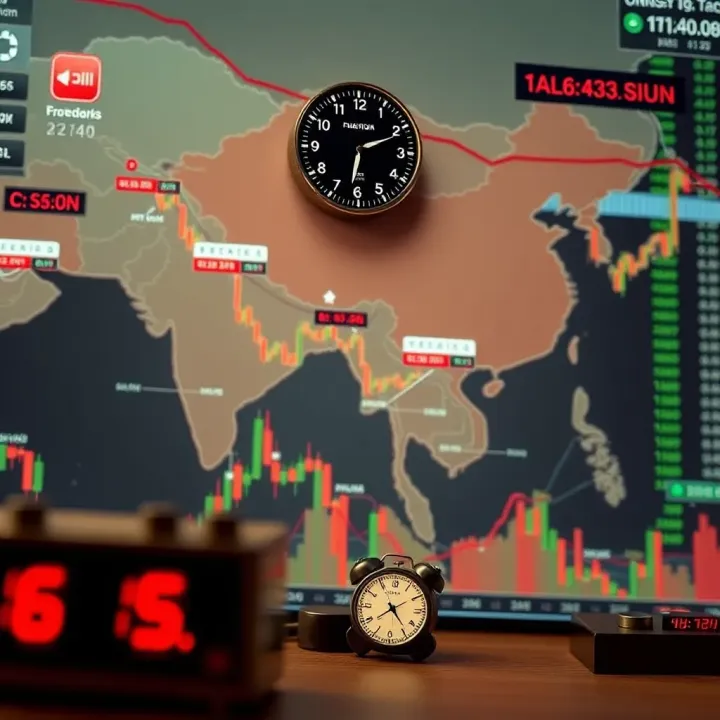
Asian session trading hours in India enable capturing market movements ahead of western market openings, making it ideal for day traders and swing traders focused on Asian currencies and commodities.
This period sees high liquidity in currency pairs such as USD/JPY, AUD/USD, NZD/USD, and Asian market stocks. Traders dealing with INR pairs like USD/INR and JPY/INR also benefit as these pairs respond actively during these hours due to the time zone alignment.
The time difference with Tokyo (3.5 hours ahead of IST) means traders in India must start early if they want to actively participate during peak trading hours. Since volatility tends to be lower than during London or New York sessions, strategies here often focus on steady momentum rather than sudden price swings.
Indian traders should watch for global economic data releases from Asia, including China and Japan, that affect market sentiment. For example, manufacturing PMI or trade balance updates during this session can trigger sharp market moves, which savvy traders can capitalise on.
In summary, the Asian forex session is crucial for Indian market participants looking to trade when liquidity is decent and market action centres around Asia-Pacific economies. Understanding these hours helps in refining entry and exit points, preventing unnecessary overnight risk, and identifying currency pairs with worthwhile volatility.
Session runs approximately 5:30 am to 2:30 pm IST
Covers Tokyo, Singapore, Hong Kong, Sydney markets
Best for trading Asian currency pairs and INR-related pairs
Early start needed due to time difference
Moderate volatility suited for momentum and range strategies
Influenced by Asian economic news
Armed with this knowledge, Indian traders can time their forex activities to catch meaningful price moves in the Asian session and better manage their risk exposures.
The Asian forex trading session marks the first major trading period in the global forex market cycle. For Indian traders, understanding this session is vital because it overlaps with Indian Standard Time (IST) during early evening to night hours, influencing liquidity and price movements. Unlike the more volatile European and US sessions, the Asian session tends to have lower volume but can provide distinct trading opportunities in specific currency pairs.
The Asian session begins as the financial centres in Asia wake up and start business, roughly from 5:00 pm IST to 2:00 am IST. This session is characterised by comparatively lower volatility compared to Western sessions, but it holds steady activity mainly due to crucial economic data releases and market openings in countries such as Japan, Singapore, Hong Kong, and Australia. Importantly, the session sets the tone for the rest of the trading day by influencing baseline trends. For example, movements in the Japanese yen often reflect during these hours, offering traders chances to anticipate later shifts in the market.
Tokyo, Singapore, Hong Kong, Sydney, and Wellington are the primary financial hubs active during the Asian session. Tokyo, as the largest forex centre, drives significant trading volume, especially in JPY pairs. Shanghai and Hong Kong also impact trading due to their growing financial importance in Asia, while Sydney's market starts earlier, bridging the time zone gap with Asia. These centres collectively contribute to liquidity, although activity mainly centres on Asian and Oceania currencies.
Compared with the London and New York sessions, the Asian session tends to feature lower overall trading volume and narrower price ranges. This can mean less dramatic price swings but more predictable, range-bound trades, suiting conservative day traders and those focusing on carry trades. The European and US sessions often show sharper volatility influenced by stock market openings and economic reports. However, the Asian session can still trigger significant moves when major news emerges from China, Japan, or Australia.
For Indian forex traders, recognising the unique rhythm of the Asian session helps in planning entry and exit points with better timing, avoiding surprise market gaps common during session overlaps.
In summary, the Asian forex session plays a distinctive role by setting early momentum with a focus on Asian currencies, while providing a relatively calmer trading environment compared to Western sessions. Understanding this helps Indian traders position themselves effectively within the global forex market.
Starts roughly at 5:00 pm IST and ends around 2:00 am IST
Centres include Tokyo, Singapore, Hong Kong, Sydney, Wellington
Lower volatility and volume than London/New York sessions
Key currency pairs: JPY, AUD, NZD, and other Asian currencies
Useful for range-bound and carry trade strategies

By appreciating these characteristics, you can approach trading during the Asian hours with more confidence and clarity, taking full advantage of the timing and market behaviour distinctive to this session.
Understanding the timings of the Asian forex session in Indian Standard Time (IST) is essential for traders here. This session includes major financial hubs like Tokyo, Singapore, and Hong Kong, and knowing exactly when it operates in IST helps align trading activities with the most liquid market periods. Since forex is a global market running 24/7, synchronising your trades with peak session hours can improve trade execution and profitability.
The Asian session typically runs from 7:00 pm to 4:00 am IST, aligning with Tokyo's business hours from 9:00 am to 6:00 pm Japan Standard Time (JST). This timing captures the opening of key markets in East Asia and Southeast Asia. For example, when the Tokyo market opens at 9:00 am JST, it is 7:00 pm IST the previous day. Indian traders can thus plan to trade actively during late evening to early morning hours to catch the highest liquidity in this session.
One complexity comes from daylight saving time (DST), which Asian countries don’t generally observe, but western forex sessions like London and New York do. This shifts their opening and closing times relative to IST across the year. While the Asian session timing in IST remains fixed, the overlap periods with European and US sessions change. For instance, during British Summer Time (BST), the London session starts earlier in IST by about an hour, increasing overlap with the Asian session. Indian traders should monitor these changes to leverage overlapping times for increased volatility and trading opportunities.
Being aware of DST shifts globally allows Indian traders to adjust their strategies and trading windows efficiently.
Knowing the Asian session timings helps Indian traders focus on currency pairs actively traded then, like USD/JPY, AUD/USD, and NZD/USD. The session often features moderate volatility, providing opportunities for traders favouring steady market moves. Since this session runs late evening to early morning in India, traders may need to adjust their schedules or use automated trading tools to manage trades overnight.
Moreover, major economic data releases from Japan, Australia, and China happen during this session and can cause sudden price spikes. Indian traders who track these events can time their entries better to optimise profits while managing risks.
By syncing their activities with the Asian forex session hours converted into IST, traders in India gain better control over entries and exits and can build strategies suited to the specific rhythms of this session.
Understanding the specific characteristics of the forex market during the Asian session helps Indian traders time their actions effectively. The Asian hours bring a unique blend of liquidity and price movements different from the European or American sessions, which directly influences trading opportunities. Recognising these patterns is vital for those aiming to navigate this period profitably.
The Asian forex session, roughly from 5:30 am to 2:30 pm IST, generally exhibits lower volatility compared to the London or New York sessions. Liquidity tends to concentrate around major Asian financial centres like Tokyo, Singapore, and Hong Kong. While the market may seem calmer, there are moments when volatility spikes, especially during key economic announcements or central bank interventions.
For example, the Bank of Japan's policy statements often trigger sharp moves in the Japanese yen pairs. Indian traders focusing on this session should be aware that trading volumes are thinner, which may lead to wider spreads and less predictable price action. Still, the steadier price trends during Asian hours are suitable for range-bound or breakout strategies that need stable market conditions.
The Asian session primarily impacts currency pairs involving Asian economies. The Japanese yen (JPY), Australian dollar (AUD), and New Zealand dollar (NZD) pairs see more significant activity during these hours. For instance, USD/JPY and AUD/USD often show pronounced moves aligned with economic data releases from Japan and Australia.
Pairs like EUR/JPY and GBP/JPY also experience activity, bridging European and Asian market forces. On the other hand, major pairs involving the Indian rupee (INR), such as USD/INR, may show moderate movements, mainly influenced by domestic events and RBI regulations.
Indian forex traders concentrating on the Asian session should prioritise these currency pairs to capitalise on liquidity spikes and volatility shifts.
By understanding these currency-specific dynamics and market behaviour, traders can better align their strategies with session characteristics. For example, day traders might focus on scalping yen crosses during the initial Tokyo hours, while swing traders could plan entries around Asian economic releases.
In summary, the Asian session, though quieter than others, offers clear trading rhythms and pair-specific opportunities valuable to Indian forex participants wanting to optimise their trading schedules.
Trading during the Asian forex session requires unique strategies because market behaviour tends to differ from other sessions like London or New York. Indian traders benefit from understanding these nuances to make the most of this time window. The Asian session typically exhibits lower volatility and liquidity for many currency pairs but sees increased activity around specific economic events.
Indian traders should focus on currency pairs directly influenced by Asian markets, such as USD/JPY, AUD/USD, and NZD/USD. For example, the USD/JPY sees frequent movements linked to Tokyo market news. Employing range-trading strategies works well here due to the session's generally tighter price ranges. Setting clear entry and exit points around support and resistance levels is crucial since prices tend to oscillate rather than trend strongly.
It also helps to keep an eye on economic calendars, especially Japan’s and Australia’s releases, as these can cause sudden price swings. Traders should avoid entering positions just before major announcements to reduce risk. Using limit orders rather than market orders during the Asian hours can provide better control over execution prices.
Lower volatility during the Asian session means smaller price swings but not necessarily lower risk. Over-leveraging can quickly erode capital if the market suddenly reacts to unexpected news. Indian traders should limit their position sizes and use tight stop-loss orders to contain potential losses.
Considering the quieter nature of the session, it’s wise to verify trade setups with technical indicators like the Relative Strength Index (RSI) or Moving Average Convergence Divergence (MACD) before committing funds. For example, if RSI indicates oversold conditions near a support level, a bounce-back trade could be planned with stop-loss just below the support.
Managing risk during the Asian session demands discipline because the market can appear calm but may react strongly around economic surprises. Staying patient and sticking to your risk limits prevents unnecessary drawdowns.
Overall, tailoring strategies and risk management to the realities of the Asian forex session helps Indian traders avoid common pitfalls, making it easier to seize profitable opportunities during these hours.
The Asian forex session moves differently compared to others, mainly because of factors like geopolitical events and central bank announcements that shape its daily rhythm. Understanding these drivers helps Indian traders navigate the market more effectively during this session, spotting opportunities while managing risks.
Geopolitical developments within Asia and the broader region often cause sharp movements during the Asian forex hours. For example, tensions in the South China Sea or trade negotiations between China and the US can affect currency pairs like USD/JPY, AUD/USD, and USD/CNY early in the day. Indian traders must keep an eye on news from countries like Japan, China, Australia, and Singapore, which serve as major economic hubs during this session.
Additionally, economic indicators such as Japan’s Tankan survey or China’s import/export statistics frequently emerge during this window, setting the tone for market sentiment. Sudden political changes, like a surprise election result or policy shift in any Asian country, may lead to increased volatility, impacting liquidity and trade execution.
Central banks strongly influence the Asian forex session dynamics through policy announcements, rate decisions, and economic data releases. The Bank of Japan (BoJ) is perhaps the most watched, given its ongoing efforts to balance inflation targets with long-term economic support. For instance, any signalling of a change in Japan’s interest rate policy can instantly shift the USD/JPY pair.
Reserve Bank of India (RBI) announcements too, while technically outside the Asian session’s primary hours, often impact expectations and provide context for broader strategies, especially for INR pairs. Traders watch Reserve Bank of Australia (RBA) and People’s Bank of China (PBoC) releases closely since these central banks manage economies that heavily influence the session.
Economic data releases—such as inflation reports, employment figures, and GDP growth—come with greater impact during the Asian session due to fewer overlapping global market hours. Therefore, Indian traders can find actionable signals by following the precise timing of these events, often available on economic calendars.
Being aware of geopolitical risks and central bank activities allows traders to anticipate market swings before they happen, rather than reacting after the fact.
To sum up: monitoring news specific to Asian countries and key economic releases equips Indian traders with insights. This knowledge can guide better timing and choice of forex trades during the Asian session to suit the often lower volatility yet potentially profitable environment.
Learn how RBI registered forex brokers in India ensure safe trading, comply with regulations, and what to watch for to trade legally and confidently 📊🇮🇳

Discover how India's top forex traders made it big, their key strategies, and get essential tips to start your own trading journey 📈💰
Explore RBI's legal rules for forex trading in India 📊 Learn about authorized dealers, transaction types, compliance, and what happens if you don't follow the law 🇮🇳
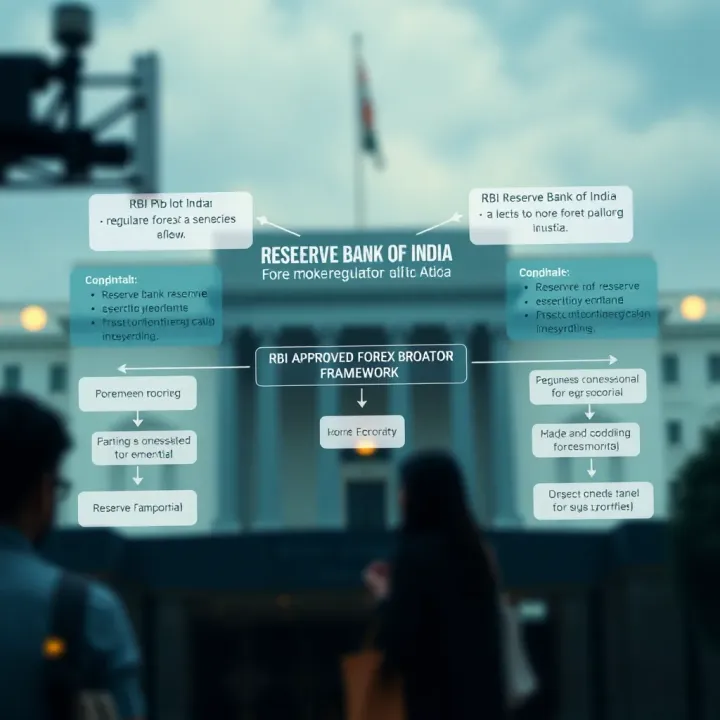
📊 Explore how RBI approved forex brokers in India safeguard your trades. Learn to spot legit brokers and manage forex risks confidently and legally. 💹
Based on 7 reviews