

Future Outlook for Reliance Share Price
📈 Explore the future of Reliance share price over the next decade, with insights on growth drivers, risks, and market trends for smart investing in India.
Edited By
George Mitchell
Cake Coin has carved a niche in the decentralised finance (DeFi) ecosystem by serving as the native token of PancakeSwap, one of the leading decentralized exchanges based on Binance Smart Chain (BSC). Its price movement has caught the eye of traders and investors, especially those seeking exposure to emerging DeFi projects beyond Ethereum-based tokens.
Understanding Cake Coin’s price trajectory requires paying attention to several factors. Supply dynamics, staking rewards, liquidity pool participation, and overall Binance Smart Chain activity significantly influence demand. Moreover, PancakeSwap’s upgrades, user adoption rates, and partnerships shape investor sentiment.

Historically, Cake Coin’s price has shown volatility linked closely to broader crypto market trends and specific developments within the DeFi space. For instance, during bullish phases in 2021, Cake price surged notably, reaching multiple thousand rupees. But corrections followed swiftly, reflecting both profit-taking and market scepticism. This cyclical behaviour suggests that market timing and strategic entry points are particularly important.
For investors and day traders, keeping an eye on PancakeSwap’s weekly protocol updates and Binance Smart Chain network metrics helps in anticipating price moves before mainstream attention kicks in.
Several technical aspects also come into play. Cake Coin’s tokenomics feature deflationary mechanisms like token burning and reward recycling, which can create scarcity over time. Traders should monitor total value locked (TVL) on PancakeSwap and the volume of active users, as these indicate healthy demand and ecosystem growth.
Finally, risks are inherent. Regulatory developments affecting crypto exchanges and DeFi platforms globally can impact Cake’s price sharply. Market liquidity dips, sudden outages, or security breaches in smart contracts pose immediate threats.
In summary, assessing Cake Coin’s price outlook involves:
Tracking PancakeSwap’s ecosystem metrics and development
Analyzing BSC network health and adoption trends
Understanding token supply changes due to burns and staking
Monitoring wider crypto market sentiment and regulatory actions
Armed with these insights, traders and financial analysts can make better-informed decisions in a fast-moving environment where both opportunities and risks exist side by side.
Knowing Cake Coin and its place in the market matters if you want to navigate the DeFi space well. This section lays the groundwork by explaining what Cake Coin is, its role in decentralised finance, and what drives its value. Traders and investors can assess where Cake Coin stands compared to other tokens and what factors might influence its price movements.
Cake Coin is the native token of PancakeSwap, a popular decentralized exchange (DEX) on the Binance Smart Chain (BSC). Unlike traditional cryptocurrencies, Cake is primarily used within the PancakeSwap platform for activities such as staking, yield farming, and voting on governance proposals. For example, users might lock Cake tokens in a liquidity pool to earn rewards, making the token integral to the platform's operation and incentives.
Cake Coin acts as a utility token within the broader DeFi ecosystem, facilitating transactions and governance within PancakeSwap. It competes with other DEX tokens like Uniswap's UNI but benefits from BSC’s lower transaction fees and faster block times, which appeal to traders sensitive to costs. Its role extends beyond trading; Cake holders can propose and vote on protocol upgrades, giving the community a say in PancakeSwap’s development. This decentralisation helps align user incentives with the platform’s growth.
Several elements affect Cake’s price through supply and demand dynamics:
Tokenomics and Supply Controls: Cake has a capped supply and employs token burning mechanisms, where a portion of transaction fees burns tokens to reduce supply over time. This limit creates scarcity, potentially supporting price appreciation.
Platform Activity: When PancakeSwap sees higher transaction volumes and more users staking tokens, Cake’s demand rises, boosting its value. For instance, popular new farming pools can drive sudden spikes in buying interest.
Market Sentiment and Broader Trends: Sentiment around DeFi in general, and BSC in particular, influences demand for Cake. Regulatory news or competition from other chains also play a part.
Understanding these points allows investors to evaluate Cake Coin’s price drivers realistically rather than relying on hype or short-term movements.
In summary, grasping Cake Coin’s basic utility, ecosystem role, and supply-demand factors equips you with the essential knowledge to track its price developments and make informed decisions on investments or trading strategies.
Understanding the historical price trends of Cake Coin is essential for investors and traders aiming to predict its future movements. These trends offer concrete insights into how the token has behaved in various market conditions, helping you spot patterns and anticipate potential shifts. Observing past price data also reveals the impact of external events, technological upgrades, and market sentiment.
Cake Coin debuted amid a crowded DeFi market but quickly made a mark due to its strong utility in decentralized exchanges. Its initial price was modest, hovering around ₹20 in the first few weeks. However, growing interest in staking and yield farming fuelled its rise to ₹150 within three months. This early surge reflected enthusiasm around new DeFi projects and investor confidence in Cake Coin’s platform.
Interestingly, the token's price showed significant intraday volatility owing to speculative trading and lack of liquidity in early stages. For example, a sudden dip to ₹90 after a security alert lasted less than a week but served as a wake-up call for cautious investors.
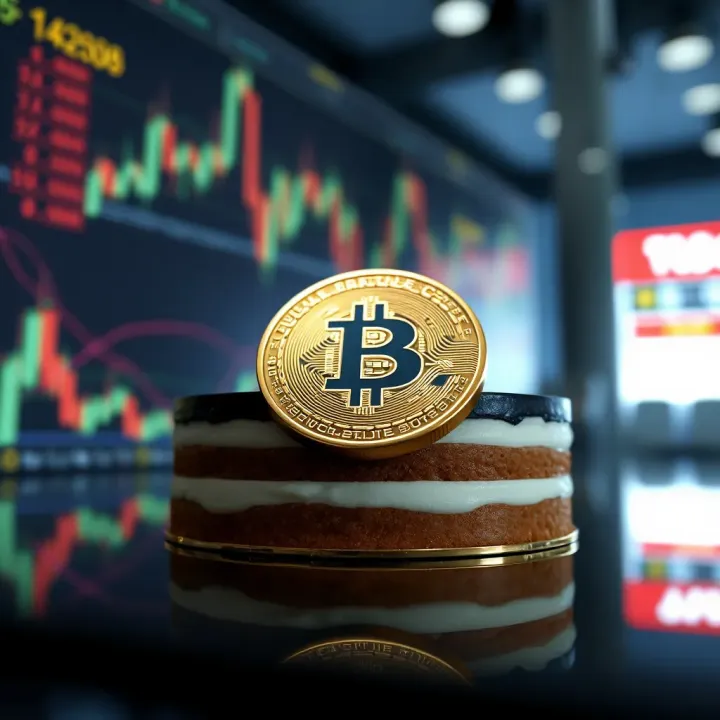
Cake Coin’s price history includes several sharp rises and falls, tied closely to broader crypto market waves and project-specific catalysts. One notable spike occurred when the team launched a major platform upgrade in late 2022, pushing prices from ₹250 to ₹400 within two weeks. Conversely, regulatory uncertainty in major markets around early 2023 caused a steep drop to ₹180.
Market-wide events like the crash in May 2022 impacted Cake Coin too, showing that while project success matters, macroeconomic factors can’t be ignored. Additionally, the announcement of partnerships or listings on major exchanges caused temporary rallies, underlining how news drives short-term price action.
When comparing Cake Coin to its DeFi peers, such as UniSwap or SushiSwap tokens, it tends to show higher volatility but equally strong growth potential. Unlike some tokens whose supply is capped, Cake Coin’s tokenomics allow gradual inflation, which affects price appreciation differently.
For instance, while UniSwap experienced steady gains over 2022, Cake Coin’s price swings were sharper but provided more opportunities for day traders. It’s also noteworthy that Cake Coin’s community-driven model led to quicker recovery post setbacks, unlike some rivals which took longer to regain momentum.
Tracking Cake Coin’s price trends alongside comparable tokens helps investors weigh risk and identify timing strategies suited for both short-term speculators and long-term holders.
In summary, historical trends provide a valuable lens to understand Cake Coin’s market behaviour, making them indispensable for anyone considering investment in this token.
Predicting Cake Coin’s price involves analysing several key factors that influence its value in the decentralised finance (DeFi) market. Understanding these elements helps investors and traders anticipate potential price movements and make smarter decisions. These factors include market sentiment, technological upgrades, regulatory changes, and broader economic conditions that collectively shape demand and supply dynamics.
Market sentiment plays a major role in Cake Coin’s price swings. Positive news, such as partnerships with major DeFi platforms or increasing user adoption, can trigger buying sprees, driving prices up. Conversely, negative sentiment arising from security breaches or market downturns can prompt sharp sell-offs. For instance, when Binance Smart Chain faced network congestion in 2021, investors became wary, momentarily impacting Cake Coin’s demand. Trader sentiment often shifts rapidly, making technical analysis and social media monitoring essential to grasp short-term momentum.
Technological upgrades can boost Cake Coin’s appeal and price. Updates that improve transaction speeds, reduce fees, or integrate new features encourage greater user activity and liquidity. For example, the rollout of smart contract optimisations or cross-chain compatibility could open fresh use cases, widening Cake Coin’s ecosystem. On the flip side, delays or bugs in updates may dent confidence. Developers’ track record and the community’s feedback on proposed changes often hint at the token’s potential to retain or grow value.
Regulations shape investor trust in Cake Coin. India’s cautious stance on cryptocurrencies means any change from government or regulators can influence market behaviour. Strict rules or bans risk shrinking user base and liquidity, dragging prices down. Alternatively, clearer regulations and recognition of DeFi projects can attract institutional investors and enhance legitimacy. Hence, staying updated on regulatory announcements by agencies like the Reserve Bank of India (RBI) or Securities and Exchange Board of India (SEBI) is critical for assessing Cake Coin’s future.
Broader economic trends impact investor appetite for risk assets like Cake Coin. Inflationary pressures, interest rate changes, or currency fluctuations affect how much capital flows into crypto markets. For example, rising inflation in India could push some investors to seek crypto as an alternative store of value, benefiting tokens like Cake Coin. However, market downturns or tightening monetary policy may lead to withdrawals. Global events causing economic uncertainty—such as geopolitical tensions or recession fears—also tend to increase volatility.
Keeping an eye on these factors side-by-side provides a balanced view for anticipating Cake Coin’s price movement, equipping investors with insights to navigate market twists effectively.
In summary, Cake Coin’s price predictions depend on how market sentiment responds to news, the success of tech developments, regulatory environments, and the pulse of the global and domestic economy. Knowing these can help traders time their entry and exit better and manage risk confidently.
Expert forecasts play a significant role in understanding Cake Coin's price trajectory. Traders and investors rely on these predictions because they synthesise market data, technical analysis, and broader economic signals. Experts break down complexities that might be missed by casual observers, offering insights to navigate volatile markets. For instance, an analyst might point out how upcoming network upgrades can boost user confidence, indirectly pushing price upward. This makes expert opinions valuable when crafting investment strategies.
In the short term, Cake Coin’s price tends to show sharp swings. Experts highlight that this volatility arises from factors like changes in market sentiment, whiplash from DeFi news, or sudden adjustments in liquidity on exchanges. For example, a regulatory warning issued in the US or India can trigger immediate sell-offs. Traders should expect such bumps and plan exit points or stop-loss levels accordingly. That said, periods of low volume often precede these jumps, hinting at potential price runs.
Looking beyond the immediate horizon, many analysts consider Cake Coin’s fundamentals — including its utility within its ecosystem and adoption rates. If DeFi protocols linked to Cake Coin continue growing and introduce features like cross-chain compatibility, experts predict steady appreciation over the next few years. It is believed that a maturing DeFi environment will reduce speculative noise and reward projects with genuine use cases. For instance, if Cake Coin can sustain or grow its staking user base, this could stabilise price and improve investor trust.
Not all experts agree on Cake Coin’s future. Some foresee bullish trends based on technological upgrades and expanding network effect, while others warn of intensified competition and regulatory challenges suppressing growth. For example, while some analysts expect Cake Coin to reach new highs, sceptics highlight risks like smart contract vulnerabilities or lost investor confidence due to market crashes. This divergence signals that investors should not rely solely on one forecast but rather consider a range of scenarios. Maintaining a balanced perspective and updating views with fresh data is wise.
Expert predictions offer practical value, but the unpredictable nature of decentralised finance demands cautious interpretation. A smart investor combines these forecasts with real-time market analysis and personal risk tolerance.
In summary, expert forecasts provide a vital lens through which to view Cake Coin’s possible price paths. They help map short-term ups and downs, outline medium to long-term potentials, and reflect the mixed opinions shaping market expectations. This equips investors and traders with a structured framework to make informed decisions in a complex, rapidly evolving market.
Understanding risks and challenges is vital for anyone considering Cake Coin investment. Volatile markets, technology flaws, regulatory moves, and fierce competition can all sway value unpredictably. Recognising these factors helps investors prepare and make better decisions.
The price of Cake Coin can swing widely due to its speculative nature. Crypto markets often react sharply to rumours, news, or sentiment shifts, which can trigger rapid gains or steep losses. For example, sudden hype over new DeFi projects sometimes drives traders to flock into tokens like Cake Coin, inflating prices temporarily. On the flip side, a general market downturn or a big sell-off by whales (large holders) can push prices down abruptly. If you're trading or investing, expect sharp ups and downs, and plan your entry and exit with this in mind.
Cake Coin’s security depends heavily on the robustness of the smart contracts it uses and the overall platform integrity. Any bugs or loopholes could be exploited by hackers, resulting in loss of funds or trust. A well-known example in DeFi is the incident involving another token where a smart contract flaw led to millions of dollars being drained. Cake Coin holders should watch for audits and upgrades aimed at shoring up security. Regular monitoring of the platform’s tech health is crucial since vulnerabilities can directly impact value.
The regulatory landscape around cryptocurrencies remains uncertain, especially for tokens involved in decentralised finance. Authorities in India and globally are tightening rules on trading, taxation, and platform compliance. If regulators impose stringent requirements or ban certain activities, Cake Coin’s liquidity and usability may suffer. For instance, unexpected GST rules or tax clarification can change investor behaviour overnight. Staying updated about legal developments and understanding how these impact DeFi tokens like Cake Coin is necessary to avoid unpleasant surprises.
DeFi tokens face intense rivalry from newer projects offering innovative features or better yields. Cake Coin must compete not only with established coins but also fresh entrants aiming to capture market share. If competitors introduce superior technology or partnerships, Cake Coin’s demand might drop. For example, a DeFi platform that improves transaction speed or lowers fees significantly can shift user preference away. Investors need to consider the sector’s dynamism and track competitor moves before expecting stable gains from Cake Coin.
By keeping an eye on these challenges, you’re better prepared to handle Cake Coin’s price volatility and make informed investment choices that balance potential rewards against risks.
This section clarifies practical risks influencing Cake Coin’s value, equipping investors and traders with knowledge crucial for navigating the unpredictable but opportunity-filled DeFi market.
Investing in Cake Coin requires a strategic approach that balances timing, risk, and up-to-date information. Given the volatile nature of cryptocurrencies—especially DeFi tokens like Cake Coin—understanding when to enter the market, managing your asset mix wisely, and staying informed can mean the difference between gains and losses.
Timing your entry into Cake Coin is key to maximising returns. Unlike traditional assets, Cake Coin's price can swing sharply within hours or days due to shifts in investor sentiment or DeFi developments. For example, during a new platform upgrade or when staking rewards increase, buying early could pay off. On the other hand, entering right after a big price spike risks catching the peak. Using technical indicators, like the Relative Strength Index (RSI) or moving averages, helps identify overbought or oversold conditions. For instance, if RSI suggests oversold territory, it may be a better time to consider buying. Also, watching the wider crypto market trends and volume can offer clues about momentum.
Putting all your investment capital into Cake Coin alone exposes you to unnecessary risk. Since cryptocurrencies are inherently volatile, spread your portfolio across different assets to cushion shocks. Combining Cake Coin with more established coins like Bitcoin or Ethereum, or other DeFi tokens with distinct use cases, helps balance your risk. For instance, if Cake Coin faces technical problems or regulatory hurdles, the impact on your overall holdings reduces. Moreover, setting clear limits on how much of your total portfolio goes into Cake Coin — say 10-15% — can protect you from sudden market downturns. Stop-loss orders can also prevent large losses by automatically selling once prices fall below a set threshold.
The decentralised finance sector moves fast; a single announcement can send prices soaring or plunging. Staying current with market news, regulatory developments, and platform updates is crucial when dealing with Cake Coin. Following official channels such as PancakeSwap’s social media, community forums, and cryptocurrency news outlets lets you react quickly to changes that may affect your investment. For example, if new regulations emerge targeting DeFi projects in a major market like the US or India, early knowledge gives you time to adjust your position accordingly. Apps with real-time price alerts and newsfeeds can make this easier so you don't miss critical information.
Effective investing in Cake Coin means combining smart timing, diversification to limit risks, and staying informed about market developments. Ignoring any of these elements can increase exposure to the unpredictable nature of DeFi tokens.
By focusing on these practical steps, you can approach Cake Coin investment with greater confidence and better adapt to the twists and turns of the crypto market.
📈 Explore the future of Reliance share price over the next decade, with insights on growth drivers, risks, and market trends for smart investing in India.
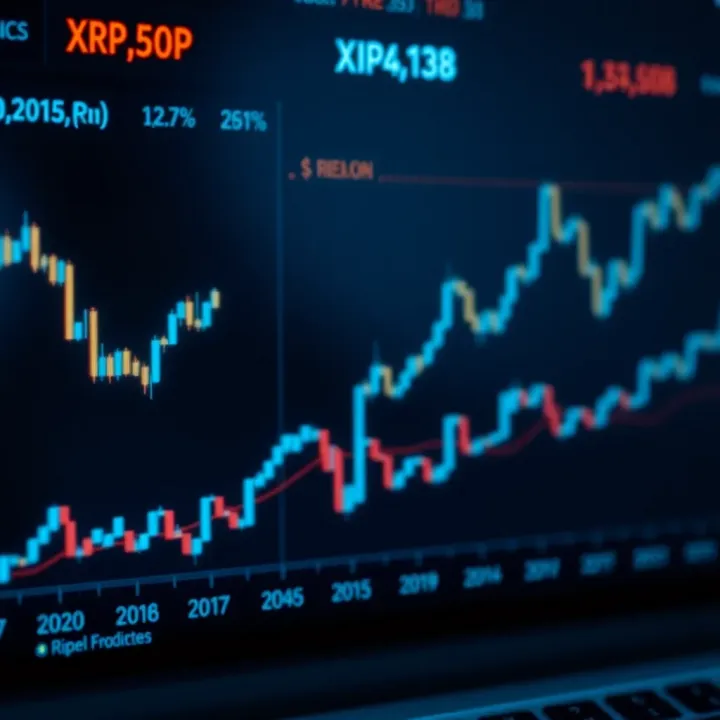
Explore Ripple (XRP) price trends 📈 with insights on tech updates, market sentiment, regulations & expert predictions for investors in India 🇮🇳 & worldwide.

Explore Reliance Industries' future growth, market trends, and tech moves in India 🌏. Get insights on strategies, challenges, and new opportunities ahead 📈.

📈 Explore Reliance share price predictions for 2030, analyzing market trends, company strengths, sector growth, and risks to guide investors wisely.
Based on 13 reviews