

Understanding Quotex Market for Indian Traders
Explore Quotex market basics for Indian traders 📈. Learn about trading tools, platform features, risks, and compliance to trade smart in India 🇮🇳.
Edited By
Oliver Davies
In many Indian cities, a complex web of traders controls much of the local commerce, forming what can be called a City Traders Imperium. These trading empires don't just appear overnight; they emerge from years of building trust, expanding networks, and mastering logistics within competitive urban markets.
City traders typically specialise in commodities such as textiles in Mumbai’s Dharavi, electronics and mobile accessories in Bengaluru’s Chickpet, or agricultural produce in Delhi’s Azadpur Mandi. Their success comes from a sharp understanding of supply chains, the ability to manage cash flows effectively, and deep connections with wholesalers, retailers, and transporters.
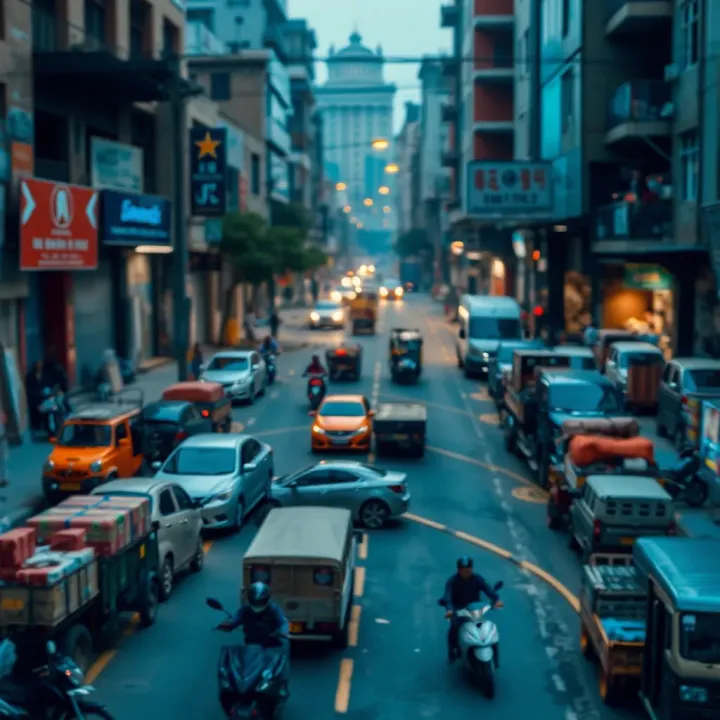
The strength of a City Traders Imperium lies in its ability to coordinate across multiple market segments while adapting quickly to regulatory changes and consumer trends.
These traders also navigate complex regulations, including licensing, GST compliance, and occasional municipal clearances, often leveraging local knowledge and relationships to smooth operations. For example, many Mumbai traders use legacy networks to obtain timely stock and avoid bureaucratic delays, while those in tier-2 cities rely heavily on regional alliances.
Building dominance requires more than just trade skills—it demands an ability to sustain market control amidst fierce competition and digital disruption. With the rise of e-commerce platforms like Reliance’s JioMart and Amazon India, traditional traders face pressure to modernise their operations or risk losing ground.
Key strategies successful city traders follow include:
Diversifying products to reduce risk from market fluctuations
Adopting technology like digital payments (UPI, mobile wallets) to improve transaction speed
Strengthening relationships with suppliers through transparent credit practices
Monitoring market trends for timely adaptation
Understanding this ecosystem helps investors and financial analysts gauge risks and opportunities in urban trade sectors. As the Indian economy shifts swiftly, the agility of City Traders Imperiums in navigating these changes will play a significant role in urban commerce for years to come.
Grasping the concept of a City Traders Imperium helps clarify how certain trader groups establish strongholds in urban markets. This understanding reveals the mechanisms that make these traders dominant, enabling better decision-making for investors and analysts tracking market behaviour. It also aids policymakers in recognising the impact of such trading empires on local economies.
Dominant trader groups typically control significant market share, maintaining influence through extensive networks and business alliances. They often specialise in particular commodities or sectors, developing deep expertise combined with capital strength to outcompete smaller traders. For example, in Mumbai, certain textile trader syndicates have controlled distribution channels for decades, using their reach and credit systems to sustain dominance. These groups usually exercise strong information control, swiftly adapting to market shifts and leveraging local trust.
Historically, trader imperiums in India grew through community-based networks and caste associations. In cities like Ahmedabad and Kolkata, merchant communities such as the Patels and Marwaris built lasting trade networks starting in the pre-independence period. These networks combined social ties with business practices, facilitating credit availability and risk sharing. Over time, they became central to urban commerce, setting patterns still visible in how modern traders coordinate supply and demand amidst regulatory changes.
Strong business alliances form the backbone of a trading empire. These networks include suppliers, distributors, financiers, and even informal agents who help maintain smooth operations. For instance, Delhi’s wholesale fruit markets depend on tight-knit partnerships that ensure fresh produce rapidly moves from farms to retail shops. Such alliances help traders negotiate better prices, manage risks like stock shortages, and expand market reach. Without these connections, sustaining a competitive urban trading business becomes challenging.
Controlling resources such as inventory, warehouses, and transport facilities gives traders a significant edge. Access to capital, often through both formal banks and informal community lending, enables bulk purchasing and maintaining adequate stock levels. For example, large jewellery traders in Chennai mobilise capital quickly to take advantage of market fluctuations in gold prices, allowing them to offer competitive rates and gain customer trust. Effective resource control also means managing working capital cycles efficiently to stay solvent during market slowdowns.
City Traders Imperium thrives on a mix of strong networks, resource grip, and quick capital movement – these elements keep them ahead in the competitive urban trade scene.
Understanding these foundations helps stakeholders evaluate how trading empires sustain dominance and adapt to evolving urban market dynamics.
The operational dynamics underpinning a City Traders Imperium are vital for maintaining its market dominance in Indian urban centres. These dynamics combine efficient supply chain management, adept navigation of regulatory frameworks, and a keen approach towards competition. Traders must continuously refine these aspects to ensure smooth operations and sustained growth, especially amid rapid urbanisation and evolving market conditions.

Procurement strategies form the backbone of an imperium's strength. Successful traders often develop deep, reliable relationships with manufacturers and wholesalers, securing favourable rates and priority in supply. For instance, a textile trading group in Surat might directly partner with fabric mills in Ahmedabad to access fresh stock at better prices, bypassing middlemen. Such vertical integration reduces costs and inventory delays, giving these traders a competitive edge and enabling bulk discount schemes for their customers.
Additionally, timely procurement is critical for seasonal products like festive goods or monsoon supplies. Traders closely monitor demand patterns and plan procurement cycles accordingly to avoid stockouts or excess inventory, which can be costly in fast-moving urban markets.
Distribution networks in urban markets ensure that goods reach retailers and end consumers efficiently. City traders usually build layered distribution - from central warehouses to smaller godowns and finally to local kirana shops or neighbourhood markets. Consider Mumbai’s fish trade; networks connect large wholesale markets like Sassoon Docks with local vendors across suburbs using refrigerated vehicles and well-timed routes to maintain freshness.
Advanced logistics also include tracking systems and coordinated delivery schedules, enabling traders to serve multiple outlets daily without significant delays or wastage. This network responsiveness boosts trader reputations and customer trust, which are essential to sustain urban dominance.
Compliance with local laws and taxes remains a complex but unavoidable concern. Urban traders must stay abreast of GST rates, input tax credits, and municipal levies to avoid penalties that disrupt operations. For example, a grocer operating across Bengaluru needs to understand both central GST and any applicable local taxes, such as octroi pre-GST days, to price products correctly.
Regular filings, audit readiness, and transparent invoicing not only prevent legal issues but also build credibility with banks and financial institutions, facilitating easier access to credit. Given the RBI’s push towards digital compliance, many traders now also adopt e-invoicing and digital recordkeeping as part of good governance.
Dealing with competition and informal traders forms another significant operational challenge. Informal traders often operate outside strict regulations and can undercut prices due to lower overheads. City trader imperiums respond by emphasising quality assurance, brand trust, and customer loyalty schemes instead of merely competing on price.
Moreover, collaboration sometimes emerges where formal traders engage informal ones as last-mile distributors or deal with them sympathetically rather than antagonistically. This nuanced approach helps maintain market harmony and prevents disruptions that hurt all players. For instance, some wholesale traders in Delhi maintain informal credit lines for smaller vendors, ensuring consistent business flows despite competition.
Efficient operations and sharp compliance are non-negotiable for City Traders Imperium to thrive. These aspects directly influence market reach, cost management, and long-term sustainability in India’s bustling urban trade centres.
In sum, mastering supply chain intricacies and regulatory landscapes enables city trader groups not only to survive fierce competition but to flourish as pillars of urban commerce.
City traders imperium significantly shapes local economies by stimulating job creation and enhancing market activity. These trading empires employ a diverse workforce, ranging from skilled professionals managing finances and logistics to daily wage workers involved in loading, unloading, and shop operations. For instance, the bustling wholesale markets of Surat and Ludhiana rely heavily on trader-led employment to keep the supply chains running smoothly. This employment not only sustains families but also supports ancillary services like transport, packing, and local vendors.
Beyond direct jobs, city traders play a key role in fostering entrepreneurship within urban areas. Many small-scale traders and distribution partners build their livelihoods around the networks created by dominant trading groups, adding resilience and diversity to the local economy.
Role in urban job creation
Urban trading imperiums generate extensive employment opportunities, both formal and informal. This includes retail staff, warehouse handlers, drivers, and clerical workers. Consider Mumbai’s Dharavi market, where traders sustain thousands of micro-businesses and individuals working in supply chains reaching across India. The continuous demand for labour ensures income flows even in economically slower periods.
Boosting local manufacturing and wholesale markets
City traders often act as crucial links between manufacturers and consumers. Their ability to source products from local manufacturers boosts regional production. In Ludhiana, textile traders regularly collaborate with nearby factories, creating a steady outlet for local goods. These arrangements support wholesale markets by regularly rejuvenating inventory, encouraging manufacturers to increase output and innovate based on trader feedback.
Their involvement in bulk purchases also helps control prices and maintain supply stability, essential in fast-moving consumer goods and commodities.
Relationship with municipal governance
City traders imperium usually maintains a dynamic relationship with municipal authorities. Traders often engage with local governance to ensure adherence to tax regulations and city by-laws, maintaining their business legitimacy. At the same time, they sometimes influence policy decisions, such as trading hours and market space allocation, through trader associations.
In cities like Ahmedabad, municipal corporations have partnered with trader bodies to upgrade infrastructure in market areas, benefiting both the traders and the public. Such collaborations help balance commerce growth with urban planning needs.
Community engagement and philanthropy
Many trading houses undertake community initiatives, ranging from funding schools to organising health camps. This philanthropy builds goodwill and strengthens social ties within neighbourhoods where these traders operate. The Agrawal and Marwari trading communities are known for their charitable trusts supporting education and disaster relief efforts, reflecting an embedded culture of giving back.
These social investments help sustain the trader’s long-term presence and reputation in the city, proving that their influence extends beyond commerce into shaping society.
This blend of economic contribution and social responsibility positions the city traders imperium as a pivotal actor in urban India's commercial and civic life.
Urban trading empires face several challenges as the business environment evolves rapidly, particularly with technology and market expectations shifting swiftly. Addressing these challenges is essential not only to maintain their market share but also to innovate and tap into fresh growth areas. This section explores key obstacles such as rising competition from e-commerce and organised retail and the strategic steps traders adopt to modernise their operations.
Digital marketplaces like Amazon India, Flipkart, and Myntra have expanded consumer choices and shifted pricing transparency drastically. These platforms offer easy access, customer reviews, and swift home delivery, which puts pressure on traditional urban traders to rethink their retail models. For instance, several Mumbai-based wholesale markets now see lower footfall as buyers opt for quick online orders with doorstep delivery.
This shift demands city traders embrace omnichannel presence or risk losing customers. Some traders have started listing products on platforms like IndiaMART or Justdial to maintain visibility. The key is blending the physical store's trust and experience with the convenience online platforms provide.
Urban buyers increasingly expect personalised services, instant responses, and diverse payment options, moving away from purely price-driven decisions. The younger generation, especially millennials and Gen Z consumers, prefer quick digital access with secure transactions. This change means traders can no longer rely solely on established relationships but must actively engage customers through social media or mobile communication.
Moreover, festive seasons see spikes in online demand, and traders failing to adapt risk losing out on these critical sales opportunities. The Indian festive market, especially around Diwali and Dussehra, highlights how changing habits influence purchase decisions, with many opting for online pre-orders and EMI options.
Accepting payments through Unified Payments Interface (UPI), mobile wallets like PhonePe, Google Pay, or BharatPe has become a must-have rather than an option. These systems reduce the dependency on cash, increase transaction speed, and improve record-keeping. Traders integrating digital payments report faster turnover and better customer convenience, which is vital in crowded urban markets like Delhi's Chandni Chowk.
Additionally, government initiatives encouraging digital transactions incentivise businesses through cashback and tax benefits, making the switch financially prudent. Traders who still depend heavily on cash face operational inefficiencies and risk losing younger customers accustomed to digital ease.
Digitising supply chain operations helps traders track inventory in real-time, plan procurement efficiently, and reduce wastage. For example, using simple ERP (enterprise resource planning) software can automate reorder points and generate sales reports, enabling faster decision-making.
Cities like Bengaluru, which host many tech start-ups, show how digitised supply chains reduce delays and improve stock availability. This digital shift also improves logistics coordination—traders can optimise routes for timely deliveries, lowering costs and enhancing reputation.
Traders who adopt technology early tend to outpace competitors by improving customer service and operational efficiency, securing their trading imperium's future in an increasingly digital economy.
By proactively addressing the challenges of e-commerce competition and modernising through technology, urban trading empires can sustain dominance in Indian markets while evolving alongside consumer behaviours and market trends.
The future of city traders imperium in Indian urban markets hinges on adapting to evolving business environments and exploring untapped opportunities. Understanding sustainability and growth options while navigating government policies and regulation will determine their ability to maintain dominance. Traders who embrace these factors can expand influence beyond metropolitan boundaries and compete with organised retail and e-commerce players effectively.
Expansion to tier-2 and tier-3 cities presents a promising path for city trading empires. These cities offer growing consumer bases with improving infrastructure and increasing disposable incomes. Traders can tap into less saturated markets with lower operational costs compared to metros. For instance, traders from Mumbai and Delhi have begun establishing wholesale outlets in cities like Indore and Coimbatore, tailoring product lines to regional preferences. This expansion avoids direct head-to-head competition with big retail chains, allowing traditional trader groups to grow steadily.
Collaborations with organised retail chains serve as another growth lever. City traders can supply regional and local inventories, integrating their extensive market knowledge with the efficiency of retail chains. This synergy benefits both sides by improving product availability and reducing supply chain bottlenecks. Examples include partnerships where traders provide FMCG products to stores operated by chains such as Reliance Retail or DMart, enabling them to leverage organised retail’s distribution while retaining their wholesale strength.
The role of government in enabling traders has become increasingly relevant, especially for small and medium traders adapting to formalisation and digitisation. Government initiatives like the Digital India programme, ease of doing business reforms, and support for GST compliance help traders streamline operations. Effective policy backing lowers entry barriers when expanding to smaller cities or collaborating with organised sectors. Moreover, access to credit facilities driven by government schemes assists traders lacking capital to scale up.
The need for balanced regulation is vital to sustain the imperium while safeguarding fair competition. Overregulation or cumbersome compliance can burden urban traders, forcing smaller players out or pushing them deeper into informal trade. On the other hand, a regulatory vacuum risks exploitation by unfair practices. Practical regulation must balance protecting traders’ interests with fostering innovation and consumer protection. For example, clear guidelines on licensing, taxation, and digital payments help traders compete with e-commerce firms while maintaining transparent operations.
City traders imperium will thrive only if growth strategies and policy landscapes evolve hand in hand, recognising the unique strengths and challenges of urban trading ecosystems.
By focusing on expansion to emerging cities, strengthening partnerships, and advocating for supportive policies, city trading empires can sustain and grow their foothold across India’s dynamic urban markets.
Explore Quotex market basics for Indian traders 📈. Learn about trading tools, platform features, risks, and compliance to trade smart in India 🇮🇳.

Discover the wealth and strategies of the richest traders 🌍📈 Learn their methods, risks, and key lessons to trade smartly and realistically in today's markets 📊💡

📈 Understand Quotex with our detailed guide for traders in India 🇮🇳. Learn how to set up accounts, explore trading options, strategies, and key risks.

Explore QXBroker.con for Indian traders 📊: detailed insights on accounts, platforms, fees, regulations, and support to help you trade wisely and securely.
Based on 7 reviews