

Reliance Industries Share Price Forecast for 2025
🔍 Explore Reliance Industries' projected share price by 2025, analyzing financials, key growth factors, market trends, and expert predictions for investors.
Edited By
Amelia Clarke
Dogecoin, once a lighthearted meme cryptocurrency created in 2013, has grown into a serious contender in the digital asset space. Originally launched as a fun alternative to Bitcoin, it now attracts traders and investors intrigued by its unique community and widespread acceptability. Its journey from a niche joke coin to a frequent topic in financial discussions has been shaped by notable endorsements, rapid market movements, and evolving use cases.
In 2025, Dogecoin's outlook hinges on several factors. Market behaviour, technological updates, and regulatory developments will influence its price and usability. The coin’s relatively low transaction fees and faster block times compared to Bitcoin keep it popular for peer-to-peer payments, especially in regions with limited banking access.

Several recent trends indicate growing institutional interest in Dogecoin. Big players exploring crypto now include altcoins that show promise beyond mere speculation. Dogecoin's integration with mainstream payment platforms and its presence on major exchanges have improved liquidity and accessibility.
However, risks remain. High volatility and the speculative nature of Dogecoin continue to pose challenges. Investors should watch for shifts in sentiment driven by social media, celebrity endorsements, and macroeconomic trends like inflation and interest rate adjustments by central banks.
Understanding Dogecoin's trajectory means balancing enthusiasm with caution. Insights into its community-driven support, technology updates like potential protocol enhancements, and broader crypto market trends equip investors to make informed decisions.
Key points traders and investors must focus on include:
Dogecoin’s role in microtransactions and tipping economies
Impact of network upgrades or forks on its scalability
Market sentiment influenced by influencers and global events
Regulatory stance from bodies like SEBI and international authorities
Grasping these aspects helps you evaluate Dogecoin's potential as part of a diversified crypto portfolio in 2025 and beyond. This article will delve deeper into these topics to provide practical investment insights tailored for today's dynamic market environment.
Understanding Dogecoin's journey helps traders and investors grasp its current market dynamics and future prospects. By tracing its origins, technical traits, and unique community culture, one gains insight into why Dogecoin remains relevant and how it differs from other cryptocurrencies.
Dogecoin was created in 2013 by software engineers Billy Markus and Jackson Palmer as a fun alternative to Bitcoin. Unlike Bitcoin's serious image, Dogecoin capitalised on the popular "Doge" meme featuring a Shiba Inu dog, making it instantly relatable and playful. Initially, it aimed to be a friendly, approachable cryptocurrency rather than a purely serious investment asset.
Technically, Dogecoin is based on Litecoin's codebase, utilising the Scrypt algorithm which allows faster transactions and lower fees compared to Bitcoin's SHA-256. This fast processing makes Dogecoin practical for small payments or tipping online, especially where speed and cost matter. Its inflationary supply model—unlimited coins are added gradually—also encourages spending rather than hoarding.
The Dogecoin community has played a major role in maintaining its popularity. Known for generosity and lightheartedness, this close-knit group organises charitable activities, sponsors sports events, and promotes crypto adoption. This grassroots culture boosts user loyalty and differentiates Dogecoin from more corporate-driven coins.
In the early years, Dogecoin gained traction through online forums and social media, appealing to internet users who enjoyed its meme appeal and fast transactions. It wasn't immediately taken seriously by financial institutions but built a strong retail investor base, which kept it alive during crypto market downturns.
Several events catapulted Dogecoin into the mainstream. The 2021 surge, fueled by social media campaigns and celebrities like Elon Musk tweeting about Dogecoin, pushed its price and recognition notably higher. These moments showed how influential public endorsements and viral trends could be in crypto price moves.
Comparing Dogecoin with other cryptocurrencies reveals its niche: while Bitcoin focuses on store of value and Ethereum excels at smart contracts, Dogecoin thrives as an easy-to-use coin for microtransactions and online tipping. Its accessibility and community spirit have helped maintain interest even as more technologically complex coins emerged.
Tracing Dogecoin's evolution clarifies its market role, helping investors make informed decisions based on its unique features and history.
Dogecoin's journey in 2025 will depend heavily on several factors, mainly on technological improvements and shifts in market behaviour. These elements play a vital role in defining its usability, value, and acceptance within the evolving crypto ecosystem. Understanding these will help investors make informed decisions, considering Dogecoin's unique niche as a meme coin with a strong community base.
Planned network improvements will directly affect Dogecoin’s speed, cost, and overall appeal. For example, the potential integration with Litecoin's protocol upgrades, such as the adoption of the MimbleWimble extension block for enhanced privacy and transaction efficiency, can reduce fees and transaction time. This makes Dogecoin more practical for everyday use, especially in microtransactions or online tipping, where speed and low costs matter a lot.
The integration with payment systems is another key aspect shaping Dogecoin's future. Several payment platforms, including e-commerce sites and mobile wallets, have started accepting Dogecoin, largely due to its rising popularity. Expansion efforts to connect with mainstream payment gateways like Razorpay or Paytm could further bridge the gap between crypto and traditional retail payments in India. This would strengthen Dogecoin’s position as a usable digital asset rather than just a speculative instrument.
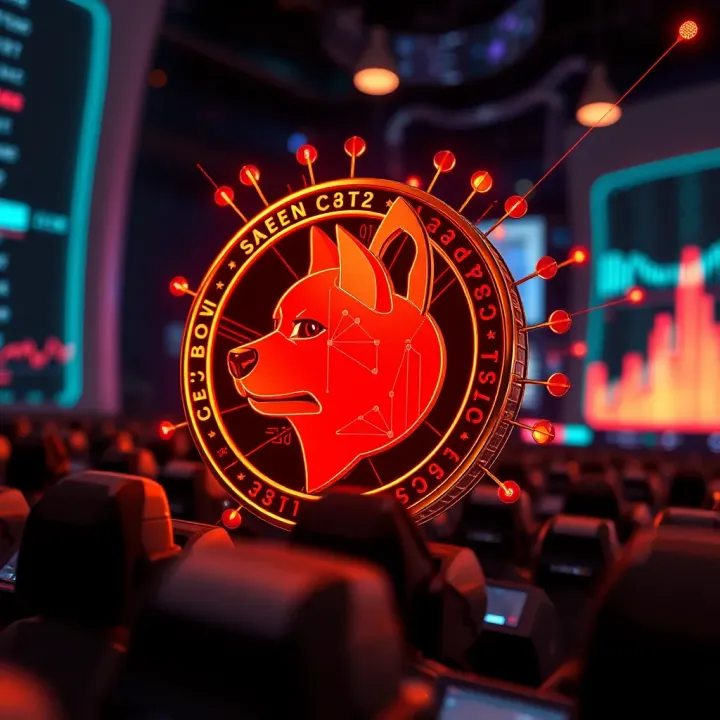
Security and scalability enhancements form the backbone for sustaining Dogecoin's growth. Improving network security prevents hack attempts and fraud, which are deterrents for institutional investors. Upgrades focused on scalability will help Dogecoin handle a larger number of transactions without congestion, supporting growing demand. Without such improvements, Dogecoin risks losing ground to other coins offering better technology and security.
The impact of global cryptocurrency trends cannot be ignored when evaluating Dogecoin’s outlook. Worldwide shifts like regulatory clampdowns, innovation in blockchain protocols, or the rise of central bank digital currencies influence investor confidence and market liquidity. For instance, an increased push towards sustainable mining practices globally could affect Dogecoin indirectly, as it shares mining mechanisms similar to Litecoin.
The role of retail and institutional investors is shaping Dogecoin’s market dynamics significantly. Retail investors, often attracted by social media hype and celebrity endorsements, drive short-term price spikes. Conversely, institutional interest, though limited, adds serious credibility and stabilises long-term prospects. In India, growing awareness and participation in crypto investments suggest retail support will stay robust, but gradual institutional involvement will be crucial for Dogecoin’s sustained relevance.
Volatility and trading patterns remain distinctive features of Dogecoin’s market behaviour. Its price often reacts sharply to social media trends, global news, or endorsements, making it highly volatile compared to some stable cryptocurrencies. Such volatility creates opportunities for day traders but poses risks for long-term holders. Observing these patterns helps investors decide when to enter or exit positions effectively, ensuring better risk management.
For investors, keeping an eye on both technology upgrades and shifting investor behaviour is key to navigating Dogecoin's volatile yet promising market in 2025.
Dogecoin's journey has faced several roadblocks, particularly due to regulatory uncertainties and stiff competition. Understanding these challenges is essential for investors and traders who want to gauge the token's future stability and potential returns. These hurdles affect not just Dogecoin’s price but also its practical usability and market confidence.
The global regulatory landscape for cryptocurrencies remains patchy and unpredictable. Countries vary widely in their approaches—some embrace digital currencies with clear frameworks, while others impose strict controls or outright bans. This inconsistent regulation creates uncertainty, especially for coins like Dogecoin that started as memes rather than formal financial instruments.
For investors, this means sudden policy changes could impact Dogecoin’s legality, trading, or use as payment. For example, recent regulations by the US Securities and Exchange Commission (SEC) have scrutinised various tokens on their classification as securities. India's Reserve Bank and Securities and Exchange Board (SEBI) are also actively shaping crypto policies, adding to the uncertainty Indian investors face.
Meme coins like Dogecoin attract specific regulatory concerns. Authorities worry about their volatility, lack of intrinsic value, and potential use in speculative trading rather than practical financial activity. These coins often lack strong technological underpinnings compared to established cryptocurrencies, making regulators sceptical about endorsing or protecting investors in such assets.
For instance, regulators in South Korea and China have tightened restrictions specifically on meme coins, citing risks of price manipulation and investor losses. This focus increases investor caution and could limit exchanges from listing or promoting Dogecoin prominently.
In India, policymakers are debating comprehensive crypto laws that might impose stricter compliance and tax norms. The planned crypto bill could require disclosure of holdings, limit certain transactions, and tighten KYC (Know Your Customer) norms. Abroad, several nations in the EU are moving towards standardised regulations, which could either curb or stabilise Dogecoin trading depending on compliance measures.
Dogecoin faces rising competition from newer cryptocurrencies with similar or enhanced functionalities. Coins such as Shiba Inu and SafeMoon have capitalised on the meme trend but aim to add more features like deflationary supply or decentralised finance (DeFi) integration, which may appeal more to investors seeking utility alongside community appeal.
These emerging coins challenge Dogecoin by offering faster transactions, improved smart contract capabilities, or better tokenomics. For example, tokens built on Ethereum or Binance Smart Chain often support DeFi applications, giving them a functional edge beyond mere popularity.
Technological and functional challenges also weigh down Dogecoin’s prospects. Its relatively simple network lacks advanced features like smart contracts or Layer 2 solutions common in rivals. This limits its ability to evolve and meet demands of modern digital finance, leading developers and investors to look elsewhere.
Moreover, Dogecoin's inflationary supply model, where new coins continue to be minted, can put downward pressure on price over time. Competitors often introduce capped supplies or burning mechanisms to maintain scarcity and support price.
Market share and user base issues compound these challenges. While Dogecoin enjoys a large, loyal following, it risks losing ground as traders move towards coins with stronger developer support, clearer roadmaps, and better integration into payment systems. This competition for attention and investment could slow Dogecoin’s growth or keep it confined to a niche crypto category.
Investors should carefully weigh these regulatory and competitive factors when considering Dogecoin, as they significantly influence its medium-to-long-term viability and potential returns.
Understanding Dogecoin’s future value and use cases helps investors and traders position themselves strategically in the rapidly evolving crypto market. Forecasting isn’t just about price predictions; it sheds light on real-world applications that could sustain or hinder Dogecoin’s growth beyond speculation. For financial analysts and stock brokers, this clarity informs portfolio adjustments and risk management.
Experts use a combination of technical analysis, on-chain metrics, and market sentiment to forecast Dogecoin’s price in 2025. While outright certainty is rare, predictions commonly range based on the coin’s adoption rate and broader crypto market trends. For instance, some analysts expect Dogecoin to trade between ₹10 and ₹20 by 2025, assuming stable demand and technological updates.
Several factors influence these price predictions. Increased adoption by merchants or integration with payment platforms can boost demand, pushing prices upward. Conversely, tightening regulations or a loss of investor interest might cause sharp declines. Notably, Dogecoin’s inherent volatility requires investors to stay alert and be ready to adjust positions swiftly.
Social media and celebrity endorsements continue to shape Dogecoin’s market mood strongly. Tweets by high-profile figures can lead to quick price swings—both rises and dips. This influence means that sentiment-driven spikes don’t always reflect the coin’s fundamental value. Traders should consider social media trends but also ground decisions in technical and fundamental analysis.
Social media hype can drive temporary demand but may mislead long-term investment perspectives.
Merchant acceptance of Dogecoin remains limited but is growing gradually, especially for microtransactions and online tipping. Platforms that support Dogecoin payments offer consumers faster and cheaper transfers compared to traditional methods, appealing particularly to younger demographics familiar with crypto.
Another key use is in the tipping culture online, where Dogecoin’s low transaction fees encourage small transfers to content creators or service providers. This microtransaction ecosystem helps reinforce Dogecoin’s role beyond mere speculation, embedding it in daily digital interactions.
Potential partnerships, such as collaborations with payment gateways or gaming platforms, could further bolster Dogecoin’s ecosystem. The coin’s community-driven nature often attracts grassroots projects, and formal alliances with fintech companies might enhance its usability and credibility in 2025. Tracking such alliances will provide insight into its practical growth prospects.
Practical adoption often stabilises a cryptocurrency’s value more than speculation alone.
By weighing these forecasts and growth areas together, investors get a clearer picture of Dogecoin’s place within the crypto world as 2025 approaches. This balance of price outlooks and use cases makes for a grounded investment analysis rather than mere guesswork.
Investing in Dogecoin in 2025 requires a clear understanding of its unique risks and opportunities within the volatile cryptocurrency market. This section offers practical advice to help investors navigate Dogecoin effectively, focusing on risk management, portfolio strategies, and safe market practices. By grasping these essentials, investors can make informed decisions aligned with their financial goals and risk appetite.
Dogecoin's price tends to be highly volatile compared to traditional assets, often swinging sharply due to speculative trading or social media trends. For instance, unexpected tweets or celebrity mentions can cause sudden spikes or drops. Investors should be prepared for this kind of price fluctuation and avoid putting in more than they can afford to lose. Recognising this volatility helps in setting realistic expectations and preventing rash decisions during market swings.
Relying solely on Dogecoin can increase portfolio risk given its unpredictable nature. It’s wiser to balance investments with other assets like blue-chip stocks, fixed deposits, or mutual funds. Diversification spreads risk and reduces the impact of any single asset’s downturn. Additionally, investors with a longer horizon, say three to five years, tend to weather short-term volatility better, allowing enough time for potential gains to materialise.
Identifying the right time to buy Dogecoin plays a crucial role in maximising returns. While timing the market perfectly is difficult, observing market trends such as price corrections after rallies can offer better entry points. For example, if Dogecoin prices surge due to hype but then pull back, that dip might present a buying opportunity. Using tools like technical analysis or keeping an eye on volume changes can aid in spotting these moments.
Selecting a trustworthy cryptocurrency exchange is vital for secure transactions. Popular platforms in India like WazirX, CoinDCX, and ZebPay provide regulated environments and smooth withdrawal options. Similarly, opting for hardware wallets or reputed mobile wallets such as Trust Wallet helps protect Dogecoin holdings from hacks. Avoid using lesser-known apps with minimal security measures as they increase the risk of loss.
The crypto space is rife with scams, including fake giveaways or phishing attacks targeting Dogecoin investors. Staying vigilant is essential—never share private keys or seed phrases, and verify the authenticity of sources before acting on investment advice. Joining active communities or forums with credible members can also help filter out misinformation and alert you to suspicious schemes.
"Invest only what you can afford to lose and always do your own research before investing in Dogecoin or any cryptocurrency."
Understanding the legal side is crucial. The Indian government treats cryptocurrency gains as taxable income, presently at a flat 30% tax rate plus cess, with no deduction of losses allowed except the cost price. Investors must maintain proper records of transactions and report them accurately while filing Income Tax Returns (ITR). Complying with regulations avoids penalties and legal troubles, ensuring a smooth investment journey.
Being cautious, strategic, and informed prepares investors well to handle Dogecoin's ups and downs in 2025. Practical risk management combined with safe trading practices secures not only your investment but peace of mind too.
🔍 Explore Reliance Industries' projected share price by 2025, analyzing financials, key growth factors, market trends, and expert predictions for investors.
📈 Discover Reliance Industries' 2025 share price outlook—analyzing trends, risks, and expert views to help investors navigate India's changing market.
📈 Explore the long-term outlook of Reliance Industries share price by 2030, factoring in market trends, company strategy, and economic risks for Indian investors.

Explore Reliance Industries' future growth, market trends, and tech moves in India 🌏. Get insights on strategies, challenges, and new opportunities ahead 📈.
Based on 14 reviews