
Quotex Minimum Deposit in INR: What Indian Traders Need to Know
Learn about Quotex minimum deposit in INR 🇮🇳, payment options, and smart tips to manage your initial trading funds wisely on this popular platform 💰
Edited By
Oliver Bennett
Exness is a well-known online trading platform that appeals to a broad range of traders, especially in India. One factor many look out for is the minimum deposit required to start trading. This threshold can heavily influence how accessible the platform is for novices and seasoned investors alike.
The minimum deposit at Exness depends on the account type a trader selects. For instance, the Standard account typically allows entry with as low as $1, which translates to roughly ₹80-₹90, making it accessible to most Indian retail traders. Meanwhile, accounts like the Pro or Zero require higher deposits, often in hundreds or thousands of dollars, which suits those with greater initial capital.
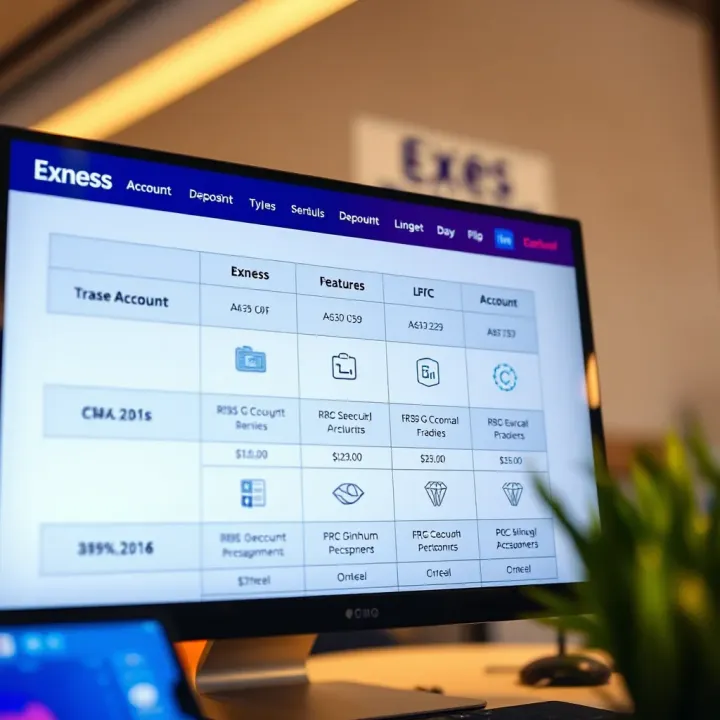
Understanding these minimum deposit requirements is essential. They affect your choice of account and the kind of trading strategies you can pursue effectively.
Several factors influence the minimum deposit at Exness, such as regulatory compliance, account features, and the currencies supported. Indian traders benefit from multiple deposit methods including UPI, net banking, and popular mobile wallets, which make the funding process smooth even for smaller amounts.
Note that lower minimum deposits do not always mean better trading conditions. Some accounts with a small entry barrier may come with wider spreads or fewer features. Hence, matching your deposit capacity with your trading goals and risk appetite is key.
In this article, we'll break down how Exness sets these minimum deposits, share practical insights for Indian traders, and offer tips on picking an account that balances affordability with trading potential. This helps you make an informed decision rather than choosing based solely on the minimum deposit figure.
Exness is a globally recognized online trading platform that appeals to a wide range of traders due to its transparent pricing and diverse account types. Understanding its platform structure and account options helps traders make informed decisions that align with their financial goals and risk tolerance. This overview sets the foundation for grasping how Exness's minimum deposit requirements impact your trading experience.
Founded in 2008, Exness has built a reputation for low spreads and fast execution, making it popular among both beginners and seasoned traders. Its platform supports multiple asset classes including forex, commodities, indices, and cryptocurrencies. With a user-friendly interface and reliable customer support, the platform caters well to Indian traders who seek a blend of flexibility and affordability.
The Standard Account is ideal for new traders or those with modest budgets. It requires a low minimum deposit, which allows easy market entry without overextending capital. Spreads are variable but generally tight, and there are no commission fees, making it a cost-effective choice for casual traders. For example, an Indian trader starting with ₹1,000 can easily test strategies without risking much upfront.
Traders looking for better trading conditions often opt for the Pro Account. This account provides tighter spreads and faster execution, crucial for active or day traders who rely on precision. It also supports higher leverage options, which can amplify gains but warrants careful risk management. For instance, a professional forex trader handling ₹5 lakh will appreciate the lower transaction costs on this account.
Designed for traders focusing on direct market access, the Zero Account offers zero spreads on many major currency pairs, although a small commission applies per trade. This setup benefits scalpers and high-frequency traders who require predictable costs and minimal slippage. Users typically start with a moderate deposit to access this account, balancing cost savings against upfront investment.
The Raw Spread Account provides spreads from as low as 0.0 pips with a commission charged per lot. This account type suits experienced traders prioritising cost transparency and market-level pricing. It is suitable for high-volume traders or those using automated trading systems where every pip counts. For example, an algorithmic trader operating with ₹10 lakh will find this account aligns with their strategy's tight margin requirements.
Choosing the right Exness account type depends largely on your trading style, budget, and expectations regarding costs. Familiarity with these options clarifies how minimum deposit requirements tie into overall trading strategy.
Understanding these account types is key to navigating Exness's deposit policies and optimising your trading approach for better outcomes.
Understanding the minimum deposit requirement is essential for traders choosing an account type on Exness. This minimum amount influences how easily one can start trading and affects capital allocation and risk management. Knowing these requirements upfront helps traders pick the account that fits their budget and trading goals.
Standard accounts on Exness typically have very low minimum deposit requirements, often starting from as little as $1. This low barrier makes it accessible for new and small-scale traders to enter the market without committing large sums upfront. For example, an Indian trader can start with a mere ₹75-₹80, depending on currency conversion rates, which is quite affordable compared to other brokers.
Though the deposit is low, the standard account provides essential trading features suitable for beginners, including access to multiple instruments and reasonable spreads. This account’s low minimum deposit supports gradual learning and strategy testing without risking hefty sums.

Professional accounts such as Pro, Zero, and Raw Spread require higher minimum deposits, usually ranging from $200 to $500 or more. These accounts offer tighter spreads, better execution speeds, and additional advanced trading features suited for experienced traders.
For instance, the Pro account typically demands a minimum deposit around $200 (about ₹15,000), attracting traders who intend to trade larger volumes with more sophisticated strategies. The higher deposit requirement reflects the enhanced trading conditions, ensuring traders have sufficient capital for effective position sizing and risk management.
Indian traders enjoy relatively low minimum deposit options, especially with Standard accounts starting at just $1. This is significant given the wide spectrum of investor profiles across India, from students and freshers to seasoned professionals. Such low limits remove a major entry barrier, encouraging more participation in forex and CFD trading.
Moreover, Exness offers multiple payment methods popular in India, including UPI, net banking, and mobile wallets, ensuring easy and quick deposits even with small sums. This convenience reinforces the practical advantages of low minimum deposits in the Indian context.
In contrast, in some regions like the European Union or North America, regulatory requirements and operational costs lead Exness to set higher minimum deposits for certain accounts. European traders often face stricter compliance norms, pushing minimum deposits for professional accounts to $200 or more.
Meanwhile, traders from Southeast Asia or Africa might find regional limits similar or even lower than India's, depending on currency and economic factors. These differences highlight how Exness adapts deposit policies to local markets, balancing accessibility with regulatory obligations.
Knowing these regional variations helps traders plan their initial investments better and choose the optimal account type for their location and budget.
Exness sets minimum deposit limits based on several key factors that affect both operational feasibility and trader needs. Understanding these factors helps you choose the right account and make informed trading decisions. The policies balance regulatory demands, account features, and payment flexibility to serve a wide range of investors, from novices to professionals.
Regulations in different countries influence the minimum deposit since Exness must comply with local financial laws. For instance, in India, the Securities and Exchange Board of India (SEBI) enforces strict anti-money laundering and KYC (Know Your Customer) norms. This means Exness must set minimum deposits that fit within these frameworks, preventing excessively low amounts that may complicate compliance. On the other hand, regions with lighter regulations may see a lower minimum deposit to encourage more traders. Regulatory compliance also safeguards traders by promoting transparency and reducing fraud risks.
Exness offers various account types, each designed with different trading features impacting minimum deposits. For example, Standard accounts usually have a low minimum deposit, suitable for beginners testing the market. In contrast, Pro or Raw Spread accounts provide tighter spreads and advanced tools but require larger deposits due to increased service costs and risk exposure. These accounts offer better execution speed and lower slippage, attracting high-frequency or professional traders who can afford higher stakes. The minimum deposit thus reflects the account’s trading conditions, balancing accessibility against premium benefits.
The variety of payment methods and currencies supported also affects minimum deposit limits. Exness accepts deposits through UPI, net banking, mobile wallets like Paytm, and international cards in India, each with differing transaction fees and processing times. Some methods may carry higher processing costs, which Exness offsets by setting a minimum threshold to remain viable. Moreover, currency conversion rates and volatility play a role—traders depositing in INR might see different minimums compared to those using USD or EUR accounts due to forex fluctuations. Offering multiple payment options helps traders fund accounts conveniently, but the minimum deposit reflects operational costs and currency risks.
The minimum deposit policy at Exness isn’t arbitrary; it results from careful consideration of regulations, account types, and payment logistics. Aligning your trading goals with these factors ensures smoother trading experience and better capital management.
By weighing these factors, you can better decide which Exness account fits your budget and strategy, avoiding surprises from hidden fees or restrictive rules. This knowledge is especially useful for traders in India navigating local regulations and payment options while seeking the appropriate trading conditions.
Minimum deposit requirements at Exness directly influence how traders approach their investments and manage risks. Understanding these thresholds helps traders select the right account and plan their strategy without stretching their finances.
For those new to trading, starting with a low minimum deposit reduces the financial pressure. Exness allows beginners to begin with as little as $1 on some accounts, which is particularly helpful for risk management. This way, new traders can test strategies without committing large sums, limiting potential losses while gaining experience. For example, a fresh trader from Delhi might deposit ₹7,500 (approx. $100) initially, enabling them to explore various instruments like currency pairs or commodities with manageable risk.
Starting small means you can learn the ropes without risking the roof over your head.
Exness accommodates a broad spectrum of budgets. Small investors can opt for Standard accounts with low deposits, while those with deeper pockets might prefer Pro or Raw Spread accounts, which need higher minimum deposits but offer tighter spreads and better trading conditions. For instance, a retail investor in Bengaluru with ₹2 lakh to invest can consider the Pro account to optimise costs, while a student trader with ₹10,000 can start with a Standard account and scale up over time.
Understanding this fit helps traders avoid overcommitting or missing out on appropriate features. Not every trader needs the cheapest option or the most advanced account; it depends on individual goals and capital availability.
Even if you start with a small deposit, you can still maximise your trading potential with careful planning:
Focus on high-liquidity assets: Currency pairs like USD/INR or EUR/USD tend to have tighter spreads, reducing trading costs.
Use leverage prudently: Exness offers flexible leverage; employing conservative levels helps avoid heavy losses.
Stick to a trading plan: Setting clear entry and exit points prevents emotional decisions that harm small budgets.
Utilise demo accounts: Practice strategies risk-free before using real funds.
By following these steps, traders can stretch limited capital further and build confidence gradually.
In essence, minimum deposit requirements set by Exness shape traders’ strategic choices and risk appetite. Knowing how to align these deposits with personal budgets and objectives ensures better trading outcomes over time.
Handling deposits and withdrawals on Exness is a vital part of trading smoothly. The process needs to be quick, reliable, and hassle-free, especially for traders operating with tight budgets or those who want to capitalise on market movements efficiently. Knowing the available payment methods, how withdrawals work, and common pitfalls can help you avoid delays and ensure timely access to funds.
UPI (Unified Payments Interface) and net banking enjoy widespread use across India, thanks to their convenience and instant processing times. Many Indian traders appreciate funding their Exness accounts via UPI apps like Google Pay, PhonePe, or Paytm because these platforms connect seamlessly with bank accounts, making transactions swift and secure. For example, depositing ₹5,000 via UPI usually reflects in the trading account within minutes, letting you start trading without waiting.
Net banking remains another popular route for deposits. If you prefer not to handle third-party apps, logging into your bank’s net banking portal allows direct transfers via NEFT or RTGS. While net banking transfers are dependable, they might take a bit longer during bank working hours or due to interbank settlement times.
Mobile wallets such as Paytm, MobiKwik, and Amazon Pay are gaining ground among Indian traders for their ease of use and mobile-first approach. Funding your Exness account through these wallets often means simpler navigation, especially for those who use smartphones predominantly. Additionally, wallets sometimes offer cashback or discounts, which is a welcome bonus for small investors.
However, keep in mind that mobile wallets typically have deposit limits and may incur minor charges for large amounts. Always check the wallet’s terms before transferring to avoid surprises.
For larger deposits, bank transfers provide a safe and conventional option. Traders can opt for NEFT, RTGS, or IMPS depending on the amount and urgency. Bank transfers can handle big sums like ₹1,00,000 or more without hassle, which suits serious investors.
That said, bank transfer timings vary by bank and transfer window. RTGS operates only during banking hours and caters to high-value transactions, while NEFT runs in batches throughout the day. IMPS guarantees instant transfers but has an upper limit, usually ₹2 lakh per transaction.
Withdrawing funds from Exness is as critical as depositing. Typically, the withdrawal process mimics the deposit method used, which ensures security and compliance. Traders should note the minimum withdrawal limits, often around ₹1,000, to plan their cash flow.
Exness processes withdrawal requests quickly, often within 24 hours, but bank holidays or payment provider restrictions can cause delays. For example, withdrawing via UPI or wallets is usually faster than bank transfers.
Some traders face problems like deposit reversals, failed transactions, or withdrawal refusals. These often arise due to mismatched payment details, non-compliance with KYC (Know Your Customer) norms, or bank restrictions.
To sidestep such issues:
Always double-check account details before any transaction.
Complete full KYC verification on Exness early.
Use the same payment method and bank account for deposits and withdrawals.
Avoid third-party payments to comply with regulations.
Remember, following these steps helps prevent unnecessary delays and keeps your funds safe. A smooth deposit and withdrawal system strengthens your trading experience and allows you to focus on making informed decisions.
Understanding these deposit and withdrawal intricacies equips you better to manage Exness trading accounts and plan trades effectively based on fund availability.
Learn about Quotex minimum deposit in INR 🇮🇳, payment options, and smart tips to manage your initial trading funds wisely on this popular platform 💰
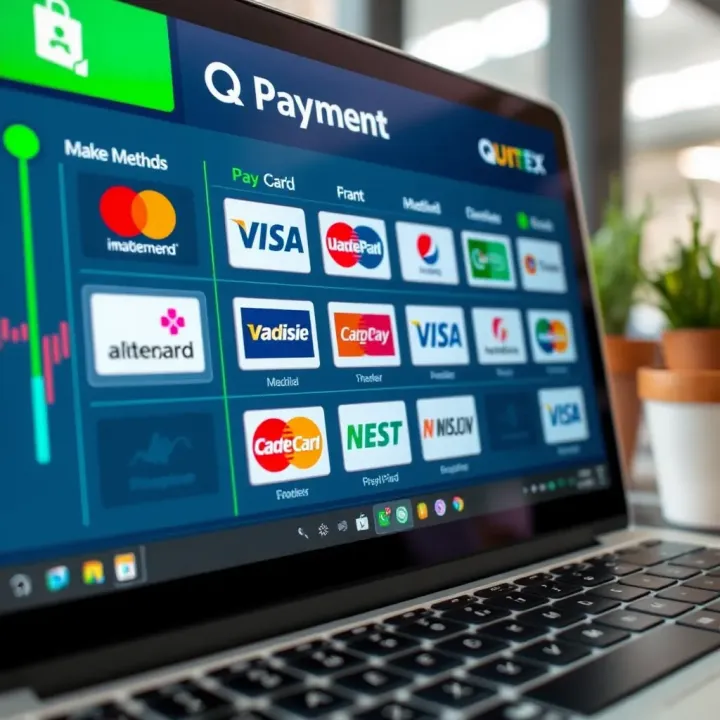
Learn about Quotex's minimum deposit rules for Indian traders 💰. Discover payment options, safety tips, and smart investment strategies to start trading right.

Explore the Quotex platform 🇮🇳 with a detailed guide for Indian traders! Learn about account types, tools, security 🔒, and support for smarter online trading.
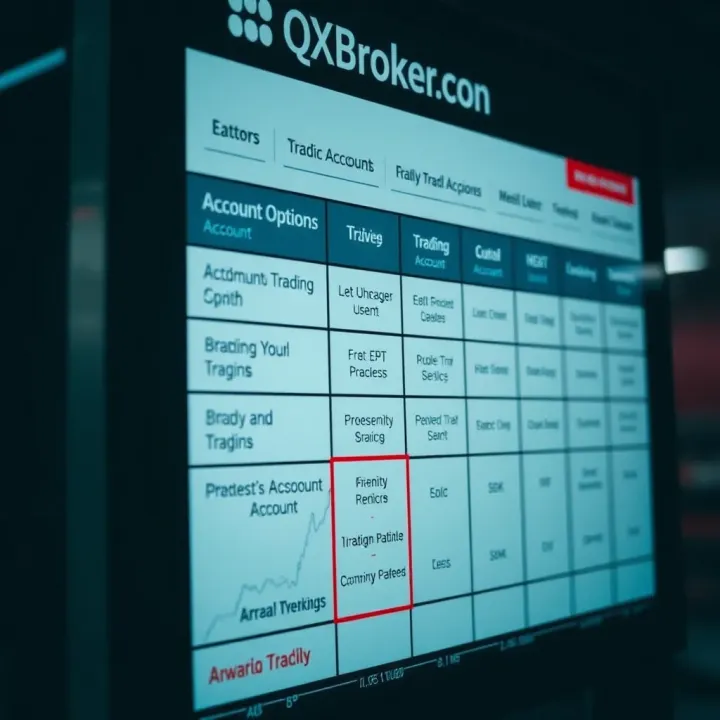
Explore QXBroker.con for Indian traders 📊: detailed insights on accounts, platforms, fees, regulations, and support to help you trade wisely and securely.
Based on 7 reviews