
Quotex Trading Hours for Indian Traders Explained
⏰ Discover Quotex trading hours for India 🇮🇳, learn how time zones impact your trades, and get tips to time your market moves effectively! 📈
Edited By
Ethan Porter
Exness is a popular trading platform known for its flexibility in trading various financial instruments, including forex, commodities, and indices. For traders based in India, understanding Exness trading hours in relation to Indian Standard Time (IST) is essential to maximise trading opportunities and manage risk effectively.
Trading on Exness operates almost round the clock, five days a week, but the exact hours depend on the underlying financial market. For forex trading, the market opens at 12:30 am IST on Monday and closes at 11:30 pm IST on Friday. This aligns with global forex markets but requires converting Exness' standard GMT hours to IST, which is GMT +5:30.
Note that Exness does not operate on weekends (Saturday and Sunday), reflecting global market closures.
Here’s a quick breakdown of typical trading sessions in IST:
Asian session: 5:30 am to 2:30 pm
European session: 12:30 pm to 9:30 pm
US session: 6:30 pm to 3:30 am (next day)
These time slots vary slightly depending on daylight saving changes in other countries, which India does not observe. Hence, it helps Indian traders to keep track of these shifts to avoid missing crucial trading windows.
Understanding these timings lets traders plan entries and exits better, particularly those using intraday or swing trading strategies. For example, a day trader in Mumbai focusing on the European session will target trades between 12:30 pm and 9:30 pm IST.
Additionally, it’s key to remember that Exness offers specific instruments with their own trading hours. Commodities, indices, and cryptocurrencies on Exness might have different schedules, so reviewing instrument-specific times on the platform is a must.
In summary, mastering Exness trading hours relative to IST empowers Indian traders to time trades efficiently, attend important market openings, and minimise the risk associated with trading outside active market hours.
Understanding Exness trading hours is essential for Indian traders as it shapes when and how you can engage with different financial markets. The platform's trading schedule depends on several global and local factors, affecting asset availability and execution hours.
Knowing the right trading hours helps you plan your trades smartly, avoid illiquid periods, and catch high volatility moments that offer better profit potential. For example, trading forex pairs like EUR/USD aligns with London and New York market hours, so being clear on when these open and close in Indian Standard Time (IST) matters.
Exness trading hours are largely tied to global financial centres because the markets it offers access to depend on their operational timings. For instance, forex trading is active during the London, New York, Tokyo, and Sydney sessions as these cities host major currency markets. These sessions influence liquidity and volatility, which in turn affects trade execution.
For Indian traders, recognising that these main sessions happen in different time zones helps avoid confusion. The London session starts around 1:30 pm IST and the New York session opens around 7:30 pm IST. Keeping track of these sessions allows traders to focus trading efforts during periods of high activity.
Trading hours on Exness also vary by asset class. Forex pairs usually trade 24 hours on weekdays, but commodities like gold and oil have specific market hours aligned with exchanges such as COMEX or NYMEX. Stocks and indices also follow their respective exchanges' hours, for example, the NASDAQ market opens at 7:30 pm IST.
This means if you trade diverse assets, you need to know the exact timings to avoid trying to place trades when markets are closed. For example, cryptocurrency trading may be available 24/7 on Exness, unlike traditional assets, offering more flexibility.
Exness trading follows typical market closures on weekends. Most global markets shut down from Friday evening and reopen Monday morning in their local time zones, which translates to Saturday-Sunday downtime in IST. Indian traders need to be aware of these breaks to avoid attempting trades during these hours.
Additionally, global public holidays in major financial centres pause certain markets. Indian national holidays do not always affect trading hours unless they overlap with international market holidays that Exness follows. For instance, Christmas Day closure in New York markets means some assets won’t trade even if it’s a working day in India.
Exness servers typically operate on GMT or GMT+2 time zones, which differ from IST (GMT+5:30). This server time sets the trading schedule on the platform, including market opens, closes, and maintenance timings.
For example, if the server clock shows 3:00 pm GMT, it would correspond to 8:30 pm IST. This difference often confuses traders if they do not adjust their trading plans according to IST.
Converting server time to IST requires adding or subtracting the appropriate offset. Since Exness generally uses GMT or GMT+2, Indian traders add 5 hours and 30 minutes to GMT and 3 hours and 30 minutes to GMT+2 to match local timings.
Practically, a schedule showing a market opening at 9:00 am GMT+2 means it opens at 12:30 pm IST. Using digital clocks or world time converters can help ensure accuracy and avoid missed trading opportunities.
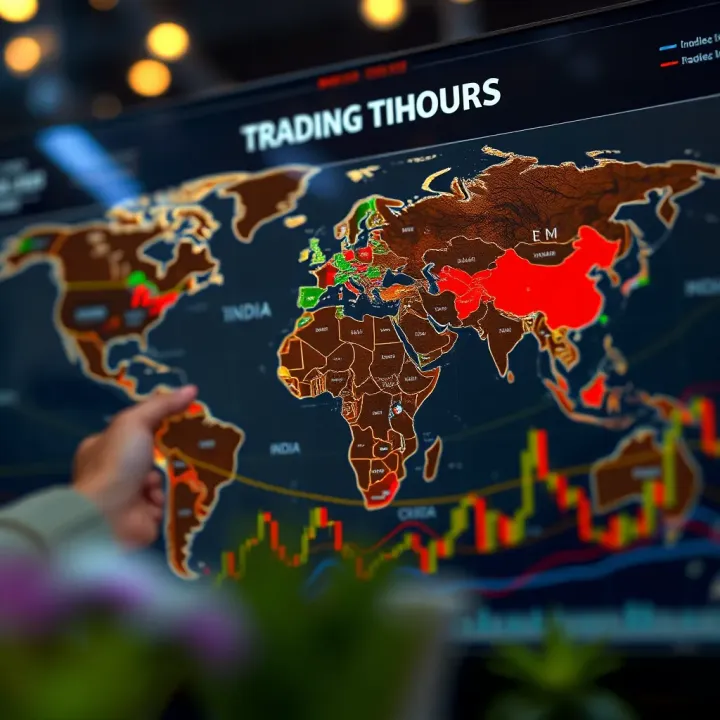
Misunderstanding server time versus IST can lead to placing orders outside market hours, resulting in rejection or delays. Since orders execute only during active market sessions, knowing exact time conversions helps you avoid frustration and potential losses.
Also, maintenance or server downtime scheduled in server time might fall during inconvenient Indian hours. Staying aware of this helps you plan trades and protect open positions effectively.
Clear knowledge of Exness trading hours, global session times, and server time differences equips Indian traders to plan better, react faster, and avoid common timing errors that eat into profits.
Understanding the trading schedule is vital for Indian investors using Exness, as it helps align trades with market timings and maximises trading opportunities. Since Exness operates on global asset markets, knowing the daily hours in Indian Standard Time (IST) ensures you are trading during active sessions. This avoids missed chances and reduces exposure to low liquidity periods, which can affect trade execution and pricing.
The forex market operates 24 hours from Monday to Friday, but active trading sessions vary. According to IST, the Asian session opens around 5:30 am, coinciding with the Tokyo and Singapore markets, and runs until afternoon. The European session kicks off at 12:30 pm and overlaps briefly with the Asian close, followed by the US session from 6:30 pm to 2:30 am IST.
For example, the overlap between London and New York sessions (6:30 pm to 10:30 pm IST) often brings higher volatility and liquidity, providing better trading opportunities. As an Indian trader, focusing on these peak periods can improve trade execution and profit potential.
Trading hours for commodities and stocks on Exness are linked to their respective exchanges. Indian investors should note that commodity markets like gold and crude oil generally follow global timings. Gold trading typically starts at 6:00 pm IST (New York open) and goes up to early morning hours.
Stock trading times vary based on the underlying exchange – for example, US stock indices like the S&P 500 open from 9:30 pm to 4:00 am IST. Keeping track of these sessions is crucial to avoid placing trades outside active hours, which might result in slippage or limited order fulfilment.
Unlike traditional markets, cryptocurrencies trade 24/7 on Exness. This round-the-clock availability suits Indian investors who prefer flexibility outside regular trading hours. However, remember that liquidity and volatility can fluctuate; peak trading volumes often occur during US and European business hours.
Traders should be wary of weekend volatility spikes common in crypto markets, which can lead to wider spreads. By aligning crypto trades with global active hours, you can benefit from tighter spreads and better price discovery.
Indian public holidays do not directly close Exness trading platforms, as these are aligned with global markets. However, on days when multiple markets observe holidays—such as Christmas or Diwali overlapping with global observances—trading volumes on certain instruments might dip.
For instance, during Diwali, the Indian stock market remains closed while other global markets operate as usual. An Indian trader investing in forex or commodities via Exness can still trade but should watch for thinner liquidity or erratic price moves due to reduced participation.
Sometimes, Exness traders in India face challenges when Indian holidays coincide with market closures in key foreign exchanges. This can temporarily shorten trading sessions or pause specific asset classes. Keeping an eye on exchange calendars is helpful.
For example, if the NYSE closes for a holiday such as Thanksgiving, US stocks and related indices will not be tradable. Anticipating these overlaps helps traders adjust strategies, avoid entering trades when the market is inactive, and manage risk efficiently.
Being aware of trading schedules and holiday effects helps Indian investors avoid surprises. Staying aligned with active market hours and observing holiday calendars enhances decision-making and trade timing on Exness.
By aligning your trading approach with the Exness schedule in IST and factoring in Indian and global holidays, you can better manage trades, capitalise on market peaks, and minimise risks associated with low liquidity or market closures.
Trading on Exness from India requires understanding the best hours to make your moves. Market timings fluctuate according to global and local factors, so choosing the right slots can directly impact your profit and risk. Additionally, setting alerts and managing orders smartly ensures you don’t miss crucial opportunities or get caught in volatile phases unexpectedly.
High volatility periods in IST to watch
Forex and commodity markets show sharp price movements during certain hours. For Indian traders operating in Indian Standard Time (IST), key volatility windows often fall when London and New York markets are active simultaneously—roughly between 6:30 pm and 10:30 pm IST. During these hours, currency pairs like EUR/USD or GBP/USD behave unpredictably but offer potential for quick gains. Traders should approach these periods with clear strategies since higher price swings mean both higher reward and risk.
Trading during global market overlaps
Overlap between major financial centres creates more trading volume and liquidity, which benefits traders. The London-New York overlap is the best example, but even the Tokyo-London overlap (roughly 2:30 pm to 5:30 pm IST) can offer good conditions for trading certain assets. Indian investors can leverage these overlaps to enter or exit positions more efficiently. For instance, stock indices like Dow Jones or FTSE respond actively during these times, providing ample opportunities if timed well.
Avoiding low liquidity hours
Late night to early morning IST hours, say between 11:30 pm to 3:30 am, generally see low trading volumes. Thin liquidity during these windows leads to wider spreads and increased slippage. For Indian traders using Exness, avoiding placing trades during these hours is often wise, especially if executing short-term or intraday strategies. Staying away from these quiet periods prevents unexpected losses and ensures smoother trade execution.
Using mobile apps for timing updates
Exness and other trading platforms provide mobile apps that send timely alerts on market opening, closing, and significant timing changes. Indian traders should enable push notifications to stay informed wherever they are, avoiding missed trades due to timing confusion. For example, if a commodity market opens early on a particular day due to a global holiday, the app alert will keep you ready to act.
Managing orders around market open and close
Placing or adjusting orders near market opening or closing moments requires caution. Price gaps and sudden volatility can disrupt pending orders or cause slippage. Indian traders might set alerts to monitor these periods closely and decide whether to hold off executing large trades or adjust stop-loss levels. Thoughtful order management during these critical times can protect your capital and keep your strategy on track.
Timely trading and staying alert on market hours can make the difference between profit and loss. Using Exness effectively from India means combining knowledge of local time zones with global market rhythms.
By paying attention to these tips, you can refine your trading schedule to match when markets are most favourable, and tools like alerts ensure you never feel out of sync with the fast-moving financial world.
Understanding the factors that affect Exness trading hours is essential for Indian traders to plan their activities efficiently. The trading hours are not fixed permanently; they vary due to external influences like daylight saving and internal ones like broker maintenance schedules. Being aware of these variations helps traders avoid missing profitable windows or encountering unexpected trading halts.
Some major financial centres, like London and New York, observe daylight saving time (DST), which means their clocks move forward or backward by an hour at certain times of the year. This shift affects the trading hours of global markets. Since India follows Indian Standard Time (IST) without any DST adjustments, the time difference between India and these markets changes. For instance, when London moves clocks forward in March, the time gap with IST reduces from 5.5 hours to 4.5 hours. Consequently, the opening and closing times of markets accessible through Exness shift.
Such changes directly impact Indian traders focusing on forex pairs involving GBP or USD or commodities linked to these markets. If you’re used to trading London session overlaps between 3:30 pm and 11:30 pm IST, DST will shift this window by an hour. Without adjusting your schedule, you might miss key market moves or trade when liquidity is low.
Indian traders need to modify their trading timetables during DST periods. Regularly checking the calendar for when daylight saving begins and ends in relevant markets is a simple yet effective practice. Adjust your trading hours accordingly, ensuring you open and close positions during optimal market activity.
Exness, like other brokers, performs scheduled server maintenance to keep trading smooth and secure. These maintenance periods usually happen during low trading hours, often late at night or early morning IST. Such downtimes mean traders cannot open new positions or execute orders until maintenance completes. For example, a regular maintenance window might be from 2 am to 5 am IST on weekends, which typically doesn’t affect active trading but still requires awareness.
Unexpected trading halts can also occur due to technical glitches, regulatory updates, or urgent system fixes. Exness generally alerts its clients through notifications or emails. These halts can last from a few minutes to several hours, depending on the issue. If you are trading during these times, your orders might be delayed, rejected, or automatically closed.
Staying alert to broker notifications and planning trades outside known maintenance windows reduces risks tied to these interruptions. Regularly reviewing announcements on the Exness platform ensures you are prepared for any sudden changes.
Being aware of these factors—daylight saving time influences abroad and broker-specific adjustments—helps you trade smarter on Exness. Understanding when markets open and close relative to IST and monitoring broker schedules lets you optimise your trading strategy, reduce surprises, and improve overall outcomes.
Staying current with Exness trading hours is essential for traders in India to avoid mis-timed trades and seize market opportunities. Trading hours can shift due to factors like daylight saving changes elsewhere or broker maintenance. Therefore, reliable information sources help Indian traders plan effectively, optimise entry and exit points, and minimise risks related to unavailable markets.
Exness maintains an updated schedule on its official website and mobile app, reflecting real-time changes in trading hours. Indian traders can verify daily trading sessions for forex, commodities, stocks, and cryptocurrencies according to Indian Standard Time (IST). This helps prevent confusion caused by the broker’s server time differences or daylight saving adjustments abroad. For instance, if the London Forex market shifts its opening by one hour due to British Summer Time, Exness’s official resources reflect this change promptly.
Exness’s app offers user-friendly interfaces with notifications and calendar integrations, enabling traders to quickly glance at market timings on their mobiles. This is particularly handy during hectic trading sessions when timing is critical.
Subscribers can receive email and SMS alerts directly from Exness about changes in trading hours or unexpected disruptions. This service is practical for Indian traders who might not constantly monitor the app or website. For example, if server maintenance is scheduled during usual trading hours, an SMS alert can notify the trader well in advance to adjust orders accordingly.
Such alerts also cover public holiday impacts and major economic events affecting global markets. Receiving updates promptly aids Indian investors in avoiding slips due to unanticipated market closures.
Active participation in Exness user forums and social media groups offers real-life insights from fellow Indian traders and global users. These platforms provide early warnings on sudden market behaviour, unannounced trading halts, or broker-related technical issues impacting trading hours.
For example, a trader in Bengaluru might spot a timely post about delayed market openings in the US session, helping others recalibrate their strategies. Besides, community discussions help clear doubts around time conversions or unusual schedule changes.
When doubts linger or urgent clarity is needed, contacting Exness customer support directly via chat, phone, or email remains the most dependable option. Indian traders should use official support channels to verify any ambiguous timing details.
Customer care representatives can confirm the exact opening or closing times for specific asset classes in IST and provide guidance during exceptional events like unscheduled server downtime. Quick responses here can save considerable time and prevent potential losses from mistimed trading.
Keeping in touch with official Exness updates, engaging with community inputs, and contacting customer care form a comprehensive strategy to stay alert on trading hours. For Indian traders, this awareness ensures seamless operations aligned with the global markets’ pulse.
⏰ Discover Quotex trading hours for India 🇮🇳, learn how time zones impact your trades, and get tips to time your market moves effectively! 📈
🔍 Explore the Quotex trading course tailored for Indian traders! Learn platform features, binary options strategies, and risk management tips today.
Explore real money trading apps in India 🤑 Learn how they work, benefits, risks, legal tips ⚖️ & security measures to trade or play safely! 📱

Explore top RBI-authorized trading apps in India 📱. Learn about their features, security, and how to pick the best platform for safe investing 💹.
Based on 9 reviews