
Understanding RBI Registered Forex Brokers in India
Learn how RBI registered forex brokers in India ensure safe trading, comply with regulations, and what to watch for to trade legally and confidently 📊🇮🇳
Edited By
Isabella Turner
Understanding the London forex session timing in India is vital for traders who want to make the most of market opportunities during this active period. This session, one of the most volatile and liquid, often sets the tone for price movements globally. Knowing exactly when it starts and ends in Indian Standard Time (IST) helps Indian traders plan their strategies effectively.
The London forex session opens at 8:00 am GMT and closes at 4:00 pm GMT. Converted to IST, this translates to 1:30 pm to 9:30 pm. This period overlaps with the end of the Asian trading session and the start of the New York session, creating high liquidity and wider price movements, which many traders aim to exploit.
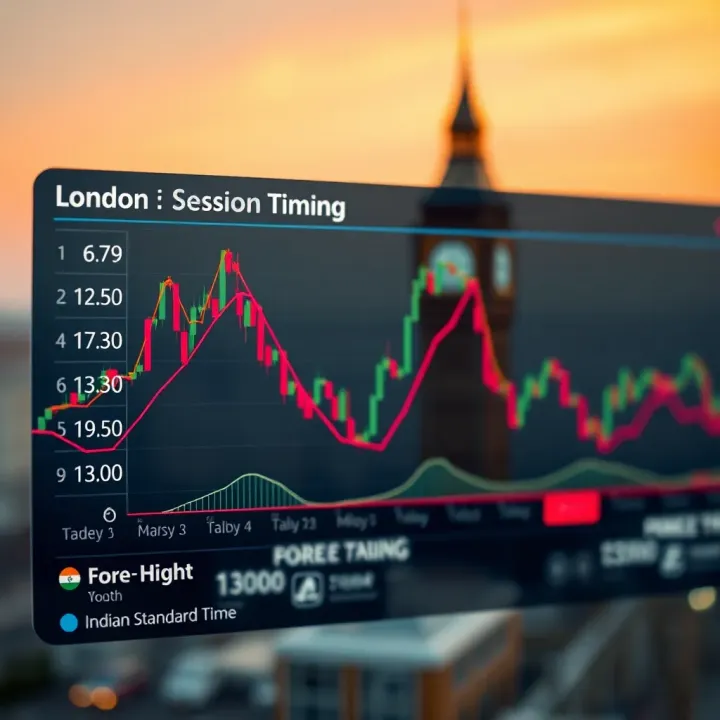
The London session sees nearly 35–40% of global forex transactions, making it the busiest trading period, especially involving major currency pairs like EUR/USD, GBP/USD, and USD/JPY.
For Indian traders, the London session timing means active trading typically begins in the afternoon and stretches into the night. This can impact your daily schedule but also offers chances to trade when markets are most dynamic. For instance, volatility often spikes around 3:30 pm IST when both London and New York sessions overlap.
Here are some things to keep in mind:
The overlapping period between London and New York sessions (5:30 pm to 9:30 pm IST) usually presents the highest trading volumes.
Currency pairs involving GBP and EUR tend to react strongly during this time.
Traders should be cautious about sudden news announcements from Europe, which can cause sharp market swings.
Indian traders familiar with this timing can schedule trades to enter or exit positions when liquidity is highest, reducing spreads and slippage. They can also use this to manage risk by anticipating when unexpected moves are more likely.
Knowing the London forex session time in India is not only about clock-watching but also about understanding market behaviour tied to global economic events and trading patterns. Successful traders use this insight to time their strategy and maximise returns.
Knowing the exact timing of the London forex session in Indian Standard Time (IST) helps Indian traders plan their trades effectively. Since forex operates 24/7 globally, certain sessions offer higher liquidity and volatility, with London being a prime example. Aligning trading hours with IST makes it easier to spot when market activity peaks and avoid times of low volume, enhancing opportunities for profit.
The London forex session officially opens at 8 am and closes at 4 pm London local time. For Indian traders, this corresponds roughly to 12:30 pm to 8:30 pm IST during the UK’s standard time. This window is when the largest volume of trades occurs, particularly involving major currency pairs like EUR/USD and GBP/USD.
Converting London time to IST involves adding 5 hours and 30 minutes, as IST is UTC+5:30 and London is UTC+0 during standard time. For instance, if a trader in India wants to catch the London opening bell at 8 am GMT, they need to be ready by 12:30 pm IST. This simple conversion ensures Indian traders don’t miss critical market moves.
The UK uses daylight saving time (DST), shifting clocks forward by one hour typically from late March to late October. This changes the London session to 9 am–5 pm BST (British Summer Time), which corresponds to 1:30 pm–9:30 pm IST. Indian Standard Time, however, remains fixed throughout the year, so traders must adjust their clocks accordingly.
This shift means Indian traders joining the London session during British summer need to plan for a start time an hour later than usual on their local clock. Missing this adjustment may lead to trading outside the session’s active period, possibly reducing returns.
Since India does not observe daylight saving time, its time zone stays constant. UK’s clock changes twice a year impact trading timings. Indian traders should mark the dates when the UK sets clocks forward or back and adjust their trading schedule. For example, when UK moves to BST, the London session begins at 1:30 pm IST, not 12:30 pm.
During the summer months, the London session shifts later by an hour, meaning active trading hours in IST run from early afternoon to late evening. In winter months, the session starts earlier by an hour, generally from 12:30 pm IST. Indian traders might find summer trading overlaps with lunchtime or evening activities, so planning becomes crucial.
Keeping an eye on London’s daylight saving changes ensures you trade during peak hours, maximising liquidity and minimising risks related to low-volume periods.
By syncing trading times with the London forex session in IST, Indian traders can tap into the session’s high liquidity and volatility, making better decisions based on market rhythm.
The London forex session stands out as one of the most active and influential trading periods globally. For Indian traders, understanding its characteristics helps in timing trades better and exploiting market movements effectively. This session's traits, such as liquidity and overlaps with other key sessions, shape trading strategies that can be quite profitable.

During the London session, trading volumes surge significantly. Major currency pairs like GBP/USD, EUR/USD, and USD/CHF see heavy activity because London acts as a central hub connecting the Asian and American markets. For Indian traders, this means access to deep liquidity pools, allowing large orders without causing excessive price swings.
This liquidity concentration also means spreads tend to tighten, which reduces trading costs. For example, scalpers and day traders find this session favourable because they can enter and exit positions quickly without facing huge spreads. Liquidity is highest during the first few hours after the session opens, making it a prime time for entering volatile trades.
Liquidity spikes often lead to sharp market moves and increased volatility. Such patterns are typical around major UK economic announcements or when the session overlaps with New York’s opening. These volatility bursts provide good opportunities for breakout traders who rely on price momentum to capture quick gains.
However, volatility also brings higher risk. Traders need to be prepared with strict risk management tools. Monitoring volatility indicators or stop-loss orders helps avoid sharp losses during sudden price swings.
The London session overlaps with the tail end of the Asian session for around an hour or so. This overlap creates a transition phase where liquidity starts to build. Currency pairs like USD/JPY gain momentum here due to Asian market activity winding down and London participants stepping in. Indian traders can catch emerging trends early by watching this period closely.
More importantly, the London session overlaps substantially with the New York session in the afternoon IST hours. This is when the forex market reaches peak liquidity and volatility since Europe and the US markets are both active. GBP/USD and EUR/USD pairs often show strong directional moves during this overlap.
These overlaps offer expanded trading possibilities. For example, a trader spotting a breakout during the London-New York overlap can ride a sustained move backed by two major markets. Indian traders benefit from such overlaps by timing trades during these windows to avoid periods of low market activity, which come with wider spreads and less predictable price action.
Understanding session overlaps helps you identify when the market is most 'alive', which is crucial for timing entries and exits in forex trading.
In short, the London session's high liquidity, coupled with its strategic overlaps, makes it a key period for Indian forex traders aiming for efficient executions and timely reactions to market dynamics.
The London forex session holds significant importance for Indian traders, primarily because of its timing and market dynamics. It aligns well with Indian Standard Time (IST), making it accessible for traders who engage during the daytime. Moreover, London is one of the major financial centres influencing global currency movements, so trading during its active hours offers higher liquidity and volatility, which many Indian traders find advantageous.
The London session typically starts around 3:30 pm IST and continues until 12:30 am IST. This timing fits conveniently after the Indian stock market hours and overlaps with post-work hours for many individuals. Traders can actively participate without disrupting their regular job routines. For instance, an office-goer in Mumbai can log in after work and trade during peak London market hours, capturing more trading opportunities than during quieter sessions.
During the London session, pairs like GBP/USD, EUR/USD, and USD/CHF experience the highest trading volumes. This increased liquidity translates into tighter spreads and better price execution for Indian traders. For example, an Indian trader dealing in GBP/INR via USD cross rates benefits from the London session's liquidity, making it easier to enter and exit positions without much slippage, which is especially crucial for day traders and scalpers.
The London session is well known for sudden spikes in volatility, especially during the market open and around major economic announcements. Traders in India use strategies like breakout trading or scalping during this time to capitalise on rapid price movements. A trader might set buy or sell orders just outside consolidation zones, hoping to catch the momentum as the market moves sharply in a given direction. This session's volatility enhances profit potential but demands careful risk management.
While volatility creates profits, it also raises risk. Indian traders often struggle with sudden market swings during the London session. Effective risk management becomes essential to protect capital. This includes setting stop-loss orders and avoiding excessive leverage. For example, a trader ignoring stop-loss becomes exposed to unexpected losses if a currency pair gaps due to overnight events in Europe.
Economic data and political events from the UK and Europe released during the London session can cause rapid price changes. Indian traders must keep an eye on economic calendars to avoid trading blindly during these periods. Missing announcements like Bank of England interest rate decisions or UK GDP figures can lead to unexpected volatility. Planning trades around such news events helps minimise risks.
Access to reliable brokers and platforms that support trading in IST timezone with minimal latency is critical for Indian traders focused on the London session. Some brokers cater specifically to Indian clients, offering customer service during the London session hours and faster execution speeds. Picking a broker with transparent charges and good regulatory standing ensures smoother trading, which is especially beneficial for high-frequency and intraday traders.
Trading the London forex session from India offers unique advantages but requires careful timing, risk management, and informed choices about platforms. Traders who master these elements gain a competitive edge in the fast-moving forex market.
Trading during the London forex session demands strategies that align well with its characteristic volatility and liquidity. London marks one of the busiest forex hubs globally, so the right tactics can help traders seize opportunities efficiently while managing risks effectively.
Breakout trading during London open focuses on capitalising on the sharp price movements that typically occur when the London market kicks off. This strategy involves identifying key price levels just before the session starts and taking positions as prices break through these levels. For example, if the EUR/USD pair consolidates overnight and suddenly breaches a resistance level at London open (around 2:30 pm IST), traders can enter a long position anticipating sustained momentum. The increased market participation at this time often fuels such breakouts, offering clear profit potential.
Scalping strategies based on high liquidity exploit the fast-paced nature of the London session, especially during peak hours overlapping with New York. Scalpers execute quick trades, taking advantage of small price differentials made possible by tight spreads and ample trading volume. For instance, scalpers might focus on popular pairs like GBP/USD or EUR/GBP, making multiple small profits during high liquidity periods. Because the London session sees many institutional traders active, order execution is swift, making scalp trading more reliable compared to other sessions.
Identifying consolidation zones is crucial when markets lack strong directional momentum. During periods of low volatility within the London session, currency pairs often move sideways in well-defined ranges or consolidation zones. Recognising these zones allows traders to anticipate breakouts or reversals. For example, if USD/INR is fluctuating between two price levels during early London hours, traders might prepare for a breakout or buy near support and sell near resistance, profiting from predictable swings within the range.
Using support and resistance levels effectively helps traders spot likely turning points during the London session’s active hours. Since London is a prime market for major currencies, well-established support and resistance zones tend to have strong influence on price action. A trader might notice GBP/USD approaching a historic resistance at 1.3100 in late afternoon IST. If the price fails to break above, a reversal could be imminent, signalling a good opportunity to short. Accurate placement of entry, stop-loss, and take-profit based on these levels sharpens trading precision.
Setting stop-loss and take-profit orders is fundamental to protect gains and limit losses. During the London session, sudden spikes due to news or market sentiment can cause rapid price swings. By placing stop-loss orders just beyond key technical levels, traders ensure they exit losing trades quickly without emotional hesitation. Similarly, defining take-profit points helps lock in profits before the market reverses. For example, a trader entering on a London breakout might set a stop-loss 20 pips below the breakout and a take-profit at 50 pips above.
Managing leverage and position sizing is especially important given the session’s volatility. Excessive leverage can magnify losses during unexpected market moves. Indian traders should assess their risk appetite and adjust trade sizes accordingly, avoiding overexposure. For example, instead of going full size on a trade, scaling in with smaller positions reduces risk and allows for adjustments as the session progresses. Conservative leverage usage works best, ensuring long-term sustainability rather than risking large capital swings.
Effective trading during the London forex session hinges on strategies that balance seizing volatility-driven opportunities with disciplined risk management.
Trading during the London forex session is popular among Indian traders due to its alignment with local working hours and the high liquidity it offers. However, success in this session requires more than just knowing the timing. Practical tips tailored to Indian traders can improve decision-making, help manage risk, and maximise profits. From pinpointing the best times to trade to using technology effectively, these guidelines clarify how to make the most of this crucial trading window.
The most active trading periods in the London session usually happen during the first two to three hours after the market opens at 3:30 pm IST. This is when volatility spikes, creating profitable opportunities for breakout or momentum traders. For example, traders often see sharp moves in currency pairs like GBP/USD and EUR/USD as London-based financial institutions begin their trading day. Focusing trades during this window allows Indian traders to capitalise on early market energy and liquidity.
On the flip side, activity tends to dip toward the session's close around 11:30 pm IST. Liquidity dries up, and price movements slow down, making it less ideal for day traders who rely on volatility. Avoiding trades in these quieter periods helps reduce the risk of getting caught in stagnant markets or unexpected price whipsaws. Instead, traders should either shift attention to other sessions or prepare for the next day's London open.
Keeping an eye on UK and European economic announcements is especially crucial during the London session. Events like Bank of England interest rate decisions or Eurozone GDP releases can cause sudden, significant market moves. Indian traders using economic calendars can plan ahead, marking the timings of these announcements according to IST, so they aren’t caught off guard.
Adjusting trading strategies around scheduled news events also preserves capital. For example, it’s wise to reduce position sizes or avoid entering new trades a few minutes before major UK economic updates. After volatility settles, traders may consider re-entering the market to exploit new trends. This approach helps manage risk and matches trading activity with the pulse of the London forex market.
Mobile trading apps that support Indian Standard Time (IST) make monitoring the London session more convenient. Apps like MetaTrader and Zerodha’s Kite allow traders to check forex charts, set alerts, and execute trades from anywhere in India, reflecting London session hours in local time. This eliminates confusion from time zone conversions and ensures traders act promptly during key market moments.
Charting platforms tailored to session timings help traders spot patterns specifically during London hours. Features such as alerts for price breaking key support or resistance levels during volatile periods improve responsiveness. For example, using TradingView with custom session filters lets Indian traders focus on London session price action without distraction from other market times. These tools simplify strategy execution and reinforce disciplined trading aligned with the London session rhythm.
Practical knowledge combined with the right timing, awareness of economic events, and supportive technology increases the chances of success for Indian forex traders in the London session.
Learn how RBI registered forex brokers in India ensure safe trading, comply with regulations, and what to watch for to trade legally and confidently 📊🇮🇳

Discover how India's top forex traders made it big, their key strategies, and get essential tips to start your own trading journey 📈💰
Explore RBI's legal rules for forex trading in India 📊 Learn about authorized dealers, transaction types, compliance, and what happens if you don't follow the law 🇮🇳
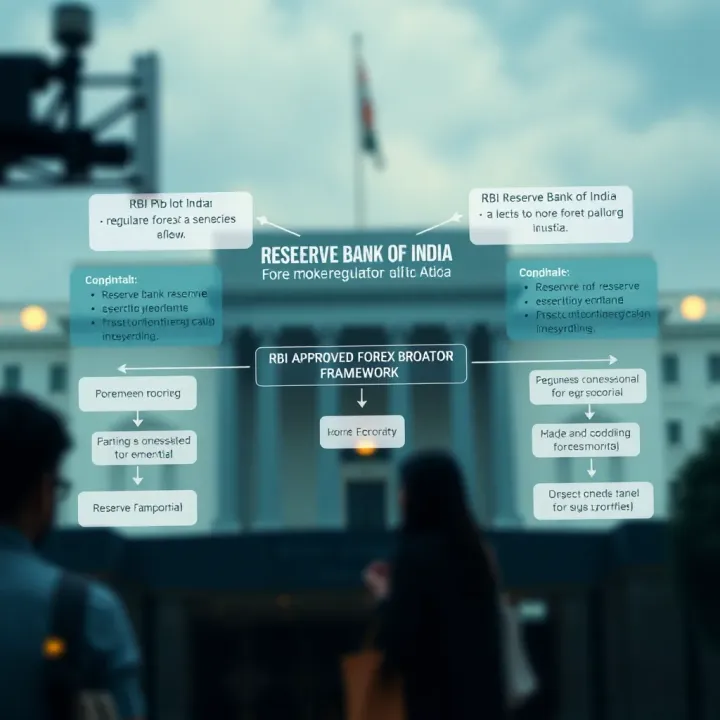
📊 Explore how RBI approved forex brokers in India safeguard your trades. Learn to spot legit brokers and manage forex risks confidently and legally. 💹
Based on 15 reviews