
Understanding RBI Registered Forex Brokers in India
Learn how RBI registered forex brokers in India ensure safe trading, comply with regulations, and what to watch for to trade legally and confidently 📊🇮🇳
Edited By
George Mitchell
The foreign exchange (forex) market never really sleeps, running 24 hours a day across different global centres. However, for traders in India, understanding the specific forex market opening times relevant to their timezone is key to planning strategies and executing trades at the right moment.
India operates on Indian Standard Time (IST), which is 5 hours 30 minutes ahead of GMT. Since the forex market operates across four major sessions — Sydney, Tokyo, London, and New York — their opening and closing times impact liquidity and price movements differently for Indian traders.

Here’s a quick breakdown of the main forex sessions in IST:
Sydney Session: 4:30 am to 1:30 pm
Tokyo Session: 6:30 am to 3:30 pm
London Session: 12:30 pm to 9:30 pm
New York Session: 5:30 pm to 2:30 am (next day)
The London and New York sessions overlap between 5:30 pm and 9:30 pm IST. This overlap is often the most volatile and liquid period, ideal for traders aiming to capture significant price moves. Conversely, the Sydney session tends to be quieter, reflecting lower trading volume.
Knowing these timings helps you avoid periods of low activity where spreads widen and market volatility dips. Timing your trade entry during active sessions can improve the chances of better order execution and tighter spreads.
Indian traders also need to watch out for daylight saving time changes affecting foreign markets, especially London and New York. Although India does not observe daylight saving, these shifts impact session timings by an hour, requiring adjustments in your trading schedule.
To make the most of forex trading, keep an eye on global economic events scheduled within these sessions. For example, a major US Federal Reserve announcement during New York trading hours can trigger rapid movements across currency pairs involving the US dollar.
By combining knowledge of forex market opening times with economic calendars and market news, Indian traders can better plan their trades, manage risk, and seize profitable opportunities efficiently.
Understanding forex market timing is key for any Indian trader aiming to navigate the world's largest financial market efficiently. Forex trading operates across different time zones, which impacts liquidity, volatility, and trading opportunities depending on when you log in from India. Knowing when main forex sessions start and close helps Indian traders plan their activities, manage risks, and optimise entry and exit points.
The forex market, short for foreign exchange market, is where currencies are bought and sold against each other. It’s a decentralised global marketplace that operates 24/5, connecting banks, institutions, governments, corporations, and retail traders. For example, when an Indian trader buys the EUR/USD pair, they are speculating on the euro's value against the US dollar. This market determines exchange rates and moves with economic events, geopolitical news, and market sentiment.
Forex trading happens worldwide during overlapping business hours across continents. These periods coincide with the working hours of major financial centres like Sydney, Tokyo, London, and New York. India's timezone, Indian Standard Time (IST), is UTC+5:30, which means market openings and closings globally fall at unusual hours locally—often late night or early morning. For instance, the London session starts at 3:30 pm IST and ends at 12:30 am IST. Missing these key windows could mean you miss trading the most active sessions.
Unlike stock exchanges that close daily, the forex market runs continuously from Sunday evening to Friday evening IST, due to the staggered opening hours of global centres. This 24-hour cycle allows trades around the clock, creating dynamic opportunities in any time zone. For example, while Indian markets sleep, New York or Tokyo sessions might still offer volatile trading. Indian traders can choose when to trade based on personal convenience, market activity, and strategy.
Indian traders must convert global session timings into IST to trade effectively. With the forex market not aligned to Indian business hours, understanding these conversions helps avoid confusion. For example, instead of trading during India's daytime, many Indian traders find late evenings and night hours more profitable because that's when London and New York sessions overlap, leading to higher liquidity and tighter spreads.
Knowing forex market timings in IST improves decision-making, risk handling, and benefit realisation for Indian traders navigating global sessions.
By recognising when market action peaks, you not only save time but also tailor your trading strategy to capitalise on the most promising periods.
Understanding forex market sessions is key for Indian traders to plan trades effectively according to local timing. The forex market operates round the clock, but trading volume and volatility vary greatly across the major sessions: Sydney, Tokyo, London, and New York. Knowing when these sessions open and close in Indian Standard Time (IST) helps in spotting the best opportunities and timing risk management.
The Sydney session starts at 4:30 am IST and runs until 1:30 pm IST, followed closely by the Tokyo session which opens at 6:30 am and closes at 3:30 pm IST. These sessions cover the Asian market hours, which are the first to open each day globally and set the tone for others. Traders in India can begin watching the market early morning to catch any significant moves caused by economic updates from Asia-Pacific countries.
Trading during Sydney and Tokyo sessions is usually less volatile compared to European and American hours. Currency pairs involving the Japanese yen (JPY), Australian dollar (AUD), and Singapore dollar (SGD) see more activity. Indian traders focusing on these pairs can spot good trading setups during this period, especially around major economic announcements like Bank of Japan policy decisions or Australian employment data. However, liquidity may remain lower, so spreads tend to be wider.

The London session runs from 12:30 pm to 9:30 pm IST, conveniently covering afternoon to night hours in India. This timing makes it one of the most accessible and active periods for Indian forex traders, allowing them to participate with better market liquidity and sharper price movements.
London is a major global forex hub, accounting for roughly 30-35% of daily trading volumes. During this session, markets react strongly to European economic data and geopolitical developments. Indian traders often find this session suitable for day trading and swing trading because volatility spikes, making breakouts and reversals easier to spot.
The New York session opens at 5:30 pm IST and closes at 2:30 am IST. For India-based traders, this stretches trading opportunities late into the night. Though this may not suit everyone due to the timing, active traders often watch the late evening hours closely.
The overlap between London and New York sessions—typically from 5:30 pm to 9:30 pm IST—is when forex market activity peaks. During these hours, liquidity is at its highest globally, and significant price swings occur. This period offers Indian traders the best chances for quick trades on major pairs like EUR/USD and GBP/USD, due to increased volatility and volume. Traders can use this window to capitalise on news releases from both Europe and the US combined, maximising potential profits.
For Indian forex traders, aligning their work hours to these global sessions or setting alerts for key overlaps can significantly improve trading outcomes by capturing sharp, liquid moves and avoiding quiet, low-volume periods.
By keeping session timings in mind, traders can sharpen strategy execution and manage risks better according to prevailing market conditions worldwide and their own availability.
Forex market timings directly influence trading strategies for Indian traders, as the market’s global nature means different sessions offer varying levels of activity and volatility. Understanding when certain markets open or close helps traders plan entry and exit points effectively, capitalising on the periods when liquidity and price movements are higher. This knowledge also assists in managing risks linked to sudden price swings.
Volatility often peaks during the overlap of major forex sessions, such as when the London and New York markets are both open, offering greater trading opportunities due to higher liquidity. For Indian traders, this means roughly 5:30 pm to 10:30 pm IST is especially active, with sharp price moves that can favour day traders seeking quick profits. In contrast, the Sydney and Tokyo sessions tend to see reduced volatility during Indian daytime hours, so trades during this time may experience slower price movements, requiring different strategies like range trading.
Choosing when to trade depends largely on whether you prefer active markets or quieter ones. High activity periods, such as the London-New York overlap, usually bring tighter spreads and more opportunities for significant price changes, ideal for scalpers and day traders. Conversely, low activity periods—like when the forex market shifts between sessions—may be better suited for swing traders or those looking to avoid the risks of volatile spikes. For example, trading USD/INR pairs when both Indian and US markets are active can offer more reliable price action.
Many Indian traders juggle day jobs alongside forex trading, making session timing crucial. Part-time traders often focus on the early evening London session overlap with New York, which coincides with post-office hours and offers good market movement. It’s practical to avoid late-night New York session hours if trading at those times disrupts daily schedules. Developing a routine that aligns trading hours with personal availability improves consistency and risk management.
Market hours affect risk because volatility and liquidity vary across sessions. Trading during high volatility periods can increase profit potential but also the risk of sharp losses if stops are not managed properly. Indian traders should be wary of trading illiquid times when spreads widen, increasing transaction costs. For instance, setting stop-loss orders wider during London session volatility helps prevent premature exits but requires disciplined money management to avoid heavy losses. Aligning risk tolerance with market hours ensures trades suit individual profiles and market conditions.
Awareness of how forex market timings impact volatility and liquidity allows Indian traders to tailor strategies that suit their goals and lifestyle, balancing profit potential against manageable risk.
Forex market activity during Indian trading hours depends on several key factors that traders must track closely. Understanding these influences helps in timing trades better and managing risk effectively.
Indian economic data such as GDP growth, inflation rates, industrial production, and the Consumer Price Index (CPI) often come out during Indian daytime hours. These releases can cause sharp moves in the forex market. For instance, when inflation data shows unexpected rises, the Indian rupee (INR) might weaken sharply against the US dollar or other currencies. Traders should keep a close eye on the scheduled releases published by the Ministry of Statistics and Programme Implementation (MoSPI) and the Reserve Bank of India (RBI).
These data points guide expectations about RBI’s monetary policy, which in turn impacts forex rates. A good example is when the RBI hikes interest rates unexpectedly, it tends to strengthen the INR against major currencies.
Global economic events also influence forex activity during Indian hours. Indicators such as the US Non-Farm Payrolls (NFP), Federal Reserve interest rate decisions, and Eurozone inflation numbers usually release during early morning or late evening IST hours but resonate throughout the day. Since the US dollar features in most currency pairs traded in India, any volatility triggered by these reports affects liquidity and spreads locally.
For example, a strong US jobs report can strengthen the dollar, impacting USD/INR trades even during Indian market hours. Following international central bank policies, such as the European Central Bank’s decisions, is equally important for traders dealing with pairs like EUR/INR.
The Reserve Bank of India shapes forex markets directly through its policies on currency intervention, interest rates, and regulations for foreign exchange transactions. RBI’s occasional interventions to curb volatility or stabilise the currency affect market sentiment instantly during Indian hours. Moreover, notifications about changes in Foreign Direct Investment (FDI) rules, currency controls, or international trade agreements from the RBI or the Ministry of Finance can lead to sudden forex movements.
Traders should monitor official RBI announcements and circulars closely to avoid surprises. For instance, RBI’s steps to ease forex supply or tightening measures can cause either sudden appreciation or depreciation of the INR.
Indian traders prefer currency pairs that show good liquidity and volatility during their active trading hours. The USD/INR pair remains the most traded due to India’s trade ties and remittance flows. Besides that, EUR/INR, GBP/INR, and JPY/INR are favoured as they combine international volume with decent activity overlapping Indian hours.
These pairs respond well to both domestic news and global market movements, making them attractive for intraday and swing trading.
Liquidity tends to peak during the London session overlap with Indian trading hours and again when New York opens. During these periods, tighter spreads and better trade execution occur, benefiting Indian traders.
Outside these overlaps, spreads widen and liquidity dries up, raising trading costs and slippage risks. For example, late-night trading in India might see INR pairs with wider spreads, discouraging large trades. Thus, selecting the right time aligned with high liquidity periods improves profitability.
Keeping these factors in mind will help Indian forex traders schedule their trades better, manage risks, and capitalise on more liquid and active market phases.
Understanding market timings isn't just an academic exercise; it can directly impact your trades. Planning around global forex sessions helps you tap into periods of high liquidity, reducing spreads and increasing profit potential. It also aids in risk management by avoiding times when volatility spikes unexpectedly.
Traders from India should strategise their trades based on when different forex sessions open and close. For example, the London session tends to offer high volatility between 2:30 pm and 11:30 pm IST, making it ideal for intraday traders looking for active price movements. In contrast, the Sydney session, which runs from 4:30 am to 1:30 pm IST, might suit early risers or those preferring lower volatility.
It's practical to avoid trading when the market is quiet, such as late-night hours in India when most major sessions are closed. Also, overlaps between sessions—like London and New York from 6:30 pm to 10:30 pm IST—offer increased trading volume and sharper price action, offering good opportunities for active traders. Plan your trades so you’re not caught off guard by sudden news or drops in liquidity outside these hours.
Modern trading platforms like MetaTrader 4 and 5 or broker-specific apps such as those from Zerodha and ICICI Direct offer built-in session timers and market hour trackers. These tools make it easy to see which session is active at any point in time, saving you from manual calculations or confusion, especially when Daylight Saving Time affects other markets.
In addition, these platforms provide real-time charts, order execution, and news updates all in one place. This integration ensures you stay updated with market trends and crucial economic data timed around session openings.
You can set alerts on many trading apps to notify you when a particular session begins or when major economic data is about to be released. For example, Bloomberg Quint or Moneycontrol apps allow you to track Indian and global economic events, sending push notifications.
These alerts prevent missed opportunities and help manage risk by reminding you to adjust your stops or exits as the market enters a more volatile phase. Effective use of alerts is especially beneficial for part-time traders balancing trading with a full-time job.
A frequent slip among Indian forex traders is ignoring the impact of market overlaps and low liquidity hours. Trading during off-hours often means wider spreads and increased slippage, eating into potential profits.
Another mistake is failing to adjust for time differences correctly, which can lead to missed trades or entering positions just before closures. This happens when traders do not consider Daylight Saving Time changes in key forex hubs.
Finally, relying solely on one session without observing how global economic announcements impact multiple markets can lead to incomplete strategies. Always contextualise your trades considering both local and international timing nuances.
Staying disciplined with how you plan and monitor forex market timings can improve your trading outcomes. Using technology and avoiding timing pitfalls will help you trade smarter, not harder.
Learn how RBI registered forex brokers in India ensure safe trading, comply with regulations, and what to watch for to trade legally and confidently 📊🇮🇳

Discover how India's top forex traders made it big, their key strategies, and get essential tips to start your own trading journey 📈💰
Explore RBI's legal rules for forex trading in India 📊 Learn about authorized dealers, transaction types, compliance, and what happens if you don't follow the law 🇮🇳
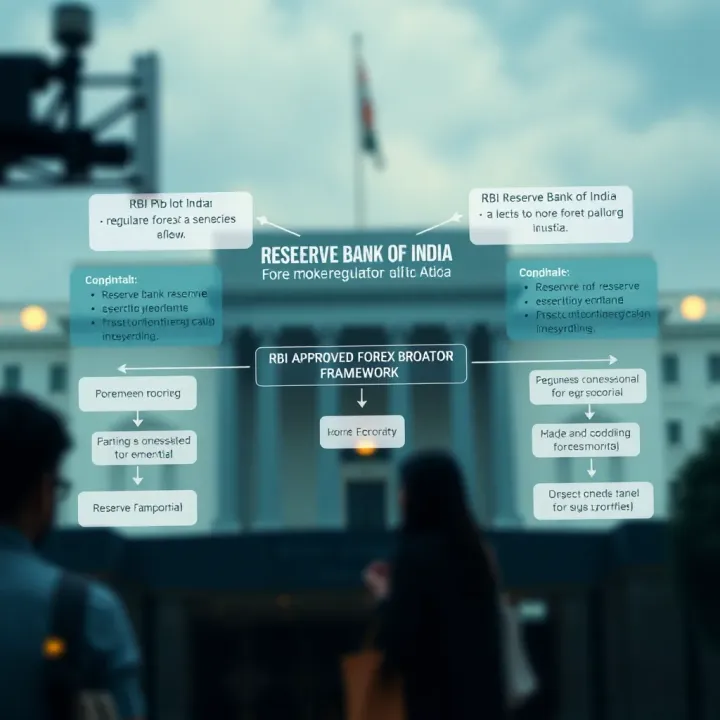
📊 Explore how RBI approved forex brokers in India safeguard your trades. Learn to spot legit brokers and manage forex risks confidently and legally. 💹
Based on 7 reviews