
Ethereum Coin Price: Factors and Investment Insights
📈 Explore Ethereum coin price trends, key factors affecting value, market insights, and tips tailored for Indian investors navigating the crypto market confidently.
Edited By
Henry Collins
Gold has always held a special place in India, not just as a precious metal but as a cultural and financial asset. Predicting its price by 2030 requires analysing a mix of domestic and international factors that shape its demand and supply.
Gold prices in India mainly depend on global bullion rates, exchange rates, and local demand-supply dynamics. The price of gold quoted on international markets, especially in London and New York, influences Indian prices after adjusting for import duties and currency fluctuations.
Exchange rate shifts, particularly the weakening or strengthening of the Indian Rupee against the US Dollar, directly affect gold’s cost in India. For example, a depreciating rupee makes gold imports costlier, pushing prices up domestically. Historically, when the rupee falls 1%, gold prices tend to rise roughly 0.5%.
Domestic demand patterns also matter. Festivals like Diwali and wedding seasons boost purchases, driving seasonal price increases. Moreover, government policies like changes in import duty or gold monetisation schemes influence buying behaviour.
On the international front, geopolitical tensions, inflation rates, and central banks’ gold reserves play critical roles. During times of global uncertainty—such as wars or economic crises—investors flock to gold as a safe haven. For instance, gold prices surged during the 2008 financial crisis and again amid the COVID-19 pandemic’s early phases.
Understanding these factors is essential for investors and traders aiming to navigate India's gold market effectively by 2030.
Global bullion price trends and market demand
Currency exchange rates (₹ vs $)
Seasonal and cultural demand spikes in India
Government policies including import duties and taxation
Global economic stability and inflation levels
Geopolitical events impacting investor sentiment
Central bank policies on gold reserves
As we move closer to 2030, rising inflation in India and globally, combined with geopolitical uncertainties, suggest that gold will continue to retain its appeal among Indian investors as both a hedge and a store of value. Those wanting to time their investments should keep a close eye on RBI policies, global economic indicators, and currency movements.
This foundational understanding prepares traders, analysts, and investors to better interpret market signals and emerging trends in India's gold pricing for years ahead.
Understanding the current state of gold prices in India provides a solid base for forecasting its future trends up to 2030. It reveals how factors like international rates, currency movements, and government policies directly shape the market. Traders and investors benefit from this knowledge, as it equips them to make informed decisions and anticipate price shifts.
India’s gold price closely follows global benchmarks, especially the London Bullion Market Association (LBMA) rates set in US dollars. If international gold prices rise due to geopolitical tensions or inflation fears, India usually sees a corresponding increase. For example, a surge in gold prices during the 2022 Ukraine conflict pushed Indian gold rates upward, despite local economic factors.
The rupee-dollar exchange rate heavily influences gold pricing. Since gold is imported mainly via the US dollar, a weaker rupee raises import costs, thereby increasing the domestic price. Conversely, if the rupee strengthens, gold becomes slightly cheaper to import. Traders often watch the rupee’s movement against the dollar closely, as a 1% depreciation may translate roughly into a 0.5-0.7% rise in gold prices.
India imposes import duties and Goods and Services Tax (GST) on gold, affecting final consumer prices. For instance, the government raised import duty from 10% to 12.5% in 2020, which caused an immediate increase in retail gold prices. These taxes vary periodically, making them critical for price forecast models and investor strategies.
Gold prices in India typically show steady yearly growth, influenced by macroeconomic factors and global trends. For example, between 2019 and 2021, prices went up by about 20–25%, mainly driven by pandemic uncertainty and easy liquidity worldwide. Such patterns allow analysts to estimate medium-term price trajectories.
Demand peaks during certain months, impacting prices temporarily. The wedding season (October to December) and the run-up to Diwali see higher gold purchases, usually pushing up prices by 2–3%. Traders and sellers often plan inventory and marketing efforts around these cyclical demands to optimise profits.
Gold’s cultural importance in India means festivals and weddings significantly affect its demand. During Diwali and Akshaya Tritiya, demand spikes sharply due to traditional buying customs. This creates short-term price pumps which investors and jewellers anticipate closely, capitalising on predictable seasonal demand hikes.
The gold market in India is complex, shaped by global rates, currency fluctuations, government levies, and deep cultural influences. Grasping these factors is essential for anyone looking to forecast prices or navigate the market effectively.
Economic conditions heavily influence gold prices, especially in India where gold holds cultural, investment, and economic significance. Factors like inflation, interest rates, exchange rates, and supply-demand dynamics play out differently but collectively shape how gold prices might move by 2030. Understanding these helps investors and traders assess future price trajectories and market behaviour.
Inflation tends to push gold demand up since gold acts as a hedge against rising prices. When inflation runs high, money loses purchasing power, and investors often turn to gold to protect their wealth. For example, during periods of double-digit inflation in India in the 1970s and 1980s, gold prices surged sharply. Even now, jitters around inflation can trigger more buying interest in gold jewellery and bars, raising domestic prices.
Interest rates also affect gold demand but in a slightly different way. Higher interest rates increase the opportunity cost of holding non-yielding assets like gold, so rising interest rates usually dampen gold demand. The Reserve Bank of India’s (RBI) lending rate decisions influence these dynamics. If RBI hikes rates sharply to control inflation, investors might prefer fixed deposits or bonds instead of gold, putting a lid on gold prices.
The RBI’s monetary policy directly impacts gold prices by adjusting interest rates and liquidity. When RBI lowers repo rates or pumps liquidity into the economy, it often weakens the rupee and spurs inflation expectations, both positive for gold prices. For example, the RBI’s rate cuts in 2020 amid the COVID-19 crisis boosted gold investments as the rupee slipped and inflation fears grew.
The exchange rate between the Indian rupee and US dollar affects gold prices strongly because India imports most of its gold. When the rupee weakens against the dollar, imports become costlier, pushing up local gold prices. Traders closely watch currency fluctuations; a sudden dip in rupee value can spark quick gains in gold prices even without changes in global prices.
Global monetary policies, particularly in the US and Europe, influence exchange rates and gold prices. When major central banks raise interest rates or tighten liquidity, the dollar tends to strengthen, often leading to a fall in gold prices internationally. For example, the US Federal Reserve’s rate hikes in recent years have caused bouts of volatility for gold, impacting Indian prices accordingly.
Domestic jewellery demand accounts for a significant share of gold consumption in India. Festivals like Diwali and wedding seasons prompt spikes in purchase activity. Economic growth, rising incomes in tier-2 and tier-3 cities, and increased urbanisation support jewellery demand, thus influencing gold prices. However, if prices rise too quickly, demand may slow down, creating natural resistance zones.
India’s gold mining is minimal, so gold imports play a vital role in supply. Any restrictions, import duties, or changes in trade policies affect price levels. For instance, increases in import duty from 10% to 12.5% in recent years have raised costs and thereby local prices. Global supply disruptions or shifts in central bank selling can also impact availability and pricing.
Recycling of gold has grown as a source to meet demand without adding pressure on imports. Indian households often sell old or unused jewellery, especially when prices rise, providing a buffer against supply shortages. Recycling trends help smooth price swings and maintain market stability, particularly during volatile times.
Understanding these economic factors—ranging from inflation to supply dynamics—not only helps traders and investors foresee price moves but also aids in better portfolio decisions amid India’s unique gold market complexities.
Gold prices in India are not isolated from global events. International tensions, policy decisions, and economic shifts abroad can quickly ripple into India’s gold market. Traders, investors, and analysts need to keep a close watch on these external forces, as they often lead to sudden price movements and influence investment strategies.
Gold’s role as a safe haven asset comes into sharp focus during times of global uncertainty. When conflicts flare up—whether in the Middle East, Eastern Europe, or elsewhere—investors tend to flock to gold as a store of value. This demand surge pushes prices higher, offering a hedge against instability in currency markets or stock exchanges. For example, during the Russia-Ukraine conflict that started in early 2022, gold prices saw a notable jump as investors sought shelter from volatile financial markets.
Trade wars and sanctions similarly impact gold prices. Restrictions on trade between major economies create uncertainty about growth prospects and currency values. When the US and China engaged in tariff exchanges a few years back, gold prices responded positively, reflecting worries about slowing global trade and their knock-on effect on stock markets. Sanctions that freeze capital or restrict exports from large gold-producing countries can tighten supply chains, nudging prices upward. Indian investors should track such developments since they indirectly shape retail gold price trends here.
Policies by the US Federal Reserve (Fed) are among the most influential factors affecting gold globally. When the Fed raises interest rates, gold often takes a hit because higher rates increase bond yields, making non-yielding gold less attractive. On the flip side, when the Fed signals rate cuts or maintains lower rates, gold generally rallies as borrowing costs decline and inflation fears rise. For instance, the rate cut announcements during 2020 correlated with gold nearing record highs globally.
The economic performance of major economies also informs gold price directions. Slowdowns in the US, China, or the Eurozone can boost gold’s appeal as confidence in equities and currencies wavers. Conversely, strong GDP growth and stable financial conditions may draw investors away from gold towards riskier assets. Since India imports a large part of its gold, global economic trends weigh heavily on import volumes and pricing.
Keeping an eye on geopolitical events, trade relations, and major central banks’ policies helps anticipate shifts in gold prices. This awareness enables traders and investors in India to manage risks better and seize timely opportunities in the gold market.
Understanding gold's role as an investment in India is key, especially with forecasts extending to 2030. This section highlights how gold fits into investor portfolios, compares with other assets, and what alternatives are gaining ground. It also sheds light on future price predictions and the key factors shaping them.
Gold differs from stocks or real estate mainly because it doesn’t yield income like dividends or rent. However, it tends to hold value during economic downturns or inflationary periods. For example, during the 2008 global financial crisis, Indian gold prices held steady or rose while equities struggled. Compared to fixed deposits or government bonds, gold offers a hedge against currency depreciation, which is relevant given the rupee-dollar fluctuations India faces.
Including gold in an investment portfolio can reduce overall risk. By balancing assets like equities and bonds with gold, investors cushion their holdings against sharp market falls. For instance, if stock markets slide due to geopolitical tensions, gold prices often rise, offsetting losses. Many Indian investors allocate 5-15% of their portfolios to gold, but this depends on individual risk appetite and financial goals.
Digital gold allows investors to buy small quantities of gold online, stored securely by trusted custodians. It suits new or urban investors looking for convenience and liquidity without the hassle of physical storage. Gold Exchange-Traded Funds (ETFs) trade on the stock exchange like shares, providing easy entry and exit without making charges or security risks. These options have gained traction, especially among millennials and tech-savvy traders in India.
Issued by the Reserve Bank of India (RBI), sovereign gold bonds offer a safe alternative to physical gold. They pay an interest rate—currently around 2.5% per annum—on top of potential capital gains. These bonds can be redeemed on maturity and are exempt from capital gains tax if held till redemption. Given these benefits, they attract long-term investors seeking steady returns with gold’s safety.
Experts estimate that the price of gold in India could reach anywhere between ₹6,000 and ₹7,500 per gram by 2030, depending on global demand and domestic factors. While past trends suggest steady growth, sharp movements remain possible during crises. Traders should watch for real-time signals rather than rely solely on fixed predictions.
Several factors will influence gold prices going forward: inflation in India and globally, RBI’s monetary policy decisions, US dollar strength, geopolitical uncertainties, and India’s import duties or tax changes. Additionally, rising digital gold penetration might increase domestic demand, potentially putting upward pressure on prices.
Gold's investment appeal in India lies in its steady reliability during uncertainty and its evolving accessibility through digital channels. Knowing these dynamics helps investors position their portfolios better looking towards 2030.
Understanding the likely shifts in gold prices by 2030 matters not just to investors but also to everyday consumers and businesses. This section focusses on how changing gold valuations will affect Indian households and commercial enterprises, especially those involved in jewellery and financial services. The implications are direct—altered buying choices, loan behaviours, and market demand patterns.
Over recent years, Indian consumers have shown evolving preferences in gold jewellery purchases. While traditional designs continue to hold appeal, there is a clear shift towards lightweight, contemporary pieces which suit daily wear and urban lifestyles. This trend reflects younger buyers who value practicality as much as cultural significance. Also, online platforms like Nykaa and CaratLane offering certified products have boosted transparency and trust, encouraging digital purchases even outside festive seasons.
This shift carries practical relevance for jewellers and market players. They must adapt inventory and marketing strategies to cater to demand for mixed-metal jewellery or even gold-plated alternatives, which remain affordable during periods of high gold prices. Recognising these consumer preferences early helps maintain steady sales despite price pressures.
Gold price swings significantly influence consumer behaviour in India. When prices rise sharply, demand typically slows down as buyers postpone or scale down purchases, especially for non-essential jewellery. Conversely, during price dips or stable periods, consumers tend to increase buying, sometimes even stocking up ahead of festivals like Diwali or wedding seasons.
For businesses, this timing sensitivity means managing supply chain and production schedules carefully to avoid overstocking expensive raw materials. Additionally, jewellers often offer flexible payment options or discounts to smooth demand fluctuations. Properly understanding this link can prevent cash flow crunches and help maintain consumer confidence even when prices are high.
In India, gold remains a popular asset for securing loans, especially among rural and semi-urban populations. As gold prices increase, the value of pledged jewellery also rises, enabling borrowers to receive higher loan amounts. This trend encourages wider financial inclusion, allowing families to fund education, medical emergencies, or small businesses with relatively easy access to credit.
Financial institutions like Muthoot Finance and Manappuram Finance have seen increased demands for gold loans tied to price rises. It helps customers unlock liquidity without selling their ornamental gold, which often holds sentimental value. This borrowing pattern also cushions demand in the gold market, as fewer ornaments are melted down or sold off during tough times.
Lending rates on gold loans often vary with gold valuation and overall economic conditions. Higher gold prices typically lower the loan-to-value (LTV) risk for lenders, enabling them to offer competitive interest rates. On the other hand, sudden price drops may prompt caution, tightening credit terms temporarily.
Borrowers benefit from these dynamics by timing their loan applications when gold prices are strong, reducing effective interest costs. Lenders, meanwhile, adjust risk assessment models constantly, ensuring sustainable lending practices. Awareness of this interplay equips both consumers and businesses to optimise borrowing decisions in sync with gold price movements.
Overall, the connection between gold price trends and consumer-business behaviour in India highlights critical opportunities and challenges. Understanding these helps market participants make smarter decisions, whether buying jewellery, applying for loans, or managing financial services related to gold.
📈 Explore Ethereum coin price trends, key factors affecting value, market insights, and tips tailored for Indian investors navigating the crypto market confidently.
📈 Explore the long-term outlook of Reliance Industries share price by 2030, factoring in market trends, company strategy, and economic risks for Indian investors.
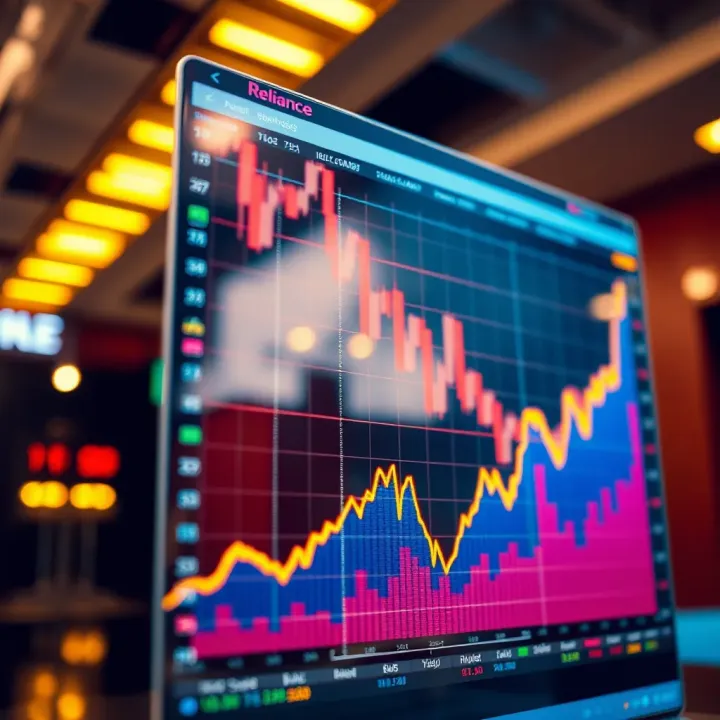
📈 Explore Reliance Industries’ projected 2030 target price with insights on financial health, strategy, market trends & long-term growth outlook.
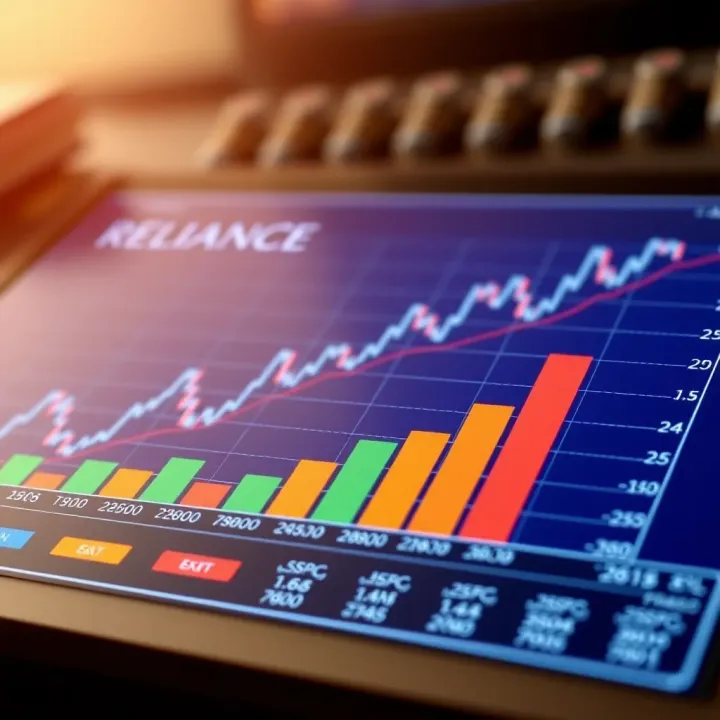
🔍 Explore Reliance Industries' 2030 target price with insights on its business segments, market trends, financials, and challenges shaping future growth.
Based on 12 reviews