

Is Quotex Legit or a Scam? Full Review
Is Quotex legitimate or a scam? Discover how this trading platform works, its regulation, user reviews, risks, and top broker comparisons. 📈💼
Edited By
Amelia Shaw
IQ Option is among the widely talked-about online trading platforms, especially for those stepping into digital trading or looking for alternative investment options. However, questions about its legitimacy often come up, especially from traders in India who want to avoid falling into scams.
Unlike traditional stockbroking firms that operate strictly under Indian regulations, IQ Option is a platform that allows trading in instruments like binary options, forex, cryptocurrencies, and CFDs. This variety attracts many users, but it also raises concerns about safeguards and regulatory oversight.

One key point to remember is that IQ Option is registered and regulated by the Cyprus Securities and Exchange Commission (CySEC). While CySEC regulation instils a certain level of trust globally, it is not an Indian regulator like the Securities and Exchange Board of India (SEBI). Hence, Indian users should understand the differences in protection they might receive when compared to domestic trading platforms.
User experience varies widely. Some traders report smooth transactions, timely withdrawals, and a user-friendly interface. In contrast, others highlight issues with account verification, withdrawal delays, or lack of response from customer support. Such mixed feedback is common with international brokers operating in diverse markets.
It's essential to consider both regulatory status and user reviews together when assessing any trading platform's trustworthiness.
Before investing through IQ Option, Indian traders should consider:
The risk of dealing with an offshore platform lacking SEBI oversight
The type of trading instruments available and their complexity
Customer service responsiveness and dispute resolution methods
Security measures like two-factor authentication
Knowing these factors helps you decide if IQ Option fits your trading style and risk appetite. The platform itself is not outright a scam, but its appropriateness depends on your knowledge and caution as an investor.
In the sections that follow, we will analyse IQ Option’s regulatory framework, explore real user experiences, address common concerns, and examine safety features in detail. This will support Indian traders in making informed decisions about whether to trust IQ Option with their investments.
Understanding IQ Option’s basics and why it has gained traction in India sets the foundation for judging its legitimacy. This section highlights the platform’s offerings and Indian user trends, helping traders grasp what IQ Option brings to the table.
IQ Option operates as an online trading platform that caters to both beginners and experienced traders. It provides an intuitive interface designed to let users execute trades with minimal hassle. Practical benefits include a user-friendly mobile app and web platform, enabling traders to operate from anywhere. Additionally, it supports quick deposits and withdrawals, a must-have for day traders and short-term investors.
The platform also offers educational resources such as tutorials and webinars, which can help new users understand market movements and trading strategies better. This focus on ease of use and learning makes IQ Option appealing for people looking to start trading without facing a steep learning curve.
IQ Option features a variety of tradable assets, giving users flexibility in investment choices. These assets include forex currency pairs, stocks, commodities, cryptocurrencies, and options. For example, traders can buy options on popular Indian stocks or trade in global currencies like USD/INR directly.
Such diversity allows investors to diversify their portfolio on a single platform, rather than juggling multiple services. It also caters to different trading styles, whether one prefers quick profits through options or long-term investments in commodities.
IQ Option's popularity in India has grown noticeably in recent years because of several factors. First, its relatively low minimum deposit—just ₹10,000 to start trading—makes it accessible to many. Plus, with the rise of internet penetration and smartphone usage in cities and towns, more Indians can enter digital trading.
The platform also appeals to younger traders keen on exploring financial markets beyond traditional fixed deposits or mutual funds. The high returns potential and engaging interface attract millennials and Gen Z, especially those familiar with online gaming and apps.
Regarding user demographics, IQ Option’s base in India is quite diverse. While urban centres like Mumbai, Bengaluru, and Delhi dominate the user count, tier-2 cities have seen a surge due to increased digital literacy. Most users fall in the 18-35 age bracket, drawn by the promise of flexible earnings and market access.
This mix indicates that IQ Option has become a popular stepping stone for many Indian retail investors trying out online trading, blending technology with finance in an approachable way.
For Indian traders, understanding IQ Option’s features and user trends helps assess whether this platform fits their investment needs and risk appetite.

Understanding the regulatory status and safety measures of IQ Option is essential for traders looking to use the platform confidently. Regulation assures traders that the platform follows legal guidelines and operates transparently, which helps reduce risks tied to fraud and misuse of funds. Simultaneously, safety measures focus on protecting user data and money, which is critical in today’s digital trading environment.
IQ Option is licensed and regulated by the Cyprus Securities and Exchange Commission (CySEC). This regulatory authority monitors financial services firms within the European Union region to ensure compliance with strict rules designed to protect traders, such as maintaining sufficient capital and fair trading practices. For Indian users, this means IQ Option is required to follow certain standards that aim to prevent malpractices and protect investor interests.
However, it is important to note that IQ Option itself is not regulated directly by the Securities and Exchange Board of India (SEBI), India's primary regulator for securities and commodities markets. This implies Indian traders must exercise caution and understand that protection offered by Indian regulators does not extend to using IQ Option. Due diligence and careful risk management become vital, especially considering the differences in regulatory oversight.
IQ Option employs several data security measures, including encryption protocols and secure socket layer (SSL) certificates. These systems encrypt the transmission of sensitive data such as login credentials and payment information, shielding users from interception or hacking attempts. For instance, SSL ensures any data you enter on the platform remains private and uncompromised, which is crucial when financial transactions and personal details are involved.
On top of data security, IQ Option has mechanisms to protect user funds. These include segregation of client funds from company operating funds, which prevents misuse or accidental loss of trader money. Additionally, the platform uses trusted payment gateways that typically comply with global standards for financial security. Such measures reduce the risk of fraud and build trust, yet traders must ensure they use verified payment methods and adhere to platform rules to avoid issues.
Traders should always confirm the presence of SSL certificates on trading platforms and look into how client funds are managed before investing significant amounts.
Overall, assessing IQ Option's regulatory status and safety protocols can provide peace of mind but does not eliminate all risks. Indian users must combine this with their own prudence and awareness of the platform's regulatory reach.
Discussing common concerns and criticisms is vital for understanding IQ Option beyond its marketing claims. These insights reveal real user experiences and potential red flags, helping traders in India navigate risks better. After all, knowing what issues tend to crop up can prepare you to manage them effectively or avoid trouble altogether.
Withdrawal issues often surface in reviews about IQ Option. Some users report delays in withdrawing funds or encountering hurdles during the process, such as additional verification requests. While these instances are not universal, they highlight the importance of understanding withdrawal policies thoroughly before investing. For example, traders in India need to keep an eye on how KYC (Know Your Customer) norms or local banking restrictions may affect withdrawal speed.
Many complaints stem from incomplete documentation or mismatched account details, which can slow withdrawal approval. This suggests exercising caution and ensuring all paperwork is updated and consistent. Traders should also pick withdrawal methods—like NEFT or UPI—that they trust and have previously used successfully to avoid hiccups.
Account suspension cases are another concern raised by some users. Reported instances include unexplained account freezes or suspensions, sometimes after a string of profitable trades. Such scenarios often create suspicion about platform fairness, but suspension usually relates to compliance checks or suspected policy violations. The practical takeaway is to adhere strictly to terms of service and avoid risky practices like using multiple accounts or engaging in suspicious trading patterns.
Suspensions can also occur due to discrepancies in identity verification, which reinforces the need to provide accurate personal data. Indian traders should keep communication clear with customer support to resolve these issues swiftly, rather than ignoring platform requests.
Typical scam accusations levelled against IQ Option come from dissatisfaction with trade outcomes or withdrawal problems. Some users suspect manipulative practices, like rigged pricing or delayed trade executions, which reportedly led to losses. While such complaints deserve attention, it is important to separate normal trading risks from platform misconduct.
These allegations often arise when inexperienced traders expect guaranteed profits or misunderstand trading mechanics. To check if these claims hold water, users should evaluate trading performance objectively and compare it against common market volatility.
Context and evidence around scam claims is crucial. Investigations reveal that many complaints lack conclusive proof of fraud but instead point to operational glitches or user errors. Moreover, IQ Option’s regulation by some offshore bodies means regulatory oversight is limited compared to Indian authorities like SEBI, which can affect dispute resolution.
Still, numerous positive reviews and transparent policies provide some balance to the narrative. For Indian traders, relying on regulated platforms and understanding the risks involved in binary options or CFDs trading is a safer approach than reacting solely to isolated negative reports.
Addressing concerns honestly equips traders with clear expectations and promotes smarter decision-making on IQ Option or any similar platform.
Withdrawal problems often relate to verification or payment method mismatches.
Account suspensions typically follow compliance reviews or policy breaches.
Scam allegations mostly reflect trading losses or misunderstandings rather than straightforward fraud.
Regulatory context affects grievance handling and user protections.
By considering these factors, traders in India can better assess IQ Option’s reliability and avoid pitfalls common in online trading.
Using IQ Option wisely is critical for those eyeing profitable trades without falling prey to the common traps of online trading. Given the platform's mix of opportunities and complaints, smart usage helps traders make the most while protecting their capital. The focus here is practical—how to start right, manage risks, and avoid common mistakes.
A demo account lets beginners try out the platform’s features without risking real money. It mirrors the live environment, allowing you to explore trading options, test strategies, and understand the interface comfortably before investing actual funds. For instance, an amateur trader from Pune used the demo account for two weeks to get a feel for binary options before shifting to the live mode. This time given to practice builds confidence and reduces impulsive losses that come from jumping straight into live trading.
Trading on IQ Option, like any other financial platform, carries considerable risks, especially due to market volatility and leverage effects. New traders must know that losses can exceed initial deposits if trades are not handled carefully. Understanding this helps set realistic expectations and motivates adopting risk management techniques such as setting stop-loss limits or avoiding excessive leverage. For example, a Chennai-based day trader caps daily losses to 5% of their capital to avoid emotional decision-making and hefty setbacks.
Spotting warning signs early can save traders from scams or problematic trades. These red flags include promises of guaranteed profits, pushy sales tactics by representatives, or unexplained delays in withdrawals. IQ Option users should stay vigilant against unsolicited calls offering investment tips or suddenly changing terms and conditions without clear reasons. An alert trader in Bengaluru noticed withdrawal delays coinciding with weekend holidays and contacted support promptly, highlighting the importance of reacting quickly to anomalies.
Payment security underpins safe trading experiences. Opt for trusted methods like net banking, UPI, or well-known wallets such as PhonePe or Google Pay for deposits and withdrawals. Avoid unfamiliar third-party agents or unverified payment portals, as they increase risks of fraud or fund mismanagement. A trader in Hyderabad avoided a phishing incident by double-checking the payment gateway URL before entering credentials, exemplifying cautious behaviour.
Wise usage of IQ Option means learning the platform thoroughly, respecting risks, and practising safe financial habits. These steps help Indian traders navigate the platform confidently, minimising losses and maximising opportunities.
Exploring alternatives to IQ Option is essential for Indian traders looking to diversify their investment options and minimise risks associated with using a single platform. While IQ Option offers various assets and features, understanding other regulated platforms available in India equips you to make safer and better-informed decisions.
India hosts several well-regulated trading platforms that operate under the supervision of the Securities and Exchange Board of India (SEBI). Platforms such as Zerodha, Upstox, and 5Paisa have become popular among Indian traders for their transparency, regulatory compliance, and wide range of trading options including equities, commodities, and derivatives. These platforms have local presence, which often means better customer support and ease of fund transfers through UPI or net banking.
On a global scale, platforms like eToro and Interactive Brokers also cater to Indian users, offering access to international markets and various asset classes beyond Indian stocks. Their strong regulatory footing in multiple jurisdictions provides an additional layer of trust. However, Indian users should be cautious about compliance with local laws and taxation when dealing with such global platforms.
Comparatively, Indian platforms tend to focus more on stock market trading and provide better integration with Indian banking systems, while global platforms may offer diverse assets like cryptocurrencies and forex. The choice depends on your trading preferences, asset classes you want to access, and comfort with platform features.
When selecting a trading platform, consider factors such as ease of use, transaction costs, asset variety, withdrawal procedures, and quality of customer service. Platforms like Zerodha offer low brokerage charges and intuitive interfaces, making them suitable for beginners and those focused on equity markets. For traders interested in options or derivative products, Upstox might be preferable for its advanced charting tools.
Another critical factor is the platform’s regulatory status. Verify if the platform is registered with SEBI or relevant international authorities. This registration not only ensures compliance with legal requirements but also helps protect your investments through measures enforced by regulators.
Trustworthiness and regulation are foundations of a reliable trading platform. Platforms regulated by SEBI or global organisations like the FCA (Financial Conduct Authority) are subject to audits and investor protection norms.
Opting for a platform with clear regulatory oversight means you have recourse if issues arise, unlike unregulated platforms that often operate in grey zones. Ensuring the platform handles your funds transparently and provides swift dispute resolution should weigh heavily in your decision. For Indian traders, choosing a platform that also supports local payment methods and offers customer service in regional languages can enhance the overall trading experience.
In summary, exploring regulated Indian and global platforms helps you find one that best matches your financial goals while balancing safety and convenience. Being selective and thorough in your choice reduces the risk of fraud and improves your chances of trading success.
Is Quotex legitimate or a scam? Discover how this trading platform works, its regulation, user reviews, risks, and top broker comparisons. 📈💼

🔍 Understand Expert Option withdrawal limits, rules, verification steps, and payment methods. Tips to avoid delays and manage your ₹ withdrawals smoothly.

Explore QXBroker's trading platform, account types, and tools designed for Indian traders. Get insights on deposits, education, security, and support 📊💹🔐
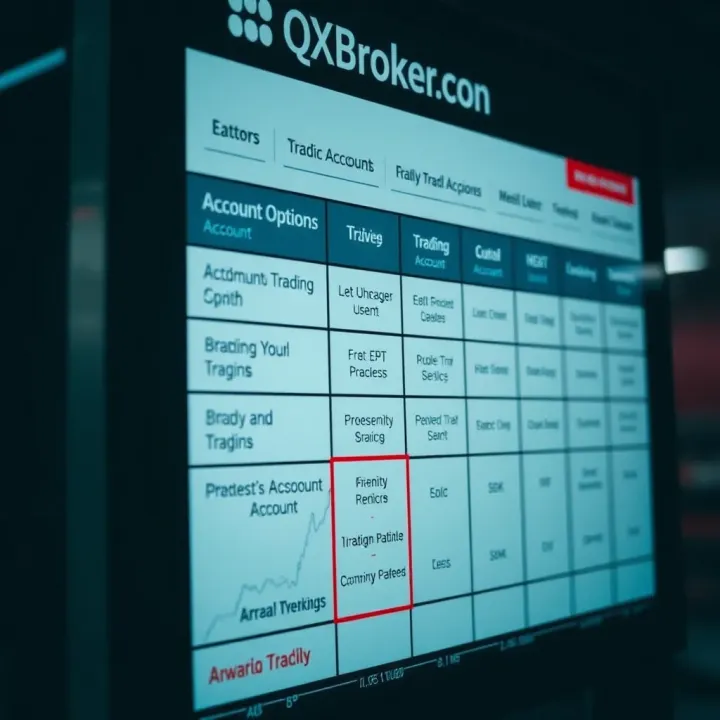
Explore QXBroker.con for Indian traders 📊: detailed insights on accounts, platforms, fees, regulations, and support to help you trade wisely and securely.
Based on 8 reviews