
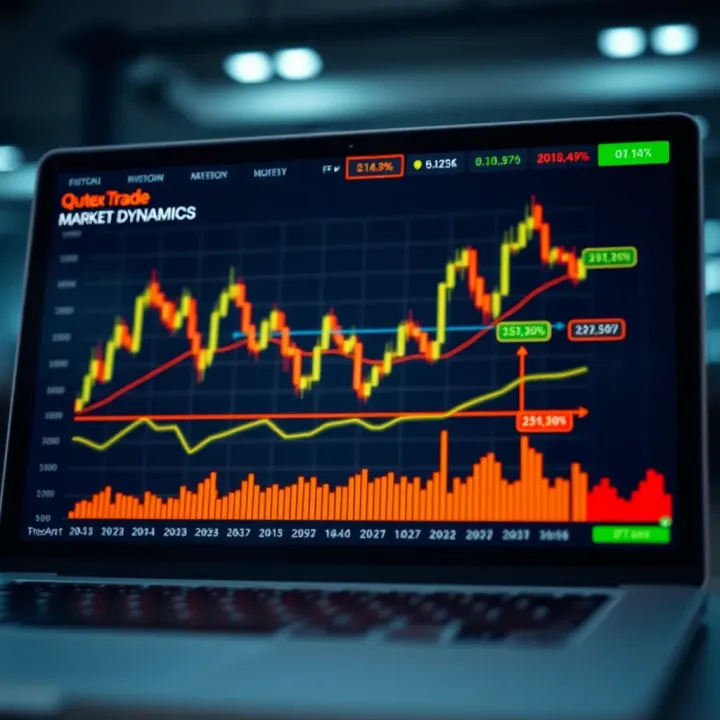
Understanding Qutex Trade - A Clear Overview
Explore Qutex trade in detail 📊 Learn how it works, benefits, risks, and get expert tips to trade confidently in India's market landscape 🇮🇳
Edited By
Oliver Davies
Forex trading can seem like a complex world, especially for beginners stepping in for the first time. A forex trade demo account offers a safe space to explore this market without risking real money. Unlike live accounts where actual funds are on the line, demo accounts provide virtual money, letting you practise trading strategies, learn market movement, and get familiar with trading platforms.
Think of it like driving a car in a simulator before hitting real roads – you get to understand how the controls work, spot pitfalls, and gain confidence. Many Indian platforms like ICICI Direct, Zerodha, and Upstox offer demo accounts with realistic price feeds and trading tools.

Demo accounts are especially valuable as they mirror live market conditions closely, allowing traders to experience price fluctuations, spreads, and order executions without financial pressure.
Using a demo account helps you:
Understand how buy and sell orders function in the forex market
Test different currencies like USD/INR or EUR/USD to see how pairs respond
Learn to manage risk via stop-loss and take-profit orders
Experiment with indicators and chart patterns
However, keep in mind demo accounts cannot fully replicate the emotions tied to real money trading. The adrenaline rush, hesitation, or instinctive decisions often differ when real capital is involved. Still, starting with a demo account builds a solid foundation and can improve your trading discipline.
In this guide, you'll find practical insights to select the right demo account and make the most out of it before moving on to live trading. Whether you are an individual trader, an investor assessing forex opportunities, or an analyst understanding market dynamics, demo accounts serve as a useful educational tool.
Understanding and mastering forex basics through a demo account can save you from costly mistakes in the long run. So before you put in actual money, give your skills a trial run. It’s the smartest way to enter forex trading.
A forex trade demo account is a practice environment that lets traders simulate real forex trading without risking actual money. It acts as a sandbox where beginners and experienced traders alike can explore market dynamics and test strategies under conditions close to live market trading. This is particularly helpful in a complex and highly volatile market like forex, where understanding timing and risk management is critical.
A demo account offers virtual funds so you can buy and sell currency pairs just as in live trading. The account behaves like a real trading account but uses fake money, allowing users to familiarise themselves with the trading process. For example, a trader in Mumbai can open a demo account on platforms like MetaTrader 4 or 5 and start practising with ₹10 lakh virtual balance.
The main purpose is twofold: first, it helps new traders get comfortable with trading platforms and currency pairs without pressure. Second, experienced traders can test new trading strategies or tools without financial consequences. This helps reduce costly mistakes when transitioning to live trading.
Demo accounts act as the first stepping stone in a trader’s journey, offering both confidence and mechanical skills before investing real capital.
Demo accounts mirror live forex trading by replicating price movements, charts, and execution processes based on actual market data. For instance, if the EUR/USD pair drops due to an economic announcement, the demo account reflects this change just like a real account would.
However, some aspects may differ slightly, such as order execution speed or slippage, depending on the broker. Still, these accounts simulate:
Real-time price quotes and spreads
Market orders and limit orders
Leverage and margin calls
Various order types and stop-loss settings
Many brokers also provide demo accounts linked to their actual trading platforms, ensuring consistent user experience. This hands-on approach helps you understand factors like bid-ask spreads and leverage impacts without risking your savings.

In sum, forex demo accounts serve as practical tools for learning and experimentation. They bridge the gap between theoretical knowledge and real market participation, making them invaluable for traders at any level.
Demo accounts offer beginner traders a valuable, hands-on way to learn forex trading without exposing themselves to financial risks. This section highlights three key benefits that make demo accounts an essential stepping stone in developing trading skills.
Forex demo accounts provide a safe environment for practising trading with virtual currency instead of real money. This means you can make mistakes and learn from them without losing actual funds. For example, a new trader can explore how currency pairs like EUR/USD or GBP/INR fluctuate without worrying about financial damage. This hands-on experience helps newcomers get comfortable with market dynamics and trading jargon before stepping into live markets.
A demo account lets you try out various trading strategies without risking your capital. For instance, you might test scalping techniques or swing trading approaches to see which suits your style better. Besides strategies, you can also experiment with tools like stop-loss, take-profit orders, and technical indicators such as moving averages or RSI. This experimentation is crucial because it reveals what works and what doesn’t in different market conditions, enabling traders to build confidence and improve decision-making.
The forex market uses multiple trading platforms, and their interfaces can vary widely. A demo account allows you to navigate these platforms—be it MetaTrader 4, MetaTrader 5, or broker-specific apps like Zerodha Kite's forex section—without pressure. You can explore features like charting tools, order placement, and account management. For example, Indian traders might find it useful to learn how to place netting or hedging orders safely in a demo environment before trying it on the live platform.
Using a forex demo account is not just about practising; it's about understanding the market’s pulse, testing strategies in real-time conditions, and getting comfortable with the tools you will rely on.
Together, these benefits form a strong foundation. They help ensure that when you start live trading, you already have practical knowledge and skills, reducing the chances of costly errors. That said, remember to approach a demo account seriously to gain its full advantage rather than treating it like a game.
Forex demo accounts provide a valuable risk-free environment to practice trading, but they do have limits that every trader should understand. Knowing these limitations helps set realistic expectations and prepares you for the jump into real trading. This section looks at two main constraints: how demo trading differs from live trading, and the psychological challenge of managing emotions.
Demo accounts replicate the price movements and trading platforms of the live markets but cannot capture every nuance of real trading. For example, demo accounts usually execute trades instantly at displayed market prices. In reality, traders may face slippage — when orders are filled at a slightly different price due to fast market changes or low liquidity. This can affect profitability but is absent in demos.
Plus, demo funds are virtual, so you’re not putting your own money at risk. This changes behaviour; many traders take bigger risks on demo accounts or hold losing positions longer since there are no financial consequences. Also, demo accounts do not always reflect actual order book depth or the impact of large trades affecting prices, which beginners might not realise until moving to live trading.
Trading with fake money cannot simulate the stress and emotions involved in risking real capital. The adrenaline rush, fear of loss, or pressure to make profits aren’t felt during demo trading. This emotional gap can cause new traders to underestimate the discipline required in real markets.
For instance, a trader may switch strategies frequently or become overconfident just because all the trades are paper profits. But when real money is on the line, emotions like fear, greed, or panic can cloud judgment and lead to impulsive decisions. Developing emotional control takes time and experience that demo accounts alone cannot provide.
Traders should view demo accounts as a training ground for technical skills, not a perfect mirror of live trading. Combining demo practice with education on risk management and emotional discipline prepares you better for real forex trading.
Understanding these limitations helps avoid common pitfalls and makes the transition from demo to live trading smoother. Real market conditions demand more than just strategy — emotional resilience and adaptability are equally vital for success.
Picking the right forex demo account can significantly shape your learning curve as a novice trader. Not all demo accounts are created equal, so it's vital to weigh the features and options that suit your trading style and goals. A well-chosen demo account offers a realistic environment and reliable tools that prepare you better for live market conditions.
The broker you choose should have a trustworthy reputation and be regulated by recognised authorities like the Securities and Exchange Board of India (SEBI) or international bodies such as the Financial Conduct Authority (FCA). Reliability in execution speeds and accurate market data updates are non-negotiable since demo accounts mimic live trading. Also, check for transparent terms related to account funding and withdrawals to avoid surprises once you move to a live account. For instance, brokers like ICICI Direct or Zerodha are preferred for their wide reach and robust platforms.
Your chosen demo account should provide an interface that's user-friendly yet rich in features. Look for platforms that offer advanced charting options, technical indicators, and the ability to execute different order types—this will help you explore various trading strategies. Mobile compatibility matters too, as many traders in India rely on smartphones for quick access. MetaTrader 4 (MT4) and MetaTrader 5 (MT5) are popular choices, but platforms like TradingView or Zerodha’s Kite also deliver solid trading tools. The goal is to pick a platform that feels intuitive and resembles what you’ll use when trading with real money.
Demo accounts typically come with limits on usage duration, often 30 to 90 days. Before registering, confirm how long you can access the account and if there’s a possibility to renew or extend the period without cumbersome procedures. Some brokers allow multiple demo accounts or top-up virtual balances, which helps if you want to continue practising or test new strategies beyond the initial timeframe. For example, if a platform allows renewal while retaining your trading history and setups, it adds meaningful value to your learning journey.
Choosing a forex demo account carefully is your first step to gaining confident, hands-on experience. It helps to avoid bad habits and ensures a smoother transition to live trading.
In short, weigh broker credibility, platform features, and account terms equally when selecting a forex demo account. These considerations make the difference between a demo experience that merely shows you the basics and one that equips you for the real market challenge.
Using a forex demo account effectively can make the difference between a rookie trader and one ready to face the live markets with confidence. A demo account offers a risk-free environment, but just opening it isn't enough. Setting clear goals, keeping track of your performance, and planning the transition to real trading are key steps to make the most of this tool.
Start your demo journey with specific, achievable targets. Instead of aiming to "make huge profits" quickly, focus on mastering platform navigation, understanding currency pairs, and practising different trade entries and exits. For example, setting a goal to practise 20 trades per week helps build familiarity and discipline without feeling overwhelmed. Make sure these goals reflect your long-term trading ambitions; if swing trading interests you, try simulating trades with longer holding periods. Clear goals keep you focused and prevent aimless clicking that doesn't translate into learning.
Keeping a detailed record of your demo trades is vital. Note down trade setups, entry and exit points, reasons for entering, and the outcome. Over time, analyse patterns – which strategies show promise, where do you frequently make errors, and how do you react to losses? Using a simple spreadsheet or dedicated trading journal app can help here. For instance, you could track your win-rate, average profit/loss, and adherence to your planned strategy. This self-review process builds critical thinking and helps anchor lessons learnt in demo trading to real markets.
Consistent performance tracking transforms random trades into systematic learning and reveals the areas needing improvement before risking real capital.
Demo success doesn't guarantee immediate results in live markets, but a planned transition can bridge this gap. Start small – use real money only when comfortable and limit your initial risk to a fraction of your trading capital. Live trading involves emotional pressures absent in a demo setting, like fear and greed, which can cloud judgement. Practise maintaining your strategy discipline despite these emotions. A staggered approach, where you slowly increase your real trade sizes while continuing demo practice, helps balance learning with real experience. For example, after three months of consistent demo profits, begin trading with ₹10,000 rather than jumping with a large sum.
By setting realistic goals, tracking your demo trades critically, and planning your move to live trading with care, you use your forex demo account as a genuine training ground rather than a mere playground. This practical framework prepares you better for the ups and downs of currency markets.
Explore Qutex trade in detail 📊 Learn how it works, benefits, risks, and get expert tips to trade confidently in India's market landscape 🇮🇳
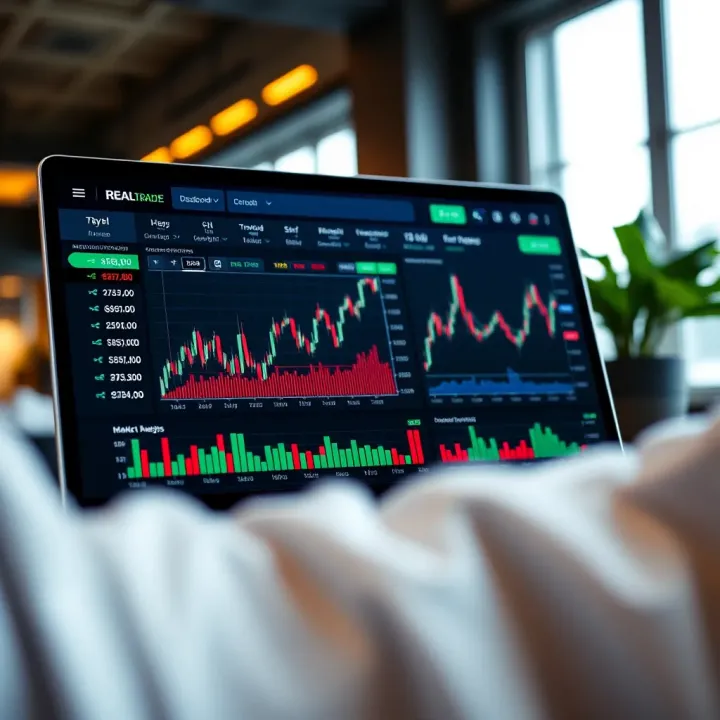
📱 Discover the key features, benefits, and user insights of real trade apps popular in India. Learn how to choose and use them securely for smarter trading.
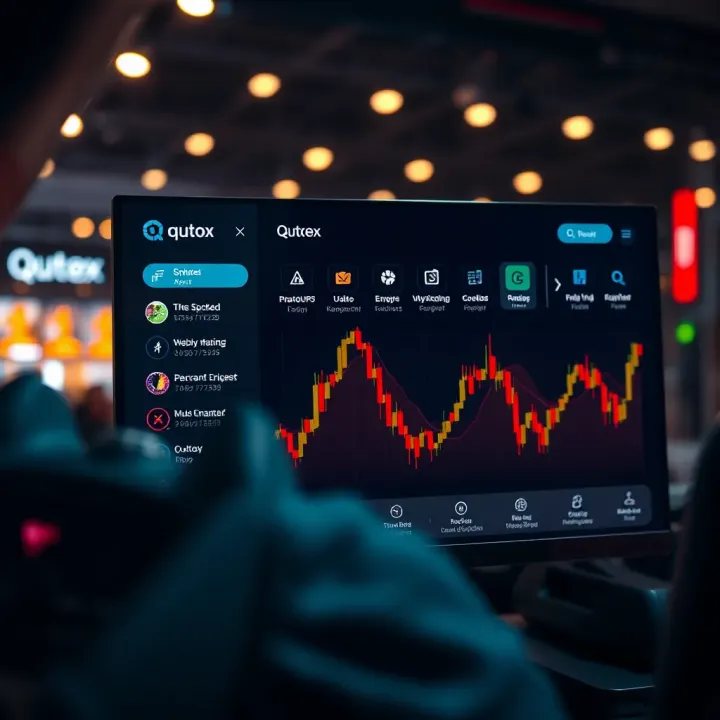
Explore Qutoex in depth 💡 Understand its features, functionalities, and practical uses, plus get answers to common queries for smarter decisions! 📊

📊 Explore QX trading: key features, platforms, risks & benefits explained. Understand its role in financial markets for smarter investing decisions in India.
Based on 7 reviews