

Understanding Qutex Trade - A Clear Overview
Explore Qutex trade in detail 📊 Learn how it works, benefits, risks, and get expert tips to trade confidently in India's market landscape 🇮🇳
Edited By
Henry Morgan
The Olympic Movement stands as a global platform that promotes peace, unity, and excellence through sports. At its core, it represents more than just an international sporting event; it is a set of ideals that encourages participation, fair play, and international cooperation. For traders and investors, understanding this movement's impact in India reveals opportunities in sports infrastructure, branding, and emerging markets.
The Olympics began in ancient Greece and were revived in 1896 by Pierre de Coubertin, aiming to unite countries through friendly competition. Over time, this event evolved into a worldwide spectacle featuring thousands of athletes competing across diverse sports disciplines. This global engagement creates significant economic waves, including sponsorships, broadcasting rights, and merchandise sales.
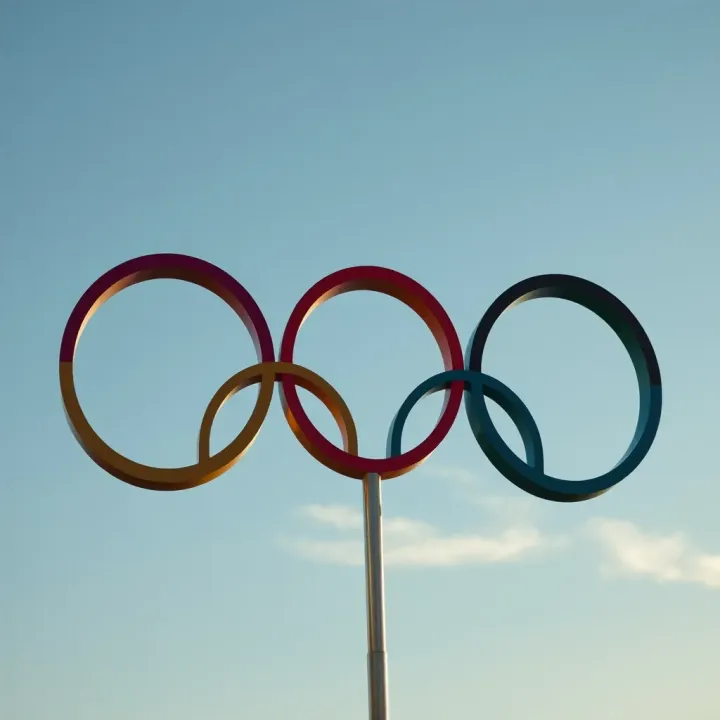
In India, the Olympic Movement has gradually gained prominence. While historically the nation's medal counts have been modest, recent performances in disciplines such as wrestling, badminton, and shooting have drawn attention. The Indian government has stepped up with initiatives like the Target Olympic Podium Scheme (TOPS) which financially supports top athletes. This boost aims at refining training methods and providing international exposure.
India's growing participation in the Olympics is not just about sporting pride but also about a rising market for sports-related investment and development.
Key elements shaping the Olympic Movement in India include:
Athlete development: Increasing investments in grassroots talent through academies and state support.
Infrastructure growth: Enhanced stadiums, training centres, and sports science facilities backed by both public and private players.
Corporate involvement: Sponsorships, endorsements, and brand partnerships fostering commercial ecosystems around sports.
For financial analysts and traders, these trends signal expanding opportunities in sectors like sports equipment manufacturing, media rights, and health-tech innovations targeting athlete performance. Moreover, the Olympics can influence consumer behaviour during the event season, with spikes in sales of sportswear, fitness gadgets, and broadcasting subscriptions.
Understanding this interplay helps in forecasting market movements tied to the sports economy. It also invites a closer look at government policies influencing funding flows, regulatory support from bodies like the Sports Authority of India (SAI), and India's potential to become a more dominant force on the Olympic stage in the coming decades.
Understanding the history and evolution of the Olympic Movement is essential to grasp how the event has shaped international sports and influenced countries like India. It reveals the roots of Olympic ideals, the expansion of global participation, and the structures that sustain this worldwide sporting event. For investors and traders, recognising these aspects helps assess India's progression in sports infrastructure and athlete development, potentially impacting investment in sports-related sectors.
The Olympic Games started in ancient Greece around 776 BCE as a religious and athletic festival honouring Zeus. Held every four years in Olympia, these games symbolised unity among competing city-states despite frequent conflicts. Events included running, wrestling, discus, and chariot races. This foundation illustrates how sports can promote peace and camaraderie, a value that continues today.
For India, understanding these origins highlights the long-standing cultural importance of competitive sports and physical fitness. It underscores the global legacy Indian athletes become part of when they compete in the modern Olympics.
The Olympic Games were revived in 1896 by Pierre de Coubertin to promote international friendship and peace through sports. Unlike the ancient games, the modern Olympics introduced a broader range of disciplines and welcomed athletes worldwide, irrespective of nationality or social class. This revival transformed sports from regional festivals into a global phenomenon.
India’s participation in the Olympics began shortly after, marking the start of its journey on this international stage. The revival's global mindset paved the way for India’s evolving sports culture and international presence.
Established in 1894, the International Olympic Committee (IOC) governs the Olympic Movement. It standardises rules, selects host cities, and ensures the movement adheres to Olympic values like fair play and inclusivity. The IOC’s role is critical for maintaining the games' credibility and global reach.
For India, the IOC's framework provides a platform to engage with international sports governance and improve its organisational capacities, benefiting national sports bodies and athletes.
From a handful of sports and countries, the Olympics have grown to include over 40 sports and 200 nations. This expansion reflects rising global interest and technological advances that allow more sports to gain prominence. For example, sports like badminton and shooting have gained immense popularity in India, translating into Olympic medals.
This growth presents opportunities for Indian athletes to participate in diverse disciplines and for businesses to invest in niche sports. It also reflects India's broadening ambitions in the global sporting arena.
The history and growth of the Olympic Movement show a continuous push for inclusivity and excellence, shaping sports worldwide and offering India both challenges and exciting prospects.
The Olympic Movement is built on core values and principles that go beyond just sports. These values shape the spirit of the games, influencing athletes, organisers, and nations alike. For investors and financial analysts, recognising these elements helps understand the broader impact of the Olympics, such as how goodwill and fair competition promote global cooperation and contribute to economic and social stability.
Olympism promotes peace and unity by bringing together nations in a spirit of friendly competition. This approach helps ease geopolitical tensions, and the Olympic Games stand as a rare global forum where countries put aside conflicts to engage on neutral ground. For instance, during the 2018 Pyeongchang Winter Olympics, North and South Korea marched under a unified flag. This event reflected sport’s power to foster dialogue and improve relations, which benefits regional stability and investor confidence.
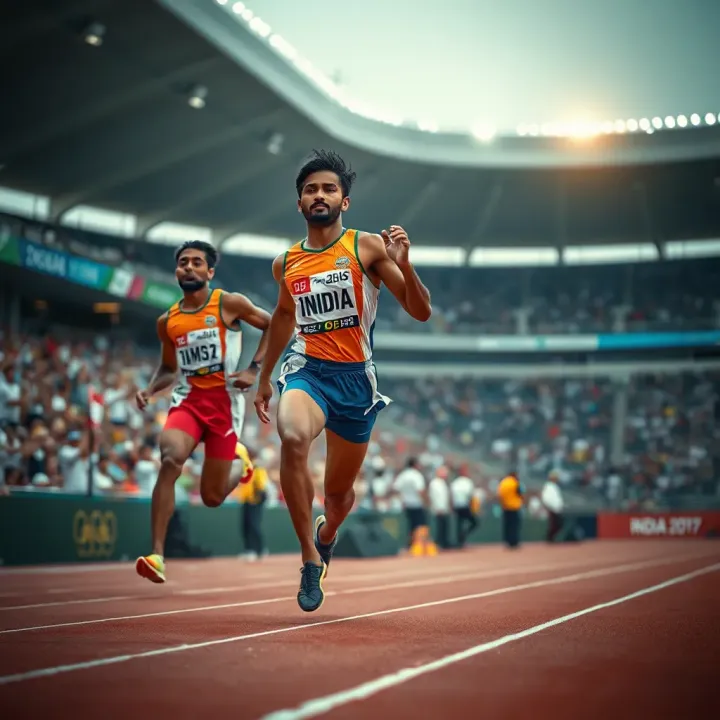
In the Indian context, such values encourage participation beyond national rivalries, inspiring grassroots efforts that nurture young talent irrespective of background. These values create a framework where sports become a platform for social cohesion, essential in a diverse country like India.
Fair play underpins the Olympics, highlighting respect, honesty, and equality. Athletes are expected to compete on merit, without resorting to unfair tactics. This principle ensures the credibility of results and maintains public trust in competitions. For investors, fair play translates into transparency—not unlike securities markets where integrity is key.
In practical terms, India’s rise in global sports owes much to embracing sportsmanship. The boxing bout between Indian boxer MC Mary Kom and her rivals showcases resilience and respect for opponents, inspiring respect worldwide. This spirit drives athletes to improve continuously and creates an ecosystem of trust crucial for sponsorships and corporate support.
The Olympic Charter sets clear rules for athletes and National Olympic Committees (NOCs), ensuring consistency in participation. It defines roles, responsibilities, and eligibility criteria, smoothing operations across diverse legal and cultural settings. This clarity benefits organisers and investors alike by reducing uncertainties related to athlete participation, funding, and governance.
In India's case, adherence to the Charter helps streamline selection processes and protects athlete rights. For example, the Indian Olympic Association (IOA) follows these norms while coordinating with government agencies to promote fairness and equal opportunities across sports disciplines.
The Charter enforces strict ethical standards, particularly around anti-doping, to maintain a level playing field. Doping scandals tarnish reputations and disrupt investment prospects by inviting sanctions and loss of credibility. Thus, rigorous drug testing and compliance protocols safeguard the integrity of the Games.
India has seen increased emphasis on anti-doping efforts, with agencies like the National Anti-Doping Agency (NADA) stepping up testing after previous controversies. These measures assure international partners and sponsors that Indian athletes compete cleanly, boosting confidence in India's sporting future.
Upholding the Olympic values not only nurtures athletes' character but also strengthens national prestige, social unity, and investor trust.
In summary, understanding these core values and the Olympic Charter provides insight into the frameworks that guarantee fair competition and ethical conduct. This knowledge benefits stakeholders in India’s sports ecosystem, from policymakers and athletes to sponsors and global partners.
India's participation in the Olympic Movement traces a path of evolving sports culture and national pride. Understanding India's journey helps grasp how sports have shaped the country's international image and inspired investments in athlete development. This journey highlights achievements despite challenges, signalling opportunities for Indian athletes and stakeholders.
India first appeared at the Olympics in 1900, represented solely by Norman Pritchard, who won two silver medals in athletics. This was a rare feat for an Asian country in that era, reflecting early potential on the global stage. However, India's real emergence occurred from 1920 onwards when more athletes began competing officially under the Indian flag. The 1928 Amsterdam Games marked a landmark with the Indian men's hockey team winning gold, kicking off an era of dominance that lasted for decades. This period was crucial in showcasing India's sporting talent even under British colonial rule, fostering a sense of unity and international recognition.
After 1947, India's Olympic story took a new direction focusing more on individual and team sports beyond hockey. The 1952 Helsinki Games saw K.D. Jadhav win India’s first individual Olympic medal in wrestling, setting a precedent for future competitors. Over subsequent decades, athletes like Milkha Singh and P.T. Usha gained fame although Olympic medals remained limited. More recently, India has diversified into disciplines like shooting, badminton, and boxing, with notable medals in London 2012 and Rio 2016. This growth reflects increasing government backing, better training facilities, and global exposure.
India's Olympic legacy features heroes like Abhinav Bindra, whose gold in shooting at Beijing 2008 was a breakthrough for individual events. Also, the women's hockey team’s qualification for the 2016 Rio Olympics ended a 36-year absence, inspiring renewed focus on women’s sports. Wrestlers Sushil Kumar and Sakshi Malik won Olympic medals that spurred wider popularity and government interest in wrestling programmes. These moments carry practical benefits, including sponsorships and policy support, motivating upcoming athletes.
India's recent success across new sports demonstrates expanding talent pools. Young shuttlers like Kidambi Srikanth and P.V. Sindhu have become global names. Similarly, Indian wrestlers and boxers increasingly shine at youth and senior levels, showing depth beyond traditional favourites. The rise of athletes in athletics and gymnastics also signals promising diversification. Government schemes such as Target Olympic Podium Scheme (TOPS) and private sponsorships now nurture these athletes from grassroots to elite level, aiming to turn potential into podium finishes.
India's Olympic journey epitomises perseverance and growth, offering strategic lessons in investing systematically in diverse sports disciplines for international success.
India's Olympic story is more than medals; it is about building a sustainable sports ecosystem. Understanding this progression helps investors, analysts, and policymakers appreciate the impact of sports on national development and economic returns from branding, sponsorship, and sports tourism.
Government and institutional backing plays a significant role in shaping the success of Indian athletes on the Olympic stage. Without this support, it becomes challenging for performers to access high-quality training, world-class facilities, and adequate funding. For investors and sports stakeholders, understanding these support systems clarifies how India is building its sports ecosystem and how talent nurtures over time.
The Ministry of Youth Affairs and Sports is the primary government body overseeing sports development in India. It formulates policies, allocates budgets, and implements programmes to promote sports at all levels. For instance, the Ministry’s annual budget runs into thousands of crores, a significant portion of which funds Olympic disciplines directly through central schemes and partnerships with state-level agencies.
Crucially, the Ministry also establishes frameworks for athlete welfare, anti-doping, and international collaboration. Its proactive stance on developing infrastructure and providing financial support directly influences the quality of athlete preparation ahead of major events like the Olympics.
Several schemes target the nurturing of potential Olympians. The Khelo India programme, for example, identifies talent from grassroots levels and supports them through scholarships, coaching, and access to facilities. This initiative has helped bring lesser-known sports into the limelight and given promising athletes a chance to shine.
Another key scheme is the Target Olympic Podium Scheme (TOPS), which funds elite athletes by covering training, diet, equipment costs, and international exposure. TOPS also prioritises scientific and medical support, ensuring athletes receive holistic care to perform at their peak. Investments like these show clear government intent to professionalise athlete development and improve India's Olympic medal prospects.
The Indian Olympic Association (IOA) acts as the official body representing India at the Olympics. Beyond selecting athletes and sending them to Games, IOA coordinates with various sports federations to streamline preparation efforts. It also plays a role in securing sponsorships and managing athletes’ logistics during international meets.
IOA’s governance affects team morale and resource allocation, helping athletes focus on competition rather than administrative hurdles. Its ability to mobilise support creates an enabling environment necessary for consistent Olympic success.
Indian sports federations and the IOA regularly partner with organisations like the International Olympic Committee (IOC) and various international sports federations. These collaborations facilitate knowledge exchange, coach-level training, and adherence to global standards in doping control and athlete management.
For example, exchange programmes with nations excelling in specific sports have helped Indian athletes improve techniques and adopt global best practices. Moreover, access to international competitions sharpens competitive edge, making partnerships crucial for closing the performance gap with leading sporting nations.
Effective government policies combined with institutional coordination underpin India’s growing presence in the Olympic arena, offering better avenues for athletes to train, compete, and win on the world stage.
India's Olympic journey is shaped not only by athletic talent but also by the hurdles and openings within its sports ecosystem. Examining these challenges and opportunities helps us understand why India has been striving to improve its Olympic performance and what practical steps are being taken to boost success.
India still faces gaps in world-class sports infrastructure, which directly affects athlete preparation. Many regional centres lack modern gym equipment, synthetic tracks, or specialised coaching setups that athletes need for competitive readiness. For example, while major metros like Delhi and Bengaluru have decent facilities, smaller towns often rely on basic grounds without proper maintenance.
This uneven spread creates a disadvantage for talented athletes from rural or semi-urban areas who may need to relocate to train effectively. Without accessible, well-equipped facilities close to home, many athletes face logistical and financial burdens that hinder their progress.
Financial support remains a central problem for Indian athletes. Many promising sportspersons juggle between intense training and earning a livelihood because sponsorships are concentrated on popular sports like cricket. Olympic disciplines such as archery, boxing, and wrestling often struggle to attract consistent funding.
Although government schemes like the Target Olympic Podium Scheme (TOPS) provide assistance to elite athletes, a majority of emerging talents continue to face uncertainty. Limited access to private sponsorship deters many athletes from pursuing sports professionally, affecting India's medal prospects.
For sustained success, India recognises the need to scout talent early and nurture it through structured grassroots programmes. Initiatives like Khelo India focus on identifying sports talent in schools and remote areas to provide training scholarships and infrastructure.
Such programmes not only bring hidden talents to light but also help build a steady pipeline of athletes across Olympic disciplines, reducing reliance on sporadic successes and creating a broad base of trained individuals for future competitions.
Adopting technology and science in training is gradually transforming Indian sports culture. Usage of tools like motion analysis, biomechanical assessments, and personalised nutrition plans helps fine-tune athletes’ performances.
For instance, shooter Apurvi Chandela's use of virtual reality simulators improved her focus and precision ahead of major tournaments. Integrating these advanced methods with traditional coaching amplifies results, balances injury prevention, and prepares athletes for international standards.
Addressing infrastructure, funding, talent scouting, and technological integration simultaneously can propel India towards consistent Olympic success rather than occasional podium finishes.
By confronting these challenges head-on and leveraging opportunities strategically, India aims to raise its global sports stature and inspire a sporting culture inclusive across all regions and communities.
Explore Qutex trade in detail 📊 Learn how it works, benefits, risks, and get expert tips to trade confidently in India's market landscape 🇮🇳
📈 Understand Quotex with our detailed guide for traders in India 🇮🇳. Learn how to set up accounts, explore trading options, strategies, and key risks.

Discover what Quotx is, its key uses, and benefits. Learn practical tips to use Quotx effectively in various scenarios for better outcomes. 📊💡

🔒 Explore the QXBroker login process for Indian traders. Learn account setup, security tips, mobile access, common issues, and support options for smooth trading.
Based on 15 reviews