
Guide to Demo Trading Accounts in India
🌟 Understand demo trading accounts in India: learn benefits, features, broker choices & smooth transition to live trading without risking real money in stock & commodity markets.
Edited By
Lucas Graham
Choosing the right trading platform makes a big difference whether you are a newbie or a seasoned trader. The platform shapes your experience, impacting how fast you execute trades, the costs you pay, and the tools you have for analysis. In India, where trading apps and platforms have exploded in popularity over the last decade, picking one that fits your needs is not straightforward.
A solid trading platform should blend ease of use, low charges, strong security, and reliable customer support. For example, Zerodha Kite is hugely popular for its low brokerage and seamless user experience, while ICICI Direct appeals to those who prefer a one-stop shop combining banking and investment services. Both have their own strengths, showing that the "best" platform really depends on individual preferences.
Remember, the best trading platform is not always the one with flashy features but the one that helps you trade smartly and securely.
Key factors to weigh include:
Regulatory compliance: The platform should follow SEBI guidelines to ensure your investments are safe.
Cost structure: Look beyond brokerage; check for hidden charges like transaction fees, annual maintenance charges, or call and trade fees.
Technology and features: Access to real-time data, charting tools, and smooth mobile apps matter, especially for day traders.
Customer support: Quick, helpful service is a must, particularly when market movements need urgent actions.
Security: Look for two-factor authentication and encryption standards to protect your account and funds.
Indian investors should also consider tax implications and the ease of filing Income Tax Returns (ITR) related to capital gains through platforms that generate handy statements. Platforms that integrate well with India Stack services like Aadhaar and PAN verification can speed up account opening.
In the following sections, we will compare popular global and Indian trading platforms on these criteria. Knowing these aspects will help you pick a platform that suits your trading style, whether you focus on equities, commodities, derivatives, or mutual funds.
Choosing wisely can boost your trading confidence and protect you from avoidable losses caused by delayed execution, poor data accuracy, or lack of support. So, pay attention to features beyond just the brand name and marketing buzz.
Choosing a trading platform hinges largely on the features it offers. These features directly affect your trading efficiency, security, and the overall experience. A platform lacking in key areas can lead to missed opportunities or even losses, especially when rapid decisions are needed.
Ease of navigation and accessibility are fundamentals that can’t be ignored. Your platform should let you find information quickly, without digging through complex menus. For instance, Zerodha’s Kite platform is praised for its simple design that makes placing orders straightforward even for first-timers. An accessible interface means less time fiddling and more time making trades.
Customisable layouts let you tailor the platform to how you trade. Whether you prefer seeing charts alongside your watchlist or want all your trading tools in one window, flexibility can speed up decisions. Platforms like Upstox Pro offer drag-and-drop windows so traders can create a workspace that suits their style, helping reduce clutter and confusion.
Mobile and desktop compatibility matters today since traders rarely stick to one device. A powerful desktop setup helps with detailed analysis, whereas a responsive mobile app keeps you connected during travel or market moves outside office hours. Platforms such as Angel One provide both experience types seamlessly, so your trading stays uninterrupted.
Access to diverse asset classes broadens your trading possibilities. Most top platforms offer stocks, commodities, and derivatives, enabling traders to hedge or diversify easily. NSE and BSE listed shares, along with commodity contracts like gold and crude oil futures, are usually available.
Including mutual funds and exchange-traded funds (ETFs) means you can also opt for less hands-on investments. Many Indian platforms, including Groww and Paytm Money, integrate these with stock trading, so you can monitor all holdings in one place.
Offering forex and cryptocurrency options is a bonus, especially as these assets gain traction in India. While forex trading needs careful brokerage selection due to regulatory considerations, crypto availability is usually through partnerships with specialised wallets rather than direct exchange. This variety suits traders keen on tracking multiple markets.
Fast order processing is a non-negotiable for active traders. Platforms with low order processing times ensure your buy or sell instructions reach the exchange promptly, reducing slippage risk during volatile swings.
Equally vital is platform uptime and stability; downtime during crucial market hours can cost dearly. Platforms like Zerodha and ICICI Direct maintain over 99.9% uptime, helping traders stay connected even in turbulent times.
Latency in volatile markets affects how quickly your orders reflect on the exchange. Even a few milliseconds of delay can turn profitable trades into losses. High-frequency and day traders especially look for platforms with servers close to exchanges to cut down latency.
Strong data protection measures prevent leaks and cyberattacks. This includes encrypted data transfer and secure storage of sensitive information. Well-regulated platforms employ multiple layers of security to protect your funds and personal details.
Compliance with authorities such as Securities and Exchange Board of India (SEBI) and international watchdogs assures traders of the platform’s legitimacy and adherence to fair practices. This guards against fraud and ensures your investments are safe.
Features like two-factor authentication (2FA) and encryption provide extra security layers. 2FA requires additional user verification during login or transactions, making unauthorised access difficult. Platforms like HDFC Securities and Kotak Securities enforce these measures to build trader trust.
Selecting a trading platform is more than just looking at its popular branding; the foundation lies in these core features that influence your trading success and safety. Always prioritise platforms combining user-friendly design, diverse instruments, swift execution, and robust security.
Comparing popular trading platforms worldwide helps traders find options that suit their needs, whether they are beginners or seasoned investors. This analysis shows how different platforms handle various financial instruments, their technology, costs, and customer services. Traders benefit by identifying platforms with strong global presence as well as those tailored for specific markets, such as India.
Platforms dominating stock and derivatives trading hold massive influence because of their vast user base and liquidity pools. For instance, platforms like Interactive Brokers and TD Ameritrade have made a mark through advanced market access and broad product offerings, attracting traders worldwide. Their strength lies in executing large volumes swiftly, a must for day traders and institutional investors alike.
These platforms bring technological innovations that improve trading experiences significantly. Features like low-latency execution, AI-powered analytics, and custom algorithmic trading tools aren't just fancy add-ons but essentials in today's fast-paced markets. For example, NinjaTrader offers APIs enabling users to create tailored trading scripts, which helps traders automate strategies with better control.
Indian investors prefer trading platforms well integrated with India Stack, a set of APIs that simplify e-KYC and payments. Platforms such as Zerodha and Upstox leverage UPI (Unified Payments Interface) for instant, low-cost fund transfers. This integration supports seamless deposits and withdrawals, which is vital in intraday trading where quick money movement is necessary.
Broker services and customer care matter greatly in India due to the diversity in trader backgrounds. Efficient support in multiple Indian languages, accessible via phone or chat, builds trust and helps resolve issues promptly. For example, ICICI Direct offers strong national presence with dedicated relationship managers, making it easier for traders new to stock markets to get personalised assistance.
Commission versus zero-commission models highlight how platforms charge traders. While zero-commission brokers like Zerodha attract many small investors, they might charge fees in other forms, such as GST, STT, or for additional services. On the other hand, traditional brokers with commissions can sometimes offer more bundled services including research reports or advisory.
Hidden fees and charges often surprise traders unfamiliar with terms like annual maintenance charges (AMC) or withdrawal fees. Platforms like Angel One are transparent about such costs upfront, letting users avoid unexpected deductions. Ignoring these can erode returns, especially for frequent traders or those with smaller portfolios.
Pricing impact varies with trader profiles. Intraday and swing traders benefit more from low transaction costs, while long-term investors focus on minimal maintenance or inactivity fees. For example, a day trader executing 20 trades daily would find zero-commission platforms cost-efficient, whereas an investor holding for years might opt for brokers offering free demat AMC to reduce expenses.
Choosing the right trading platform worldwide starts with understanding their strengths in technology, regional fit, cost structure, and services — enabling smarter trading decisions aligned with your objectives.
Technology is at the heart of modern trading, shaping how you analyse assets, execute trades, and manage risks. Trading platforms that offer strong tools can boost your performance by making decisions faster and more precise. Indian investors, in particular, benefit from platforms that blend intuitive technology with local features, such as integration with UPI and real-time data on NSE or BSE. Let's look closely at key categories of trading tools that really make a difference.
Charts are the language of trading analysis. Technical indicators such as moving averages, Relative Strength Index (RSI), and Bollinger Bands help you spot trends and potential reversal points. Drawing tools like trend lines, Fibonacci retracements, and support/resistance markers allow traders to visualise patterns and price actions more clearly. For example, a trader watching crude oil futures on a platform like Zerodha Kite might use these tools to time entry and exit points better.
Backtesting allows you to test trading strategies against historical market data. It's a practical way to see how an approach could have performed before risking real money. For instance, if you develop a strategy based on crossover of two moving averages, backtesting can reveal the number of successful trades and drawdowns over the past two years. This feature is invaluable for refining systems and gaining confidence before deploying them live.
API (Application Programming Interface) access and custom script support enable traders to build or use automated programs to execute trades. This system suits those with programming skills who want to implement specific strategies without manual intervention. For example, platforms like Interactive Brokers offer extensive API frameworks while Indian platforms like Upstox are gradually introducing similar features.
Robo-advisory and model portfolios provide hands-off investment management using algorithms tailored to risk tolerance and goals. They are especially helpful for investors who don't have time to monitor markets constantly. Clearfunds and Groww in India offer model portfolio options that automatically rebalance, helping investors stay on track without active watching.
Real-time market feeds ensure that you receive the latest stock prices, indices movement, and currency rates without lag. In a volatile market, milliseconds matter. Platforms like Angel One and 5Paisa supply live data from NSE and BSE to keep Indian traders updated.
Integrated news and expert analysis deliver context along with the numbers. Many platforms now embed financial news headlines, corporate announcements, and economic indicators directly into the trading interface, allowing quick decisions based on current events. For example, Motilal Oswal’s platform feeds quarterly earnings updates alongside charts.
Third-party research integration broadens your view further, incorporating reports from reputed firms like CRISIL or ICRA. Access to unbiased, professional research enhances your ability to make well-informed trades or investments. Platforms that bring these external insights inside their dashboard save time by reducing the need to hop between sites.
Technology and tools are not emphasise for their own sake but for enabling you to trade smarter, not harder. Choosing a platform with the right features that align with your trading style can improve your edge significantly.
Every trader’s needs differ; understanding what technology best supports yours is key before you pick a platform to trust with your capital.
Cost plays a significant role when selecting a trading platform, especially in today’s competitive market. High fees can eat into your profits, while excessive hidden charges may catch you off guard. Keeping an eye on all cost factors helps traders and investors avoid unpleasant surprises and optimise returns.
Trade-based commissions refer to the fees charged every time you buy or sell a security. Some platforms charge a fixed amount per trade, while others take a percentage of the transaction value. For example, a flat fee of ₹20 per trade might suit high-volume traders, but investors with smaller trade sizes could benefit more from percentage-based models. Understanding this helps you choose a platform aligned with your trading frequency and style.
SIP and mutual fund fees are applicable when investing through systematic investment plans or mutual funds on the platform. While many mutual funds levy their own expense ratios, some platforms also add a nominal fee for SIP processing or mutual fund transactions. For instance, certain brokers in India charge around ₹10 per SIP instalment. If you plan to invest regularly through SIPs, these fees can add up over time, so favour platforms that keep charges minimal or waive them altogether.
Annual maintenance charges (AMC) are recurring fees for keeping your trading or demat account active. Most brokers in India charge between ₹300 to ₹700 annually as AMC. Though it might seem small, for infrequent traders or beginners, AMC can quietly reduce overall profitability. Opting for platforms that waive AMC after a certain trade count or link AMC to activity can save money.
Withdrawal and fund transfer fees come into play when moving money in or out of your trading account. Some brokers levy charges for withdrawing funds, typically a small percentage or a fixed fee per transaction. Similarly, fund transfers via NEFT or RTGS might carry nominal fees. Frequent traders need to consider these costs, especially if they move money often. Platforms offering free or subsidised transfers can make a real difference in the long run.
Cost-efficiency for intraday trading is crucial since intraday traders execute multiple trades daily, often holding positions for minutes or hours. High brokerage per trade or hidden charges can quickly erode profits. Traders focusing on scalping or day trading benefit from zero-commission platforms or those with ultra-low fees, such as Zerodha or Upstox, which offer flat ₹20 brokerage regardless of trade size.
Best options for long-term investors usually involve platforms with low account maintenance costs and minimal fees on SIPs or mutual fund investments. Since long-term investors trade less frequently, brokerage matters less compared to AMC and fund expenses. Platforms like Groww or Paytm Money appeal here, as they focus on low-cost mutual fund transactions and waive AMC, making them ideal for investors with buy-and-hold strategies.
Understanding all these cost factors in advance ensures that you select a trading platform that suits your trading habits, investment goals, and budget, resulting in better net returns over time.
Strong customer support and rich educational resources play a vital role when choosing a trading platform. These elements help traders navigate complex markets confidently, resolve issues quickly, and sharpen their skills, especially in volatile conditions common in Indian as well as global markets. Knowing help is available when you need it can significantly reduce stress and avoid costly mistakes.
Support teams that offer multi-language options can make a big difference, especially in a diverse country like India. Platforms catering to regional languages like Hindi, Tamil, or Bengali allow traders to communicate issues and understand guidance without language barriers. For example, Zerodha provides assistance in several Indian languages, making it accessible to a broader user base beyond metropolitan centres.
Timely help via phone, chat, and email also matters. Instant chat support suits day traders needing quick clarifications on order executions or technical glitches. Phone support remains essential for detailed troubleshooting and personalised guidance, especially when resolving account or transaction-related issues. Meanwhile, email support addresses less urgent queries, providing detailed responses and documented communication. Brokers like Upstox and ICICI Direct combine all these support channels, ensuring traders are not left stranded at critical moments.
Webinars, tutorials, and articles tailored to various skill levels boost trader confidence. Beginners benefit from basics on market terms, order types, and risk management, while advanced traders gain insights into technical indicators and strategy development. For instance, Angel Broking regularly hosts live webinars with market experts, which help both freshers and seasoned traders stay updated with real-time trends.
Demo accounts and practice trading offer a risk-free environment to understand how a platform works and test strategies without losing money. This feature is particularly useful for novice traders uncertain about navigating platform interfaces or market dynamics. Platforms like Kite by Zerodha provide excellent demo options with virtual funds, allowing users to simulate trading across stocks, commodities, and currencies. This hands-on practice is invaluable for building confidence before committing real capital.
Good customer service and education are not just add-ons; they shape the trader’s entire experience, promoting smarter decisions and better long-term outcomes.
🌟 Understand demo trading accounts in India: learn benefits, features, broker choices & smooth transition to live trading without risking real money in stock & commodity markets.

📈 Discover Exness trading hours tailored for Indian traders 🇮🇳. Learn about IST conversion, market open-close timings, and tips to time your trades effectively.
Master the BNF trading strategy 📈 for Indian markets with practical tips on instruments, risk management, and challenges. Ideal for beginners and experienced traders alike.
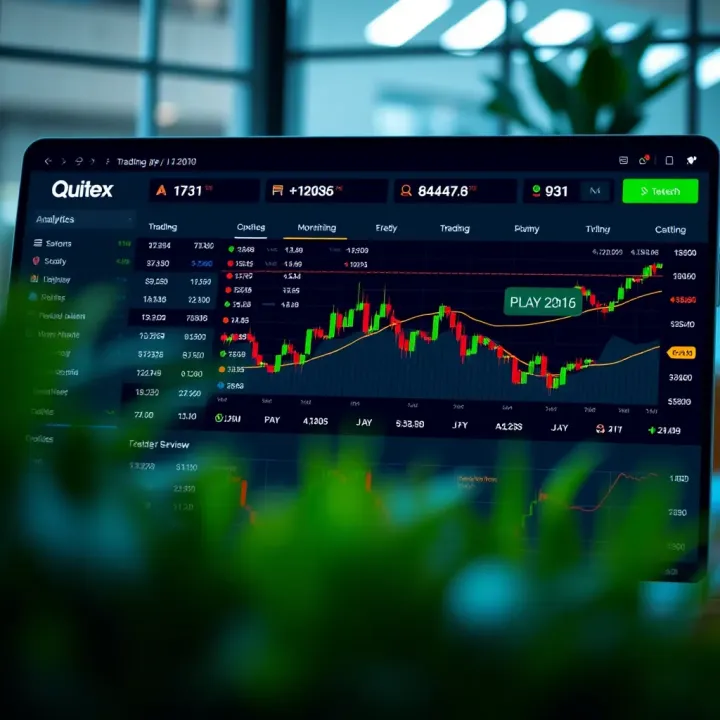
🔍 Explore the Quotex trading course tailored for Indian traders! Learn platform features, binary options strategies, and risk management tips today.
Based on 14 reviews