

Brexit Millionaire: Wealth Trends and Opportunities
Explore how Brexit millionaires amassed wealth through market shifts post-Brexit 🇬🇧. Learn growth factors, key profiles, investor impact, challenges, and tactics.
Edited By
Emily Shaw
ECOS mining represents a shift towards sustainable and eco-friendly extraction methods, balancing India’s growing demand for minerals with environmental responsibility. This approach focuses on reducing the negative impact of mining activities while still ensuring economic benefits for companies and investors.
Unlike traditional mining, which often leads to large-scale deforestation, soil erosion, and water contamination, ECOS mining integrates advanced technologies and practices to minimise environmental harm. For instance, techniques like bio-leaching use bacteria to extract metals from ore, avoiding harsh chemicals typical in conventional methods.
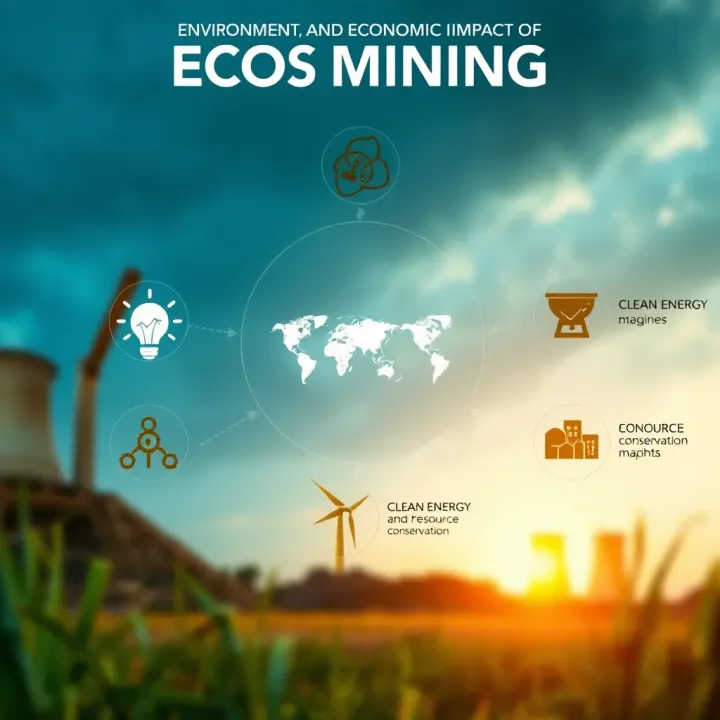
ECOS mining is gaining traction in India due to stringent environmental regulations and growing investor interest in responsible resource management.
The technology behind ECOS mining often includes real-time monitoring systems, drone surveillance for pit assessments, and renewable energy-powered machinery. These innovations not only lower the carbon footprint of mining operations but also improve efficiency and reduce operational costs.
In the Indian context, ECOS mining has practical applications in extracting minerals such as iron ore in Odisha, coal in Jharkhand, and bauxite in Odisha and Andhra Pradesh, where ecological sensitivity is high. Companies adopting these methods often engage in land reclamation, water recycling, and community engagement to maintain social licence to operate.
For investors and financial analysts, understanding ECOS mining is crucial because such projects usually have better compliance records and face fewer disruptions from protests or regulatory hold-ups. This in turn can offer more stable returns, especially as Environmental, Social, and Governance (ESG) criteria influence market valuations.
In summary, ECOS mining merges green technology with practical resource extraction strategies. By doing so, it promises a future where mining contributes to India’s industrial growth without compromising the environment, benefiting stakeholders across the board.
ECOS mining stands out by combining economic growth with environmental protection. It's not just about digging minerals but about doing so responsibly, ensuring the land and community suffer minimal harm. For traders and investors examining mining stocks or commodities, understanding ECOS mining reveals how companies managing eco-friendly practices might mitigate risks linked to environmental regulations or social opposition.
Sustainable approaches to mining focus on methods that limit environmental damage while optimising resource extraction. This can involve using precision tools to target valuable deposits accurately without disturbing large areas unnecessarily. For example, some Indian mining firms now use drone mapping and sensor technology to reduce over-excavation, keeping the surrounding ecosystem intact.
The objective extends beyond just avoiding harm; it's about replenishing and maintaining the environment for future use. Sustainable mining means adopting processes that recycle water, minimise waste, and reduce carbon footprints. Practically, this reduces costs related to waste management and energy, making operations financially viable in the long run.
Balancing resource extraction with environmental care implies extracting minerals without stripping away forest cover or contaminating water. In India, where mining often occurs near sensitive ecological zones, this balance is critical. Companies must practise measures like phased mining, where land restoration happens alongside extraction phases, preventing large-scale degradation.
Maintaining this balance also builds better community relations, which can influence project approvals and operational continuity. For instance, firms implementing reforestation around mines often find local communities more supportive, reducing delays due to protests or legal hurdles.
Soil degradation and deforestation remain among the most visible impacts of conventional mining. Clearing forests for mineral access disrupts local flora and fauna. The exposed soil is more vulnerable to erosion, leading to loss of fertile topsoil, which reduces land productivity after mining ends.
This degradation often forces communities to abandon agricultural or forest-based livelihoods. For a trader or investor, this makes mining ventures riskier, especially if local opposition grows or rehabilitation obligations become costly.
Water pollution and ecosystem disruption are other significant issues. Mining operations frequently contaminate nearby rivers and groundwater with heavy metals or acids. For example, in parts of Jharkhand and Odisha, improper handling of mine tailings has led to serious water contamination impacting drinking supplies and aquatic life.
Such pollution can cause regulatory sanctions and reputational damage, potentially affecting a company's stock value or access to finance. ECOS mining actively addresses these risks by incorporating water treatment facilities and restricting harmful discharge.
Mining companies adopting ECOS principles anticipate fewer operational disruptions and better long-term viability by respecting ecological boundaries and addressing environmental risks proactively.
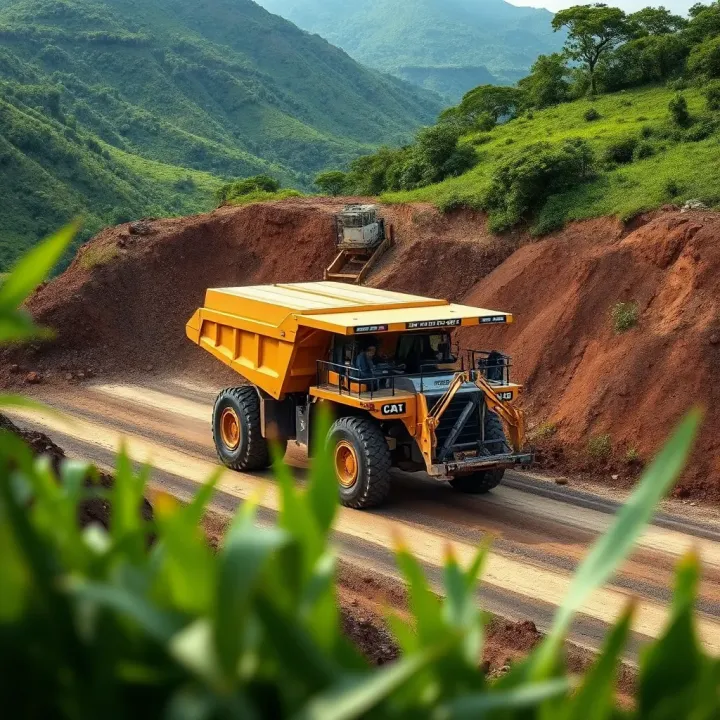
Precision mining techniques reduce unnecessary land disturbance.
Water recycling systems limit freshwater use.
Afforestation programs help recover biodiversity.
Community engagement improves social licences to operate.
Understanding these fundamentals helps investors spot companies ready to meet rising environmental standards without compromising on economic output, making ECOS mining a promising trend in India’s resource sector.
ECOS mining depends heavily on advanced technologies and thoughtful methods designed to reduce environmental harm without compromising resource extraction efficiency. This section outlines how precise approaches and cleaner energy choices contribute to sustainable mining, particularly useful for investors and analysts tracking green initiatives in the mining industry.
Precision mining techniques use data-driven tools like drones, GPS mapping, and real-time sensors to target mineral deposits accurately. This focus avoids excessive drilling and unnecessary land disturbance, which traditionally led to widespread soil erosion and deforestation. For example, mining companies in Jharkhand have started using such technology to pinpoint coal seams with minimal outer rock removal, saving both time and environmental cost.
Waste minimisation through recycling technologies targets the heaps of tailings and waste rock produced by mining operations. Advancements like dry stacking and tailings reprocessing allow companies to reduce the volume of waste stored in large ponds, which pose toxicity risks. Additionally, reusing extracted metals from waste not only conserves resources but also improves profitability. For instance, some copper mines in Rajasthan have adopted waste metal extraction, cutting down the need for fresh ore processing and limiting chemical pollutants.
Many ECOS mining operations incorporate renewable energy sources such as solar and wind to power mines, especially in remote locations with unreliable grid access. Solar panels installed on open lands near mines help reduce diesel generator use, lowering fossil fuel dependence and operational costs. A notable case is a manganese mine in Odisha that shifted partially to solar power, reducing carbon emissions by approximately 30%.
Low-emission machinery includes electric vehicles, hybrid engines, and equipment engineered to meet stricter emission standards. Transitioning to such machinery helps mining firms cut down on particulate matter and greenhouse gases. For instance, the use of electric excavators and loaders in some iron ore mines in Karnataka has demonstrated improved air quality and reduced fuel expenses. These investments often pay off through lower maintenance and compliance costs, attracting green-minded investments.
The application of technology in ECOS mining not only mitigates environmental damage but also creates financial opportunities by optimising resource use and energy consumption.
Understanding these technologies helps financial stakeholders assess how mining companies adapt to growing environmental regulations and market demand for responsible resource extraction.
Job creation through eco-friendly methods
ECOS mining offers a promising route to generate employment in rural and mining regions, where traditional mining methods often harm local economies. By adopting eco-friendly techniques—such as precision extraction, waste recycling, and use of renewable energy—mining companies can set up operations that need skilled and semi-skilled labourers. For example, in Jharkhand and Odisha, where mining forms a backbone of the economy, green mining initiatives have created jobs not only in extraction but also in environmental monitoring and restoration activities. This approach encourages communities to be directly involved in sustainable economic activities, reducing migration to urban centres.
Community engagement and social responsibility
A vital component of ECOS mining is active interaction with local communities, which builds trust and ensures fair benefits. Companies practising ECOS mining often launch skill-building programmes and health camps in nearby villages, strengthening their social licence to operate. This responsibility extends beyond jobs, including restoration of mining areas, provision of clean water, and education support. These efforts help uplift the overall quality of life while aligning business goals with social welfare, as seen in initiatives by Tata Steel and NMDC in mineral-rich states.
Cost savings from efficient resource use
ECOS mining techniques trim costs by optimising use of minerals and reducing waste. Technologies like sensor-based ore sorting and real-time monitoring help maximise resource recovery and minimise extraction of low-grade material. For instance, adopting these methods can reduce costs related to waste disposal and energy consumption, key expenses in mining operations. For Indian mining companies facing pressure to improve margins, these savings are significant and help maintain competitiveness on global platforms.
Attracting investment in green mining
Investors increasingly prefer companies with clear environmental, social, and governance (ESG) credentials. ECOS mining projects appeal to green funds, impact investors, and development institutions interested in sustainable growth. For example, firms showcasing reduced carbon footprints and responsible water use have secured funding from domestic and international investors alike. This attention attracts capital that supports expansion and innovation, creating positive feedback where sustainability drives economic growth—something Indian miners are now realising in pitch meetings and boardrooms.
ECOS mining not only protects the environment but also acts as a catalyst for socio-economic development, attracting investment and generating livelihoods, particularly in mineral-dependent Indian states.
This integrated approach ensures that mining benefits communities while making business sense, a combination crucial for the sector's future in India.
Adopting ECOS (eco-friendly) mining methods comes with several real-world hurdles. These challenges mostly arise from technical complexities, financial constraints, and regulatory frameworks that impact mining companies, especially in India. Understanding these barriers is key for investors and industry players aiming to support or invest in sustainable mining operations.
High initial investment costs pose a significant challenge for adopting ECOS mining practices. Unlike traditional mining, eco-friendly approaches require upfront capital for technology upgrades such as precision equipment, renewable energy setups, and waste recycling plants. For example, switching to solar-powered machinery involves not just buying equipment but also training staff, creating infrastructure, and ensuring ongoing maintenance. These costs can run into crores, discouraging smaller mining firms from making the shift despite the long-term savings.
Besides capital, operational changes need additional budgets. Cleaning tailings or rehabilitating mined sites calls for sustainable materials and expert personnel, pushing budgets beyond usual mining expenses. For investors, this means the project’s payback period may be longer, affecting return timelines.
Skill gaps and technology adoption form another hurdle. ECOS mining demands technicians and engineers trained in new technologies — ranging from digital monitoring tools to eco-friendly explosives. Many Indian mining regions face shortages of such skilled professionals, hampering smooth implementation. Even when training is available, convincing the workforce to adopt new methods instead of sticking to traditional practices requires time and effort.
Moreover, the mining industry’s conservative nature slows technology acceptance. Many companies hesitate to move away from familiar techniques, fearing operational disruptions or unforeseen costs. This resistance complicates scaling up ECOS mining beyond pilot projects.
Need for clearer green mining regulations is crucial to encourage wider adoption of ECOS methods. In India, mining rules often lag behind technological innovation, causing ambiguity. For instance, incentive schemes for eco-friendly mining are limited or poorly defined, leaving businesses unsure about compliance benefits or penalties. Investors look for clarity in law to assess risks accurately before betting on green mining ventures.
Clear guidelines on waste disposal, emission limits, and land restoration remain patchy. Without coherent regulations, enforcing sustainable mining is difficult, and businesses lack motivation to invest heavily in green technologies.
Compliance challenges for small-scale miners are especially pronounced. Small and medium mining units usually struggle to meet environmental norms due to limited finances and technical knowledge. They find paperwork and strict reporting requirements burdensome, often ignoring environmental safeguards to cut costs.
This gap creates a two-tier mining sector where large companies can adapt ECOS mining but smaller players lag behind, causing uneven environmental impact. Policymakers need to focus on simplified compliance frameworks and capacity building for small miners to bridge this divide.
Tackling these challenges requires coordinated efforts from government bodies, industry stakeholders, and investors to create viable, affordable pathways to eco-friendly mining in India.
Sustainable mining practices like ECOS mining are gaining traction as pressure mounts to balance economic growth with environmental care. The future outlook for green mining hinges on collaborations between governments, industry players, and technology providers to scale up eco-friendly methods reliably and cost-effectively. This section focuses on key efforts that can promote sustainable mining and how innovation will shape this shift.
Policy support and incentives for eco-friendly mining
Government policies play a vital role in encouraging responsible mining. Schemes offering tax breaks or subsidies for adopting green technologies lower the upfront costs, which are often a barrier for smaller miners. For instance, incentives targeting the use of renewable energy or waste recycling in mining operations can drive broader acceptance. Clearer regulatory frameworks also reduce risks for investors by specifying environmental standards and compliance norms. This helps attract funding to sustainable projects, ensuring they remain commercially viable.
Public-private partnerships to develop green technologies
Collaboration between public agencies and private enterprises accelerates the research and deployment of innovative green mining technologies. Such partnerships pool resources and expertise to develop customised solutions that fit India's diverse mineral landscape. An example includes joint ventures to build solar-powered mining equipment or develop AI-powered tools for air and water quality monitoring at mines. These efforts reduce long-term environmental footprints and create economic opportunities by modernising the sector.
Digital tools for monitoring and compliance
Digital technologies, such as remote sensing, Internet of Things (IoT) sensors, and blockchain-based record-keeping, help monitor environmental parameters in real time and automate compliance tracking. This transparency enables regulators and companies to detect violations promptly and implement corrective measures faster. For investors and analysts, such digital oversight tools increase confidence in sustainability claims, making green mining projects a safer bet.
Potential of automation and artificial intelligence
Automation and artificial intelligence (AI) promise to enhance precision in mineral extraction while reducing human risk and energy consumption. AI algorithms can optimise drilling patterns, predict equipment failure, and manage waste disposal more efficiently. Automation limits environmental disturbance by enabling quieter and cleaner operations. Over time, these technologies reduce operating costs and improve output quality, making sustainable mining economically attractive and scalable.
As ECOS mining evolves, strategic policy support and cutting-edge technology will be key to mainstreaming sustainable mining practices across India. Together, they offer a path to greener, more profitable extractive industries.
Explore how Brexit millionaires amassed wealth through market shifts post-Brexit 🇬🇧. Learn growth factors, key profiles, investor impact, challenges, and tactics.

Discover Qutex's key features🔍, practical applications⚙️, comparison📊 with similar tech, benefits✨ & challenges🔧 impacting industries today.

Discover key forex session times across global markets and how these impact trading. Learn best hours and tips for Indian traders to maximise returns! 📈🌏

Discover Ramzi Musallam's unique teaching approach 📚, career milestones, and influence on education reforms in India and beyond 🌏.
Based on 8 reviews