
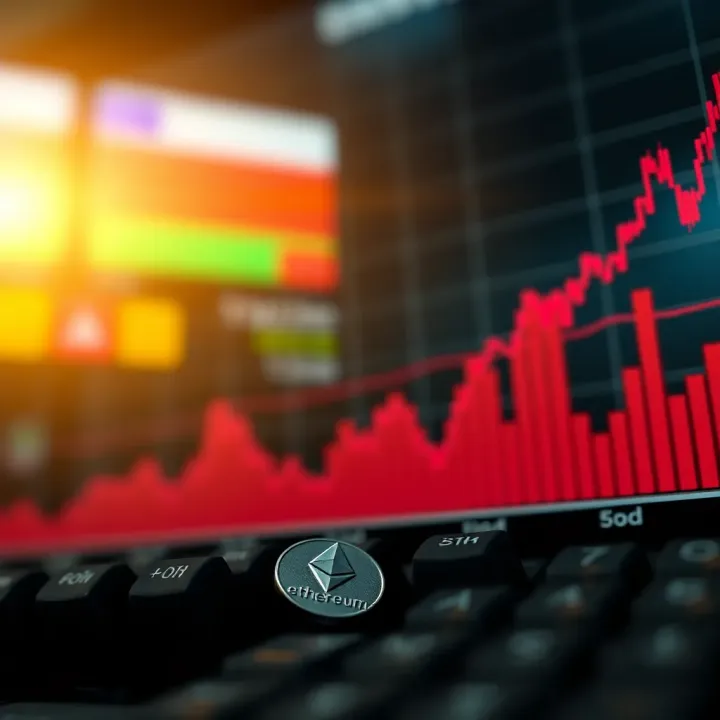
Ethereum Coin Price: Factors and Investment Insights
📈 Explore Ethereum coin price trends, key factors affecting value, market insights, and tips tailored for Indian investors navigating the crypto market confidently.
Edited By
Oliver Davies
Gold has always been more than just a precious metal in India—it is a cultural hallmark and a trusted store of wealth. For traders, investors, and financial analysts, understanding the trends that drive gold prices is key to making informed decisions. This introduction sets the stage for dissecting the factors influencing gold prices and outlines what to expect in the evolving market.
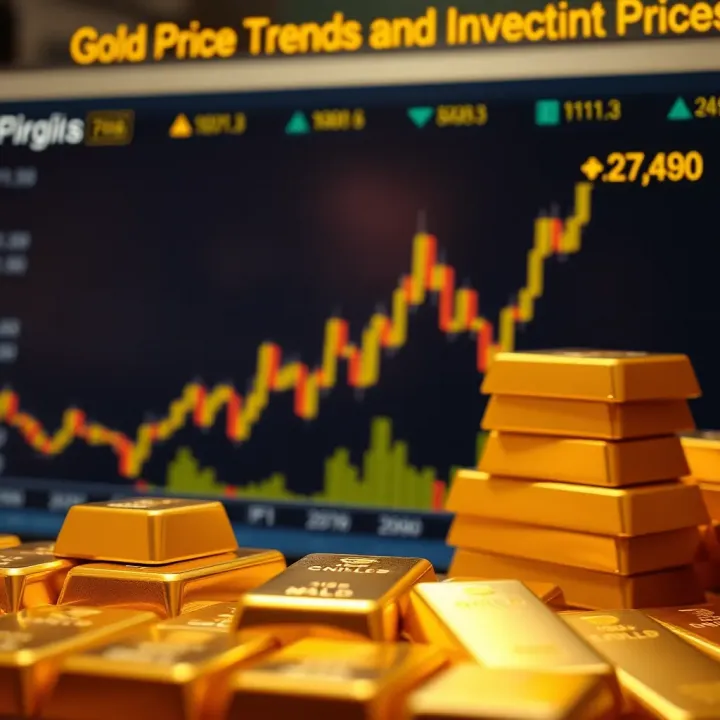
The global economic landscape shapes gold prices profoundly. Inflation rates, interest movements, and currency fluctuations often trigger shifts in the cost of gold. For instance, a depreciation of the Indian rupee against the US dollar usually results in higher gold prices locally, since gold is traded globally in dollars.
India’s gold demand, one of the largest worldwide, is particularly sensitive to domestic festivals and weddings, which traditionally boost buying. Recent fluctuations in import duties and government policies also play a significant role.
Gold acts as a hedge during economic uncertainty, making it a preferred asset when stock markets are volatile or geopolitical tensions escalate.
Global Economic Indicators: Inflation data from the US and China, Federal Reserve's interest rate decisions, and geopolitical events can cause immediate ripples in gold prices.
Currency Movements: The rupee’s strength determines how affordable gold is within India; a weak rupee drives up local prices.
Domestic Policies & Demand: Changes in import duties, tax regulations under GST, and consumer sentiment affect Indian gold purchases.
Understanding these driving forces helps you anticipate price moves and develop strategies. Whether it’s timing purchases ahead of the festive season or balancing a portfolio with gold ETFs during uncertain times, knowing what moves prices keeps you a step ahead.
This article will guide you through current trends, economic factors, and practical investment tips tailored specifically for the Indian market.
Understanding current trends in gold prices is vital for traders and investors alike. These trends reveal how global and local factors interact, shaping price movements that impact investment decisions. Staying updated helps you anticipate market shifts and adjust strategies promptly.
Gold prices have displayed volatility over the past year, influenced by fluctuating inflation rates and geopolitical tensions. For instance, in early 2024, prices showed a sharp rise due to fears of renewed trade conflicts, pushing the metal above ₹5,500 per gram in India. Yet, this was followed by a cooling period as investor sentiment shifted.
Short-term price patterns often reflect immediate economic news; daily or weekly charts reveal trends like bullish rallies or bearish corrections. Notably, gold's tendency to spike during periods of uncertain equity markets makes it a defensive asset. For example, during the downslide in the Sensex in late 2023, many investors diverted funds to gold, triggering a price surge.
Volatility also appears around major events such as RBI policy announcements or global economic data releases. Watching these can offer traders a tactical edge.
Gold rarely moves alone; comparing it with metals like silver, platinum, and palladium offers insight. Silver, often called the 'poor man's gold,' tends to be more volatile and widely used in industrial sectors, so its price can diverge from gold's.
In 2023, platinum's price lagged behind gold due to fluctuating demand from automotive industries. Meanwhile, palladium saw spikes linked to supply constraints mostly from Russia. Such differences highlight why diversification within precious metals can balance a portfolio.
For Indian investors, gold remains the preferred metal due to cultural significance and liquidity, but keeping an eye on others helps spot broader market trends.
Tracking current gold price trends alongside related metals equips you to make informed decisions, whether buying physical gold or trading derivatives.
In the following sections, we'll explore the economic and geopolitical factors driving these trends, offering a clearer picture of what shapes gold prices today.
Gold prices don’t move in isolation; they reflect deep economic undercurrents that influence investor decisions worldwide. Understanding these factors is vital for traders, investors, and analysts aiming to forecast price movements effectively. Economic forces like inflation, interest rates, and global economic trends shape gold's appeal as both a safe asset and an investment.
Inflation often pushes gold prices upward. When inflation eats into the purchasing power of currency, investors turn to gold as a store of value. For instance, during periods of high inflation in India, particularly between 2008 and 2013 when CPI inflation touched double digits, gold demand surged sharply, pushing prices higher. On the other hand, fluctuations in currency, especially the Indian rupee's strength against the US dollar, can directly affect gold's local price. A depreciation in the rupee makes imported gold costlier, thus inflating domestic gold prices. Traders watching rupee-dollar trends can anticipate short-term spikes or falls in Indian gold prices.
Interest rates set by central banks are like levers controlling gold’s demand. When the Reserve Bank of India (RBI) or the US Federal Reserve hikes interest rates, fixed-income assets become more attractive, making gold less appealing since it doesn't pay interest. Conversely, low interest rates tend to boost gold's allure. For example, the RBI’s repo rate cuts during 2020 increased liquidity and encouraged gold purchases, driving prices up. Monetary policy decisions—whether tightening or easing—signal the economic outlook and influence investors' risk appetite, affecting gold price volatility.
Global economic data such as GDP growth rates, unemployment figures, and trade balances provide clues about economic health that can sway gold prices. A slowdown in major economies like the US, China, or the Eurozone enhances gold's safe-haven status. For instance, during the 2008 global financial crisis, gold prices soared as investors sought refuge amid economic uncertainty. Furthermore, international trade dynamics and geopolitical tensions reflected in economic indicators often lead to sudden shifts in gold demand.
Monitoring these economic factors allows investors to position themselves better in gold markets, anticipating price changes and managing risks more effectively.
In summary, inflation trends, currency movements, interest rates, and global economic indicators form the backbone of gold price fluctuations. Keeping an eye on these elements helps traders and analysts develop timely investment strategies and understand gold’s behaviour within an interconnected economic environment.
Geopolitical and market events play a significant role in shaping gold prices, affecting traders and investors alike. Unlike other commodities, gold often reacts sharply to geopolitical tensions and market uncertainties, making it a preferred asset during times of unrest or instability. Understanding these influences helps investors anticipate price swings and plan their portfolios more effectively.
Political tensions and conflicts often trigger a surge in gold prices as investors rush towards safe-haven assets. For instance, the ongoing tensions between major powers like the US and China or conflicts in the Middle East have repeatedly caused spikes in gold prices. The reason is straightforward: during periods of uncertainty, currencies and stock markets face volatility, while gold maintains intrinsic value.
Consider the Russia-Ukraine conflict that began in 2022. Gold prices jumped as sanctions disrupted markets and energy prices soared globally. This reflects how quickly geopolitical risks translate into physical and financial gold demand. Traders and investors need to keep an eye on such developments worldwide, as they can cause sudden price jumps or dips.
Central banks are major players in the gold market. They hold gold reserves to bolster currency stability and hedge against inflation or other economic shocks. India’s Reserve Bank, like many others, adjusts its gold holdings based on global economic conditions and rupee strength. When central banks increase gold purchases, it often signals uncertainty about fiat currencies, pushing prices higher.
Institutional investors and funds also drive demand. Exchange-traded funds (ETFs) linked to gold made record inflows in periods of economic turbulence. For example, during the COVID-19 pandemic's peak in 2020, gold ETFs attracted huge investments as global markets nosedived. Staying updated on central bank policies and institutional buying can provide clues for traders on gold's short to mid-term direction.
Gold supply dynamics influence prices but often with a lag. Mining output, refining capacity, and geopolitical issues in supplier countries affect availability. For example, South Africa and Australia remain key producers, but strikes or regulatory changes can restrict supply.
On the other hand, logistical disruptions, such as pandemic-related transport restrictions, have recently impacted gold distribution. These supply-side constraints can tighten markets and support prices even when demand is stable.
Moreover, the cost of extraction—driven by energy prices and technological developments—affects mine production. Rising costs may reduce output, indirectly pushing gold prices up.
Understanding geopolitical events, central bank behaviour, and supply factors equips traders and investors to make informed decisions amidst gold’s price fluctuations. Watch global news, central bank reports, and mining updates to gauge where gold is headed next.
Understanding the Indian gold market is vital because India is among the largest consumers of gold globally. Gold is not just a commodity here; it carries cultural, religious, and investment significance. For traders and investors, grasping the nuances of Indian demand and pricing dynamics can enhance decision-making.
Gold purchases in India spike during specific periods due to cultural and religious practices. Festivals like Diwali, Dhanteras, and Akshaya Tritiya see a surge in demand as families traditionally buy gold for auspicious reasons. Weddings also drive massive gold buying, often accounting for nearly 50% of annual consumption, especially in states like Rajasthan and Tamil Nadu.
This seasonality means prices often climb ahead of these periods due to increased demand. For example, in recent years, gold prices typically rise 3-5% during the wedding season between November and February. Investors should watch these cycles closely since demand-driven price movements can create short-term trading opportunities or volatility.
Import duties significantly affect gold pricing in India. The government levies a customs duty on gold imports, sometimes upwards of 10%, influencing domestic prices. On top of this, Goods and Services Tax (GST) currently stands at 3% on gold jewellery and coins. Although relatively low, GST impacts the final cost for consumers.
Changes in import duty or GST rates tend to have a prompt effect on prices. For instance, when import duties were raised in 2018, retail prices surged as import costs increased. Traders monitoring policy announcements can anticipate such price shifts, especially since India relies on imports to meet about 85% of its gold demand.
Domestic jewellery makes up a large chunk of India's gold consumption, but investment demand for physical gold, such as bars and coins, is also growing. Urban areas have witnessed a rise in demand for certified gold coins offered by reputed entities like the Indian Bullion and Jewellers Association (IBJA).
Digital gold platforms have added a new dimension to investment trends. Services from companies like Paytm and PhonePe allow investors to buy small denominations of gold digitally, making investment accessible and affordable for millennials and tier-2 city residents.
The Indian gold market's complexity arises from deep-rooted cultural traditions combined with evolving investment behaviours, shaped by taxes, duties, and technology.
For traders and analysts, keeping track of these specifics can provide a clearer picture of price drivers and helps in crafting informed trading or investment strategies aligned with Indian market realities.
Forecasting gold prices is essential for traders, investors, and financial analysts aiming to make informed decisions. Predicting where gold prices will move helps in timing purchases and sales strategically, mitigating risks related to market volatility. This section focuses on understanding short-term trends, examining long-term economic models, and recognising the risks involved in price forecasts.
Short-term gold price movements are often influenced by sudden geopolitical events, central bank announcements, or sharp currency fluctuations. For instance, when the Reserve Bank of India (RBI) changes its monetary policy stance, gold prices may react within days. Similarly, unexpected developments like tensions in the Middle East or changes in US Federal Reserve's rate outlook can lead to rapid price swings. Traders should watch market sentiment, technical indicators, and daily news for signals. This volatility, while risky, can also offer short-term trading opportunities if monitored carefully.
On the long haul, economic fundamentals drive gold prices. Models factoring inflation rates, currency valuations (especially the USD index), and demand from emerging markets provide a clearer picture. For example, consistent inflation above RBI's target range could strengthen gold’s appeal as a hedge, supporting gradual price appreciation. Demand from large holders such as central banks, particularly in Asia, also influences trends. Economists often use regression models correlating gold with macroeconomic variables like interest rates and GDP growth to project price trajectories over years. These models help investors form a baseline expectation, valuable for systematic investment plans (SIP) in gold.
Despite sophisticated methods, forecasting gold prices remains uncertain. Unexpected policy shifts, global crises, or technological changes in financial markets can disrupt forecasts. For instance, rapid moves towards digital currencies or changes in mining supply can suddenly alter fundamentals. Additionally, Indian market-specific factors such as changes in import duties or GST rates introduce another layer of unpredictability. It's important to remember that models rely on past data and assumptions that may not fully capture evolving realities. Thus, forecasts should guide but not dictate investment decisions.
Accurate gold price forecasts combine data, insight, and cautious strategy. Recognising both potential and limitations enables smarter trading and investment moves.
By closely monitoring short-term fluctuations while keeping an eye on long-term economic trends, investors and traders can better navigate the gold market’s ups and downs. Careful consideration of risks enhances resilience against surprises, making gold price forecasting a practical tool rather than a perfect crystal ball.
Investing in gold requires understanding the different forms it takes and the reasons behind choosing one over another. Gold isn't just a metal for jewellery but also a strategic asset. In recent years, various investment avenues have opened, each with distinct benefits and risks. Being aware of these options helps investors, especially those in India, make more informed decisions aligned with their financial goals.
Physical gold includes jewellery, coins, and bars. It has traditionally been the preferred choice in India due to its tangible presence and cultural significance, especially during festivals and weddings. Holding physical gold offers a sense of security but comes with risks like theft and storage costs. Conversely, digital gold allows investors to buy and sell gold units electronically through platforms like Paytm or MMTC-PAMP without the hassle of physical storage. Digital gold is convenient, offers easy liquidity, and often comes with purities guaranteed by the seller. However, it lacks the emotional and cultural value physical gold holds for many Indians.
Physical gold suits those who value ownership and cultural connection, while digital gold appeals to tech-savvy investors looking for ease and flexibility.
Gold has long stood as a safeguard against inflation. When currency values dip, gold prices often rise, preserving purchasing power. For example, during India's inflation rise in 2020, gold prices climbed noticeably, helping investors protect wealth. Unlike fixed deposits whose real returns may erode with inflation, gold tends to retain or increase its value over time. This protective feature makes it a key part of diversified portfolios, especially when inflation rates in India hover between 5-7%.
Indian investors should weigh various factors before investing in gold:
Diversify your holdings: Combine physical and digital gold to balance convenience and tangible security.
Check purity and certificates: Ensure BIS hallmark certification for physical gold and trust credentials for digital platforms.
Be mindful of taxes: Digital gold attracts capital gains tax similar to physical gold, and jewellery purchases may include making charges and GST.
Timing matters: Buying during off-season periods or post-festive months can offer better price points.
Long-term perspective: Use gold as a part of long-term wealth planning rather than quick gains.
These approaches help investors make the most of gold’s strengths while managing risks effectively. Tuning investment choices to personal needs and market realities is vital for leveraging gold in one’s financial strategy.
📈 Explore Ethereum coin price trends, key factors affecting value, market insights, and tips tailored for Indian investors navigating the crypto market confidently.
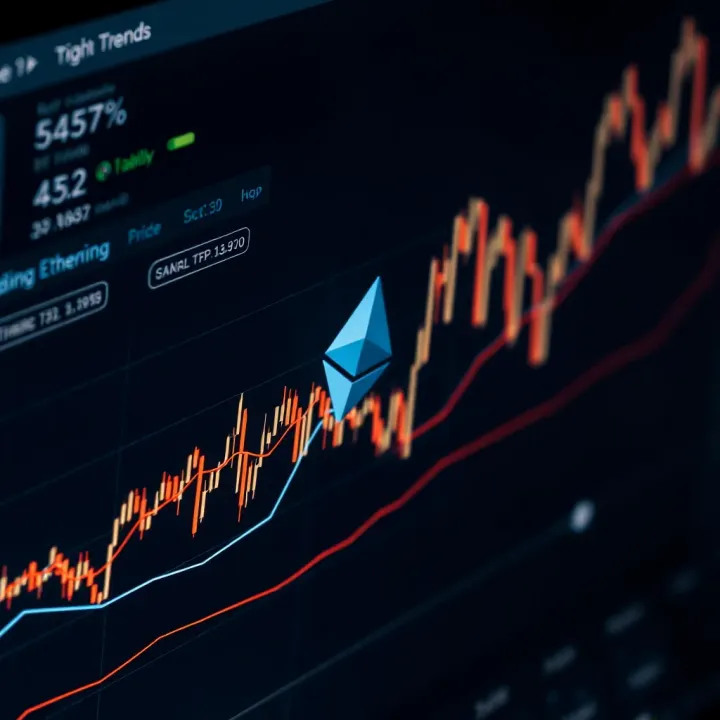
📈 Track Ethereum share price trends, market influences & investment insights for smart decisions. Understand risks & strategies around this key digital asset in India 🇮🇳
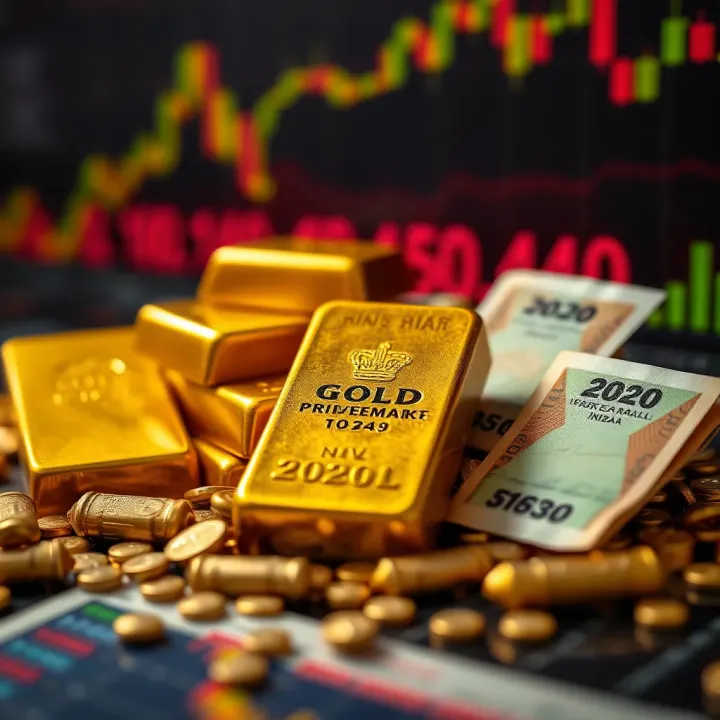
📈 Discover how gold prices in India are likely to evolve by 2030, considering economic factors, global shifts, and what it means for investors and consumers alike.
Explore Ripple (XRP) price trends 📈 with insights on tech updates, market sentiment, regulations & expert predictions for investors in India 🇮🇳 & worldwide.
Based on 14 reviews