
Gold Price Forecast in India by 2030
📈 Discover how gold prices in India are likely to evolve by 2030, considering economic factors, global shifts, and what it means for investors and consumers alike.
Edited By
Oliver Bennett
Gold and forex markets in India are showing notable shifts, influenced by several domestic and international factors. This section captures key market movements and their implications for investors, traders, and analysts.
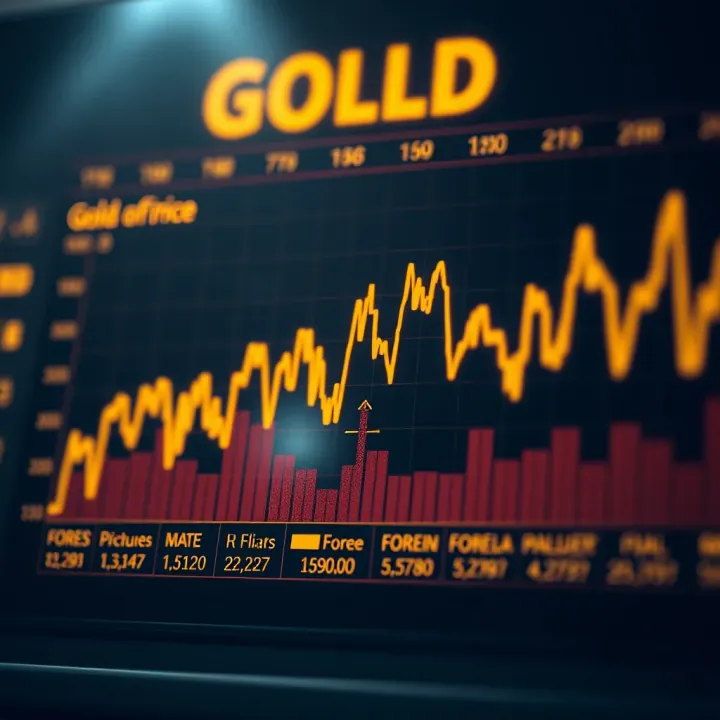
Gold prices in India have reacted strongly to global economic shifts and currency fluctuations. Recently, prices hovered around ₹5,000 per gram, slightly higher than previous weeks, driven by rising inflation fears and geopolitical tensions in regions such as the Middle East.
Three important factors shape gold prices now:
US Dollar Strength: A stronger US dollar typically puts downward pressure on gold, as it becomes costlier in other currencies like the rupee.
RBI's Monetary Policy: Interest rate decisions by the Reserve Bank of India (RBI) affect investor appetite for gold, especially in comparison to fixed deposits and other interest-bearing assets.
Global Demand and Supply: Physical demand during festivals and wedding seasons in India increases gold purchases, while mining outputs and imports moderate supply.
The Indian rupee's performance against major currencies, especially the US dollar and euro, reflects both internal economic indicators and global trade dynamics. The rupee recently slipped to around ₹83 against the US dollar, impacted by rising crude oil prices and foreign portfolio outflows.
Key drivers for forex movements include:
Crude Oil Prices: India imports over 80% of its oil, so any jump in crude costs strains the rupee.
Capital Flows: Foreign direct investment (FDI) and foreign institutional investor (FII) activity can stabilise or destabilise the rupee depending on net buying or selling.
US Federal Reserve Policy: US interest rate hikes often lead to capital being pulled from emerging markets like India, putting pressure on the rupee.
Gold and forex markets are deeply intertwined; as the rupee weakens, gold becomes more expensive locally, sometimes pushing investors towards bullion as a safe haven.
Understanding these interplays helps investors decide when to buy or sell gold or hedge forex exposure.
For traders and investors:
Monitor RBI announcements carefully for policy rate changes impacting investment returns and forex stability.
Use futures and options in commodity exchanges like MCX for hedging against gold price volatility.
Keep an eye on crude oil futures and US Federal Reserve signals to anticipate rupee swings.
This knowledge base forms the foundation for more strategic trading and investment decisions in the evolving gold and forex markets of India.
Tracking recent trends in gold prices in India is essential for investors, traders, and financial analysts who want to time their decisions well. Gold serves not just as a store of value but often reflects wider economic shifts, making these trends valuable indicators. Understanding specific elements—like daily price movements, monthly and yearly comparisons, and seasonal demand patterns—helps investors get nuanced insights rather than just headline numbers.
Daily price fluctuations in gold reflect real-time global and domestic events, currency shifts, and market sentiment. For example, in early March 2024, gold prices in Mumbai saw a sharp rise following a dip in the Indian rupee (INR) against the US dollar (USD). Traders relying on intraday movements can exploit these swings for short-term gains but should watch out for sudden geopolitical news or RBI announcements causing volatility.
Looking at recent monthly and yearly trends helps put daily variations into context. Compared to last month, gold prices have generally risen by around 2%, largely due to inflation worries persisting in the economy. Over the past year, prices appreciated roughly 8%, bolstered by factors like slower economic growth and higher demand during festival seasons. Such comparison aids long-term investors in evaluating whether gold remains an attractive hedge or if market correction might be underway.
The festivals and wedding seasons significantly pull up gold demand every year. Periods around Diwali and Akshaya Tritiya saw buyers rushing not only from metropolitan cities like Delhi and Bengaluru but also from tier-2 centres. For instance, last Diwali alone reportedly added ₹5,000 crore worth of physical gold sales nationwide. These spikes often stretch gold prices upwards, driven by cultural customs entwined with auspicious investing.

Global economic conditions weigh heavily on gold valuations. Slower growth or instability abroad, like sluggish manufacturing data from China, often pushes investors to prefer gold as a safe asset. Conversely, when economies like the US show strong recovery signals, gold prices tend to cool as risk appetite increases. Indian market participants will find it practical to track indicators like US non-farm payrolls or Eurozone GDP reports since these ripple through gold prices here.
Inflation rates and interest rate changes have a tight relationship with gold. When inflation surges, as it did recently crossing 6% year-on-year in India, gold attracts buyers wanting to preserve their purchasing power. On the other hand, when the Reserve Bank of India (RBI) raises repo rates to curb inflation, the higher returns on fixed income typically pull money away from gold temporarily. This balancing act requires traders to keep an eye on monetary policy updates.
Geopolitical tensions often foment safe-haven demand for gold. Recent flare-ups in the Middle East and US-China trade talks have driven a rush to gold globally, impacting prices in Indian markets. For investors, recognising that such factors cause sudden price jumps can inform risk management strategies; for example, locking in profits before tensions escalate, or entering the market early to benefit from a price spike.
Gold price trends in India are influenced by a mix of direct domestic factors and broader global events. Staying updated on both allows market participants to make informed, strategic moves rather than reacting to noise.
In summary: Tracking daily movements, monthly/yearly changes, and understanding sectoral demand cycles alongside global economic and geopolitical shifts enables traders and investors in India to navigate gold prices with greater confidence and precision.
Understanding forex market dynamics is essential for Indian investors and traders because currency fluctuations directly influence import-export costs, foreign investments, and even gold prices. These movements affect the rupee's value against other currencies, impacting sectors ranging from IT services to oil imports, which in turn drive inflation and corporate earnings.
USD-INR trends and influencing factors
The US dollar (USD) is the most traded currency against the Indian rupee (INR), acting as a benchmark for India’s forex market. Recently, USD-INR has seen volatility due to factors like US Federal Reserve interest rate changes and domestic economic data. For example, when the Fed tightens monetary policy, the dollar strengthens globally, often causing the INR to weaken. Traders should watch such trends closely as a higher USD-INR rate increases the cost of foreign debt and imported goods.
Euro-INR and other significant currencies
The euro-INR pair reflects India’s trade linkages with the Eurozone, which is a major export destination. Euro fluctuations arise from European Central Bank policies and geopolitical events like Brexit aftershocks or energy crises. Besides the USD and euro, currencies such as GBP, JPY, and AED are also relevant, primarily due to remittances and investments from the Indian diaspora. Awareness of these currencies helps traders manage currency risk tied to international transactions.
Impact of RBI policies on forex rates
The Reserve Bank of India (RBI) plays a vital role in stabilising the rupee through measures like adjusting interest rates, conducting forex market interventions, and setting currency swap agreements. For instance, RBI may sell dollars to curb rupee depreciation or raise repo rates to attract foreign capital. These actions directly impact forex rates and investor sentiment. Traders should monitor RBI statements and policy decisions to anticipate INR movements and manage risk effectively.
Trade balance and foreign investment flows
India’s trade deficit or surplus influences the INR value. A widening trade deficit, often because of higher crude oil imports, pressures the rupee to weaken. On the other hand, foreign direct investments (FDI) and portfolio inflows strengthen the rupee by increasing demand for INR. For example, the surge in FDI in sectors like e-commerce and renewable energy recently supported a stronger INR. Analysts need to watch balance of payments data closely to gauge forex trends.
Global interest rate trends
Interest rates in major economies shape capital flow directions. When US or European rates rise, investors may pull money out of emerging markets like India in search of safer, higher yields. This outflow can depreciate the INR. Conversely, if India increases its rates relative to others, it may attract foreign capital, supporting the rupee. Understanding these global trends helps investors plan forex exposure and borrowing strategies.
Effect of international events and crises
Events like geopolitical tensions, global pandemics, or commodity shocks create uncertainty that often triggers forex volatility. For instance, tensions in the Middle East can spike crude oil prices, increasing India’s import bill and weakening the INR. Similarly, global crises may drive investors towards safe-haven currencies like the USD and gold. Traders and investors should factor in these events to adjust portfolios and hedge currency risks appropriately.
Staying updated on forex market dynamics equips investors with the ability to anticipate currency shifts and protect their investments from unexpected swings.
Key aspects to track include central bank policies, trade figures, and global economic indicators.
Practical awareness of currency pairs helps in optimising trading and hedging strategies.
By keeping an eye on these factors, Indian traders and investors can navigate forex markets with greater confidence and improve their decision-making in a globally intertwined economy.
Understanding the link between gold prices and foreign exchange (forex) rates is essential for investors and traders in India. The interplay influences how gold, priced in US dollars globally, reacts to fluctuations in the Indian rupee (INR). This connection offers practical insights for portfolio management and risk assessment.
INR depreciation and gold price rise: When the Indian rupee weakens against the US dollar, gold prices in India usually increase. Since gold is traded internationally in USD, a weaker INR means it costs more rupees to buy the same quantity of gold. For example, if the USD-INR exchange rate moves from ₹75 to ₹78, gold priced at $1,800 per ounce will cost ₹1,40,400 instead of ₹1,35,000. This effect is especially noticeable during periods of domestic currency volatility or inflationary pressures, prompting investors to seek gold as a hedge against currency risk.
Impact of USD strength on global gold prices: Globally, when the US dollar strengthens, gold prices tend to fall. A strong USD raises the opportunity cost of holding non-yielding gold, causing demand to drop and prices to decline. Conversely, a weaker USD makes gold more affordable across other currencies, boosting its appeal. For Indian investors, this means that global USD trends directly affect gold’s international price, alongside local currency fluctuations. Recently, US Federal Reserve rate hikes have kept the dollar robust, weighing on gold prices even as INR fluctuates.
Portfolio diversification strategies: The different behaviours of gold and forex assets help diversify investment portfolios. Gold often moves inversely to currency strength and stock markets, providing a cushion during economic uncertainty. For instance, during periods when the INR depreciates and stock markets decline, holding gold can reduce overall portfolio volatility. Investors can balance their exposure between physical gold, sovereign gold bonds, and foreign currency holdings to optimise returns and reduce risks.
Risk management in volatile markets: The correlation between forex rates and gold prices means investors must actively monitor currency movements alongside commodity markets. Tools like forward contracts or currency futures can hedge forex risks, protecting gold investments from sudden INR swings. Traders in particular should pay attention to geopolitical developments and RBI monetary policy changes, as these can trigger rapid shifts in both forex and gold markets. Effective risk management requires combining market analysis with timely decision-making to safeguard capital.
Investors who ignore the currency-gold nexus might face unexpected losses. Keeping a close eye on exchange rates can improve timing for gold purchases or sales, especially in India’s import-heavy market.
In short, a clear grasp of how forex dynamics impact gold prices equips traders and investors to navigate these intertwined markets more confidently and profitably.
This section brings practical tips tailored for investors and traders dealing with gold and forex markets in India. Given the volatility and unique factors affecting these markets, having clear guidance helps navigate risks and make informed choices. Whether you are a seasoned trader or someone stepping into gold investments, these pointers clarify the options and considerations.
In India, investors can choose physical gold in forms like jewellery, coins, or bars. However, buying physical gold involves storage and purity concerns. Digital gold offers a safer alternative. Platforms like Paytm Gold and Amazon Pay allow purchasing gold digitally, backed by real gold stored securely. This option suits small or frequent purchases and avoids the hassle of safekeeping.
When buying gold, check the current purity standards and prefer hallmarked jewellery to avoid fraud. Sellers and buyers must factor in making charges and GST of 3% on jewellery but not on coins or bars. Market timing also matters; for instance, prices usually rise ahead of festivals like Diwali and wedding seasons, so speculative buying can affect returns. Selling gold can be influenced by local demand variations, so consider avenues like banks or trusted digital platforms for smooth transactions.
Gold often acts as a hedge against inflation, preserving value when the rupee weakens due to rising prices. That said, gains from gold held over 36 months get long-term capital gains (LTCG) tax benefits with indexation, helping reduce tax liability. For short-term holdings, gains are added to regular income and taxed accordingly. Understanding these tax rules helps investors decide on holding periods and selling strategies to maximise returns.
Forex trading in India is regulated tightly by the Reserve Bank of India (RBI) and Securities and Exchange Board of India (SEBI). Retail investors can trade currency pairs on recognised platforms like the National Stock Exchange (NSE) and Multi Commodity Exchange (MCX). Investing through authorized brokers ensures compliance with guidelines and access to secure transactions. Note that off-market forex trading or exposure beyond limits can attract penalties.
Businesses dealing in imports or exports face currency risk due to INR fluctuations. Using timely currency conversion or forward contracts can lock exchange rates, reducing uncertainty. For travellers, prepaid forex cards or online currency purchases at competitive rates help avoid unfavorable conversions. Planning currency needs ahead, especially during uncertain market phases, is key to managing costs.
Forward contracts let you agree on a currency exchange rate today for a future date, protecting against sudden forex rate swings. This tool is useful for companies with predictable foreign payments or investors expecting currency volatility. Hedging through options or futures contracts provides flexibility but requires understanding market conditions to avoid excessive costs. Hence, consulting with financial advisors or currency specialists is advisable for customised hedging strategies.
Staying aware of local regulations, tax implications, and market trends is essential. Practical trading advice not only prevents avoidable losses but also helps optimise returns in these fluctuating markets.
📈 Discover how gold prices in India are likely to evolve by 2030, considering economic factors, global shifts, and what it means for investors and consumers alike.

📈 Learn how Indian traders can time forex trades effectively by analysing sessions, currency trends, volatility, and economic events for smarter decisions in the forex market.
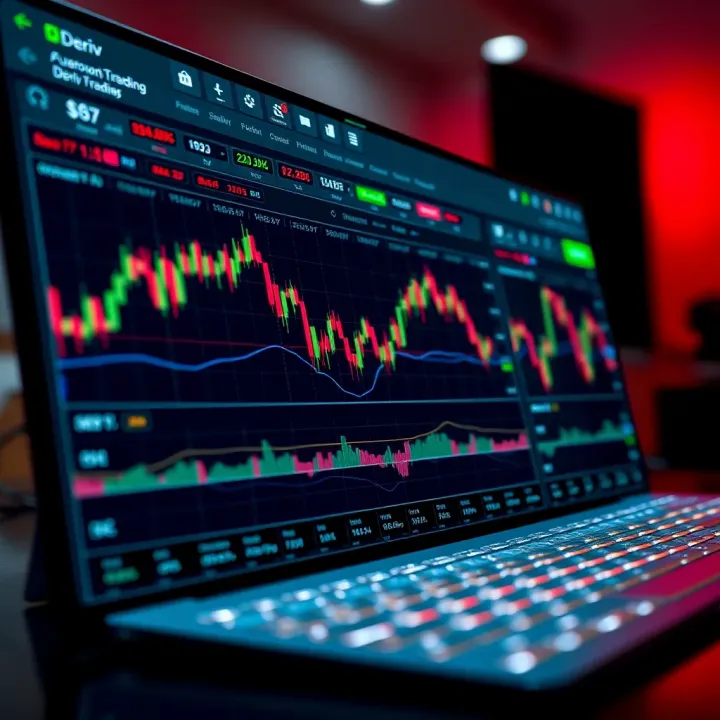
Explore Deriv's forex trading platform tailored for Indian traders 🇮🇳. Learn trading tools, risk management, regulations, and tips to trade currencies confidently ₹.

📊 Know the forex market opening times in India to trade smartly. Learn how global sessions influence markets and get tips to seize every opportunity effectively. 🌏
Based on 11 reviews