

Understanding Demo Trading Websites for Indian Traders
Explore demo trading websites to practise strategies risk-free 📈. Learn key features, top platforms & drawbacks to boost your trading skills in India 🇮🇳.
Edited By
Benjamin Foster
Forex trading involves buying and selling currencies with the aim of making a profit from fluctuations in exchange rates. Deriv offers a forex trading platform tailored to both beginners and seasoned traders, including those in India, where interest in currency markets is growing steadily.
Unlike traditional stock trading, forex trading happens 24 hours a day, five days a week, making it flexible for users who want to trade outside regular market hours. Deriv's platform provides access to major currency pairs such as USD/INR and EUR/USD as well as minor pairs, helping traders diversify their portfolios.

Key features of Deriv's forex platform include an intuitive interface, real-time charts, and various order types like market, limit, and stop orders—tools essential for effective market entry and exit. Indian traders can start with a modest deposit and practise with virtual funds before committing real capital.
Risk management is vital in forex trading; Deriv supports this through built-in stop-loss and take-profit options to protect investments.
Among other important considerations, Deriv complies with international regulatory standards, providing necessary security and transparency. Indian users should also factor in regulatory requirements from the Securities and Exchange Board of India (SEBI) and track changes in foreign exchange rules by the Reserve Bank of India (RBI).
For Indian traders, understanding currency pair volatility, impact of economic indicators like India's GDP growth or inflation, and international events is crucial to trade wisely. Learning to use tools on Deriv effectively, backed by sound market knowledge, can help avoid common pitfalls.
In summary, Deriv offers a platform that balances simplicity and advanced features, well suited for anyone wanting to tap into forex trading from India. With proper strategy and risk control, users can potentially benefit from price movements in global currencies.
Starting with a clear introduction to forex trading on Deriv helps you grasp how the platform suits your trading needs. This section sets the stage by explaining what forex trading entails and why Deriv stands out as a choice for Indian traders. Understanding the basics and the platform’s features facilitates informed decisions, making your trading experience more practical and rewarding.
Forex trading involves buying one currency while selling another, reflecting their relative values. Imagine you’re exchanging Indian rupees for US dollars before a business trip. The rates fluctuate based on economic factors, supply-demand balance, and geopolitical events. Traders aim to profit by predicting these changes, for instance, buying dollars when expecting the rupee to weaken.
Currency exchange is fundamental to international trade and travel. It also allows investors to tap into global markets without physically moving money across borders. The scale is huge—forex is the world’s largest financial market, with daily trading volume exceeding $6 trillion.
Forex markets operate 24 hours a day during weekdays, running across major financial centres worldwide—Tokyo, London, New York. This continuous cycle means opportunities arise at all times, including for Indian traders after local market hours.
Price movements in forex are driven by economic reports, interest rates, trade balances, and political developments. For example, a decision by the Reserve Bank of India (RBI) to adjust interest rates can sharply shift the INR’s value against other currencies. Traders monitor news and charts closely to make timely decisions in this fast-moving environment.
Deriv offers a user-friendly interface tailored to both beginners and experienced traders. The platform supports multiple trading modes, including real-time pricing and automated strategies. Its responsive design works well on mobiles and desktops, crucial for traders who want to keep an eye on markets anytime.
One standout feature is Deriv’s demo account, allowing you to practise without risking real money. This is especially beneficial for freshers eager to build confidence before live trading. Plus, Deriv offers transparent pricing and a range of educational resources, fitting the needs of Indian traders looking for reliable platforms.
Deriv provides a variety of instruments beyond standard forex pairs. Besides classic currency pairs like USD/INR, EUR/USD, you can trade commodities, indices, and synthetic indices that simulate market behaviour. This diversification helps manage risks by spreading exposure across different assets.
For example, if you notice volatility in currency markets, you might choose to trade synthetic indices that offer stable trends. The ability to switch between instruments on one platform saves time and keeps you flexible, enabling strategies that match market conditions and personal risk appetite.
Getting familiar with Deriv’s forex trading basics and features sets the foundation for effective trading. This knowledge lets you use the platform confidently while understanding market dynamics better than many new traders.
Understanding how forex trading operates on Deriv is key for traders aiming to make informed decisions. This section covers the practical steps involved in executing trades and highlights the platform’s specific tools that support effective trading.

Choosing currency pairs is your first move in forex trading on Deriv. Currency pairs represent the value of one currency compared to another, like USD/INR or EUR/USD. Selecting the right pairs depends on your market knowledge, volatility preference, and trading strategy. For example, if you follow global economic news closely, trading major pairs like USD/EUR might offer more predictable patterns. Meanwhile, Indian traders might prefer pairs involving the Indian Rupee due to easier access to related economic data.
Deriv offers a wide range of currency pairs, including majors, minors, and some exotic pairs. This variety allows traders to diversify portfolios or focus on currencies they understand better. The choice of pair impacts spreads, liquidity, and risk, so it’s important to select pairs aligning with your risk appetite and trading goals.
Understanding leverage and margin on Deriv is crucial before placing trades. Leverage lets you control a larger trade value with a smaller deposit, called margin. For instance, with 1:50 leverage, putting up ₹2,000 lets you trade ₹1,00,000 worth of currency. While leverage may boost profits, it also magnifies losses. Deriv allows you to adjust leverage settings based on the currency pair and your risk tolerance.
Margin is essentially a security deposit that ensures you can cover losses. If the market moves against your position beyond your margin amount, your trade may be closed automatically. It's wise to monitor margin levels closely and use stop-loss orders to avoid sudden, large losses.
Deriv provides two main interfaces: SmartTrader and DTrader. SmartTrader is user-friendly, ideal for beginners wanting to execute trades quickly with minimal fuss. It features straightforward order placement and easy navigation. DTrader, by contrast, offers advanced charting tools and flexible order types, suitable for experienced traders who prefer detailed analysis.
Both platforms support seamless switching between currencies and trade types, so you can tailor your setup. For example, a day trader might use DTrader’s chart overlays to spot entry points, while a casual user might stick to SmartTrader for quick trades.
Charts, indicators, and signals play a big role in forex trading. Deriv's charting tools include candlestick patterns, moving averages, and RSI (Relative Strength Index) indicators. These help identify trends, potential reversals, or overbought/oversold conditions.
Trading signals, either generated by the platform or third-party providers, can alert traders to buy or sell opportunities. However, these signals should not be relied upon blindly. Consider them as one piece of the puzzle alongside your own analysis and current market conditions. For example, an RSI value of over 70 might signal overbought conditions, suggesting a potential drop in price.
Effective use of Deriv’s trading tools can enhance decision-making, helping you manage risk and identify opportunities in volatile forex markets.
Overall, knowing how to place trades properly and using available tools wisely increases your chances of success on Deriv’s forex platform.
Trading forex on Deriv comes with a mix of advantages and drawbacks, especially for Indian users. Understanding these helps traders make informed choices and manage expectations effectively. While Deriv offers user-friendly access and diverse currency options, it’s vital to be aware of market volatility and regulatory factors that can affect trading.
Deriv’s platform is designed for simplicity without compromising on features, making it suitable for both rookies and experienced traders in India. Opening an account is straightforward; you can fund it through popular Indian payment methods like UPI, net banking, or digital wallets such as PhonePe and Google Pay, which makes the process smooth and quick.
The user interface on Deriv is intuitive. For example, the SmartTrader and DTrader applications offer clear charts and handy tools without overwhelming users with too many options. This helps Indian traders, even from tier-2 or tier-3 cities, to start trading forex without needing specialised knowledge or software.
Deriv supports a broad selection of currency pairs, including majors like EUR/USD and GBP/USD alongside emerging market pairs such as USD/INR. The availability of INR-linked pairs is particularly beneficial for Indian traders looking to trade in familiar currency brackets without converting through intermediary currencies.
This variety gives traders flexibility to diversify their portfolio and react to market trends worldwide. For instance, if a trader wants to capitalise on the economic shifts in Asia, they can focus on pairs like USD/JPY or AUD/USD offered on Deriv, aside from regular USD/INR trades.
Forex markets are inherently volatile, and Deriv trading is no exception. Currency values can swing dramatically within minutes, owing to global economic releases, geopolitical tensions, or unexpected events. This unpredictability can lead to quick gains but also significant losses.
For example, sudden RBI announcements or changes in India’s trade policies can cause sharp moves in the USD/INR pair. Traders on Deriv must closely monitor such events and use risk management tools like stop-loss orders to limit exposure.
Remember, while leverage offered by Deriv can amplify profits, it equally magnifies losses. Careful management is essential to avoid heavy setbacks.
India has strict rules regarding forex trading, mostly limiting overseas currency trading to authorised entities. Deriv is an international platform and is not regulated by Indian authorities like the Securities and Exchange Board of India (SEBI). This implies Indian traders technically engage with offshore forex markets, which carries regulatory risks.
While Deriv complies with regulations in other jurisdictions, Indian users should be cautious and ensure compliance with domestic laws, including paying taxes on profits and avoiding unregulated forex schemes. Consider consulting financial advisors to navigate these legal intricacies responsibly.
Balancing the benefits and risks linked with Deriv’s forex trading is essential. Accessibility and multiple currency options offer good opportunities, but staying mindful of volatility and regulation is key for success in the Indian context.
Understanding the regulatory and legal framework is vital for anyone trading forex on Deriv from India. This ensures not only compliance with local laws but also helps traders recognise the protections and limitations involved. Since forex trading involves currency exchange across borders, knowing what regulations apply directly affects your trading experience and legal standing.
The Reserve Bank of India (RBI) governs all foreign exchange transactions in the country. Its main focus is to maintain stability in the rupee's value and prevent illegal or speculative forex activities. For Indian traders, this means forex trading is restricted to currency pairs that include the Indian rupee (INR) and certain approved international currencies.
For instance, trading currency pairs like USD/INR or EUR/INR is legal under RBI guidelines, but trading pairs without the INR, such as EUR/USD, typically aren't allowed for domestic residents. This restriction is meant to control capital flight and protect the Indian economy. Therefore, when you trade forex on Deriv, it’s important to check that your trading does not violate these rules, or else you could face regulatory action.
Apart from the RBI, the Securities and Exchange Board of India (SEBI) also plays a role in supervising forex trading activities. SEBI’s jurisdiction primarily covers derivatives trading on recognised stock exchanges involving currency futures and options, in line with RBI’s policies.
SEBI mandates that forex trading must happen through registered brokers and on approved exchanges to ensure transparency and prevent fraud. If you trade forex contracts off-exchange or with unregulated entities, it might contravene SEBI rules. Hence, Indian traders should verify that Deriv or any platform they use follows SEBI guidelines to avoid legal complications.
Deriv operates with licences from various international regulators, ensuring it adheres to strict standards for transparency and fairness. For example, Deriv holds licences from entities like the Malta Financial Services Authority (MFSA) and the Vanuatu Financial Services Commission, which adds to its credibility.
While Deriv does not have direct permission from Indian authorities, its offshore licensing enables Indian users to trade within the platform's terms. However, as Deriv caters globally, it complies fully with the laws of the jurisdictions it serves. Indian traders should remain mindful that Deriv itself is not regulated by RBI or SEBI, so they trade forex on Deriv at their own risk and should exercise due caution.
Deriv prioritises user security with measures such as two-factor authentication (2FA), SSL encryption, and secure deposit and withdrawal processes. These features protect your account from unauthorised access and safeguard your funds during transactions.
Additionally, Deriv maintains segregated client accounts to keep your money separate from the company’s operational funds. This adds a layer of protection, ensuring client money isn’t used for other purposes. Users should also regularly update their passwords and avoid sharing login details to further enhance security.
Indian traders dealing with forex must stay aware of RBI and SEBI regulations while using platforms like Deriv. Understanding these rules helps avoid legal hassles and safeguards your investments effectively.
In summary, regulatory awareness paired with sensible use of Deriv’s security features can help Indian traders create a safer and more compliant forex trading experience.
Starting forex trading on Deriv can be smooth if you understand the basic steps and precautions. This section covers practical tips to help Indian traders open accounts, fund them, and craft trading strategies while managing risks effectively. Knowing these aspects upfront reduces common pitfalls and enhances the chances of success.
Deriv offers different account types catering to varying trader experience and investment levels. For Indian users, there are demo accounts to practice and real accounts to trade live. The real accounts include options like Synthetic Indices and Forex Trading Accounts where you can access currency pairs with leverage. Choosing the right account depends on your risk appetite and trading style. For example, beginners may start with demo accounts before moving to real trading accounts.
Funding your Deriv account is straightforward for Indian traders. Deposits can be made via local methods such as net banking, UPI-based wallets like PhonePe or Google Pay, and international options including Visa, Mastercard, or e-wallets like Skrill. Withdrawals support similar options, ensuring convenient access to your funds. Remember, Deriv processes withdrawals promptly, but bank transfer times vary based on your bank's policies. Such multiple payment channels help Indian traders fund their accounts quickly without unnecessary hassle.
Practising on Deriv’s demo accounts is vital before committing real money. These accounts mirror live market conditions, letting you test trading strategies without financial risk. For instance, you can try trading major currency pairs like EUR/USD or GBP/INR to understand price movements and platform functions. Refining strategies here saves money and builds confidence for live trading.
Managing leverage carefully is essential since forex trading on Deriv often involves leveraged positions. Leverage lets you control larger amounts with a smaller deposit but can amplify losses too. Indian traders should use moderate leverage and set stop-loss orders to limit risks. For example, if you buy USD/INR at 75 with leverage, placing a stop-loss at 74.5 ensures you exit the trade if the market moves against you, capping potential losses. Risk management tools like stop-loss are practical shields against sudden market swings, especially in volatile currency markets.
Starting with a demo account and managing leverage wisely are practical steps that protect your capital and improve trading skill on Deriv.
By following these foundational tips, Indian traders can approach Deriv’s forex trading platform confidently and responsibly. The idea is to combine knowledge with smart risk controls from the very beginning.
Explore demo trading websites to practise strategies risk-free 📈. Learn key features, top platforms & drawbacks to boost your trading skills in India 🇮🇳.
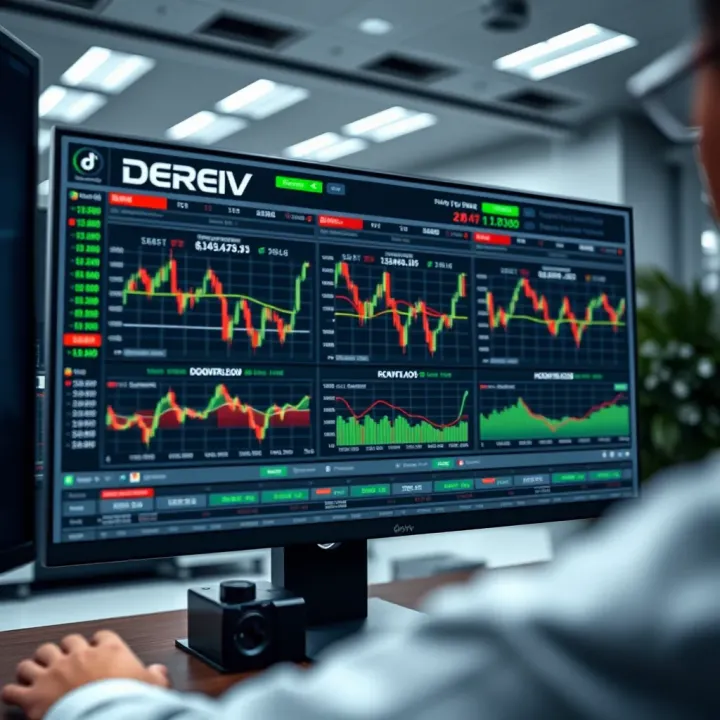
Explore Deriv, a global trading platform offering CFDs, forex, and more. Learn about its features, regulation, and benefits for Indian traders 📈💹
Explore RBI's legal rules for forex trading in India 📊 Learn about authorized dealers, transaction types, compliance, and what happens if you don't follow the law 🇮🇳

Explore Quotex India 🇮🇳 in detail: platform features, easy registration, trading choices, payment methods, and legal tips for safe, smart trading online 📊
Based on 13 reviews