
AUD to USD Forecast: Key Trends and Market Outlook
📈 Discover the AUD to USD forecast! Explore key economic indicators and market trends shaping the exchange rate for traders, investors, and businesses alike.
Edited By
Isabella Wright
Gold remains a go-to asset for Indian investors, especially in times when economic uncertainty looms. This article breaks down what to expect from gold prices in the upcoming week, based on a mix of global economic data, geopolitical tensions, and technical market signals.
Gold prices don't move in isolation. They respond to factors like US inflation numbers, dollar strength, and developments in global trade. For example, if the US Federal Reserve signals a pause on rate hikes, gold often gains support as borrowing costs ease for investors. On the flip side, a stronger US dollar tends to weigh on gold prices since it makes bullion more expensive in other currencies, including the rupee.
Geopolitical events also cast a long shadow over gold. Rising tensions in regions like the Middle East or Eastern Europe can drive safe-haven demand. Just recently, conflict flare-ups have sparked short-term price spikes. Indian investors should note how these international developments reflect in domestic demand and import costs, especially as India's gold imports affect the trade deficit and rupee value.
Beyond global factors, technical trends in the domestic gold market are critical. Charts often reveal price zones where buying or selling pressures intensify. Traders watch key levels such as ₹52,000 per 10 grams for spot gold, which acts as resistance or support depending on market sentiment. Volume patterns, moving averages, and Relative Strength Index (RSI) readings further guide entry and exit decisions.
Monitoring both fundamental and technical cues equips traders and investors with a well-rounded understanding of gold's short-term direction and risk points.
To sum up, your weekly gold outlook should consider:
How global economic indicators like GDP growth and inflation influence US dollar and interest rates
Geopolitical developments impacting risk appetite and safe-haven demand
Technical price indicators and volume trends on Indian exchanges like MCX
Domestic factors including festival season demand, import duties, and rupee fluctuations
Through these lenses, you can shape trading strategies or investment plans that align with market realities rather than speculation. This approach especially suits those seeking to optimise gains or limit downside in gold trading or portfolio diversification.
Understanding the current gold market is essential for anyone looking to navigate this volatile asset. This section offers a snapshot of recent price behaviour and the broader forces influencing gold, providing a solid foundation before making any trading or investment decisions. For example, last week's sharp price swings around ₹48,000 per 10 grams reflected changing dynamics between inflation expectations and currency strength, which traders should watch carefully.
Last week's price action showed gold fluctuating within a defined band, with brief surges triggered by weak US dollar data. Notably, gold crossed ₹48,500 briefly but faced selling pressure near that level as profit-taking increased. This sort of movement highlights the short-term volatility that traders can exploit with well-timed entry and exit points.
Support and resistance levels act like invisible walls for price movement. Key support for gold currently lies around ₹47,800, where buying interest has repeatedly appeared, protecting further decline. Resistance zones near ₹48,500 to ₹48,700 mark crucial points where sellers step in. Keeping an eye on these helps traders anticipate potential breakouts or reversals, reducing surprises.
The US dollar plays a major role in gold pricing worldwide. Since gold is priced in dollars, a stronger dollar generally makes gold costlier for buyers using other currencies, causing demand to drop, and vice versa. Last week, a slip in dollar index from 103 to 102 sparked renewed interest in gold from investors outside the US, pushing prices higher.
Inflation data and interest rate expectations also steer gold's direction. Rising inflation tends to boost gold as a hedge against currency erosion. Conversely, hikes in interest rates increase bond yields, making gold less attractive as it offers no yield itself. India's RBI decisions and US Federal Reserve policy updates coming this week could tilt gold prices either way, so monitoring these closely is advisable.
Geopolitical tensions add another layer to gold's appeal as a safe haven. For instance, ongoing trade frictions and regional unrest often push investors towards gold to protect portfolios. Recent flare-ups in the Middle East created brief spikes in gold demand, reflecting wider market anxiety. Traders and investors should track these developments since sudden geopolitical risks tend to drive quick price jumps.
Understanding these current market factors helps you make informed decisions, whether you wish to hedge risks or capitalise on gold price movements.
The technical outlook offers a snapshot of gold's price trajectory based on charts and market data. For traders and investors, this section is key because it helps anticipate short-term movements and spot entry or exit points. Unlike macroeconomic factors that unfold slowly, technical indicators can signal shifts in momentum or trend direction within days or even hours.
Moving averages and trend lines provide a simple yet effective way to gauge gold's recent price behaviour. For example, the 50-day moving average smooths out daily price fluctuations to show the broader trend. If gold crosses above this average, it's often a bullish sign indicating upward momentum. Conversely, drops below the 200-day moving average could hint at weakening strength. Trend lines drawn by connecting recent highs or lows reveal support and resistance levels, guiding traders on where gold might bounce or face hurdles. These are especially useful during volatile phases when price swings are sharp.
Relative strength index (RSI) and momentum indicators give insight into how strong the current price movement is and whether gold is potentially overbought or oversold. An RSI above 70 typically warns that gold may be overbought and could see profit-taking soon. If the RSI dips below 30, the market might be oversold, presenting a buying opportunity. Momentum readings that align with moving averages enhance confidence in the trend's strength. For example, rising gold prices combined with increasing momentum imply sustained buying interest.
Chart patterns signalling potential breakout or reversal offer visual clues about upcoming turning points. Patterns such as ascending triangles or head-and-shoulders can predict whether gold will break past resistance or reverse course. Take an ascending triangle formation where gold prices keep hitting the same resistance but make higher lows – this often precedes a bullish breakout. Meanwhile, a double top pattern might warn of a bearish reversal after persistent price failure at a certain level. Recognising these patterns early helps traders position themselves advantageously.
Bullish scenario outlook hinges on sustained breakouts above key resistance zones confirmed by strong volume and momentum. Should gold move above the 50-day and 200-day moving averages with RSI comfortably below overbought levels, there could be room for further gains. For example, if gold advances past ₹50,000 per 10 grams with positive technical signals, short-term traders might gear up for fresh buying. Coupling this with supportive global cues like weaker dollar or rising inflation expectations, the bullish case strengthens.
Bearish risks and caution points emerge when gold falters near resistance or shows weakening momentum despite higher prices. Watch for bearish divergences where price rises but RSI trends lower — this often signals impending pullbacks. Another red flag is when gold breaks below crucial trend lines or long-term moving averages, especially during subdued volumes. For instance, a slip under ₹48,000 per 10 grams amid waning RSI could prompt traders to tighten stop-loss orders. Keeping an eye on technical alerts like these can prevent avoidable losses during sudden reversals.
Technical analysis does not guarantee results but serves as a valuable tool to inform decisions amid gold's ever-changing market conditions.
By combining these indicators and patterns, traders can form a balanced view and adopt strategies aligned with current price dynamics. This week, tracking key levels and momentum shifts will be crucial to navigating gold's performance in a complex global context.
Gold prices often react sharply to macroeconomic and geopolitical events, making these factors essential for traders and investors to watch closely. Changes in inflation, central bank policies, employment figures, and geopolitical tensions can move gold markets significantly. Understanding these triggers helps market participants position their trades and investments more effectively.
Inflation reports from major economies like the US, Eurozone, and India directly influence gold's appeal as an inflation hedge. For example, if US inflation numbers exceed expectations, investors may rush to gold, pushing its price up. Conversely, subdued inflation might reduce safe-haven demand. Since inflation impacts real interest rates, which determine the opportunity cost of holding gold, these reports offer practical clues about potential price movements.
Central bank policy updates, particularly from the Reserve Bank of India (RBI) and the US Federal Reserve (Fed), shape gold prices through interest rate changes and broader monetary policy signals. If the Fed signals a tightening cycle or raises rates, gold typically falls as higher yields make non-yielding gold less attractive. On the other hand, dovish stances tend to boost gold demand. RBI’s decisions also matter, especially given the rupee's sensitivity to monetary shifts, influencing local gold prices in India.
Employment and manufacturing data reveal the health of major economies, affecting risk sentiment and gold demand. Strong employment figures often reduce gold's safe-haven appeal as investors favour equities and risk assets. Likewise, robust manufacturing data signals economic growth, potentially lowering gold prices. Poor data usually has the opposite effect. Traders monitor these indicators to anticipate shifts in gold’s market dynamics.
Regional conflicts can raise uncertainty, leading investors to flock to gold for safety. For instance, recent border tensions between countries like India and China often trigger temporary gold price spikes in India. Such conflicts create risk-off environments, increasing demand for gold as a refuge amid instability.
Trade tensions and global market sentiment also influence gold demand. When major economies impose tariffs or engage in trade disputes, markets tend to wobble, causing safe-haven buying. The US-China trade war impact on gold prices is a recent example. Moreover, negative global investor sentiment often results in fund inflows to gold ETFs, supporting prices. Understanding these relationships helps traders manage positions during volatile geopolitical periods.
Keeping an eye on macroeconomic data alongside geopolitical developments is vital. These elements inform your trading strategy and help avoid surprises in the gold market.
Gold holds a special place in India's financial and cultural landscape. It is not just an investment but a symbol of wealth, tradition, and social status. Understanding demand patterns and local market specifics is essential, especially for traders and investors aiming to gauge price movements accurately.
The impact of the festive season and wedding periods on gold demand is significant. Festivals such as Diwali and Dussehra trigger a surge in buying as many families purchase gold jewellery for auspiciousness or gifting. Similarly, the months leading to the wedding season (usually from September to February) often see heightened demand from jewellery buyers across tier-1 and tier-2 cities. Prices typically reflect this trend, with a noticeable rise due to increased retail purchases. For traders, keeping an eye on these seasonal spikes helps anticipate short-term price rallies.
Investment trends among Indian households also play a significant role in shaping the gold market. Beyond jewellery, there has been growing interest in gold as a financial asset, especially through sovereign gold bonds (SGBs) and gold exchange-traded funds (ETFs). These options appeal to urban investors looking for liquidity and safety without the hassles of physical storage. Retail buyers in smaller towns still prefer physical gold due to trust and tradition, but changing demographics and financial literacy are gradually shifting preferences towards paper gold instruments.
The close correlation between rupee fluctuations and gold prices cannot be overlooked. A weakening rupee generally pushes gold prices higher in India, as imports become costlier. For example, if the rupee slips from ₹75 to ₹77 against the US dollar, gold imports priced in dollars would cost more in rupees, pushing local prices up even when international prices remain stable. Investors and traders should monitor the USD/INR currency pair closely to anticipate these effects.
Import duties and government regulations further influence gold’s price and availability. Currently, the Indian government levies an import duty on gold, which adds to the landed cost. Changes in import duty rates or customs procedures can cause sudden price adjustments. For instance, if import duty increases from 10% to 12.5%, it directly raises retail gold prices. Additionally, regulations related to anti-money laundering (AML) and Know Your Customer (KYC) have tightened trading norms in recent years, affecting ease of buying and selling. These factors are crucial for market participants to factor into their risk assessment and timing of trades.
Keeping an eye on India-specific trends and policies allows traders and investors to react swiftly, balancing between global cues and local market realities.
Effective investment strategies are key for gold traders aiming to navigate the ups and downs of this volatile market. Understanding risk management, position sizing, and exploring derivative instruments can help safeguard capital and enhance returns. This section breaks down practical tips to manage exposure and capitalise on gold's price movements with discipline and insight.
Setting stop-loss and target levels is a vital part of trading discipline. A stop-loss caps potential losses by automatically triggering a sale if the price falls to a certain point, protecting your capital from steep declines. For example, if you buy gold at ₹50,000 per 10 grams, setting a stop-loss at ₹48,500 limits loss to ₹1,500 per 10 grams, helping you avoid emotional decision-making. Targets similarly help lock in profits by triggering sales once desired price levels are reached.
Balancing gold holdings within a diversified portfolio reduces overall risk. While gold is a safe haven during uncertain times, holding too much can limit growth potential since it generally offers lower returns compared to equities or real estate. For instance, allocating between 5-15% of your total investment in gold can protect your portfolio during volatile phases without compromising long-term gains. Diversification across asset classes smooths out returns and cushions shocks from sudden price fluctuations.
Gold futures and options offer strategic possibilities beyond physical holdings. Futures contracts allow you to buy or sell gold at a predetermined price on a future date, useful for hedging or speculating. For example, a jeweller anticipating higher gold prices during the wedding season might buy futures now to lock in costs. Options provide more flexibility, letting you buy the right, but not the obligation, to buy or sell gold at a set price, which can limit upfront capital requirements while retaining upside potential.
Gold exchange-traded funds (ETFs) provide a convenient, cost-effective way to invest without handling physical gold. These funds track gold prices and trade like shares on stock exchanges. ETFs are beneficial for retail investors who want exposure with better liquidity and lower storage costs. For example, investing in a NIFTY Gold ETF allows you to instantly buy or sell gold in fractional quantities, making it ideal for periodic investment through systematic investment plans (SIP).
Smart gold trading depends not just on market knowledge but on disciplined execution. Employing solid risk controls and choosing the right instruments suited to your financial goals can make all the difference.
These strategies are especially relevant amid growing global uncertainty and fluctuating currency regimes, where gold continues to serve as a reliable hedge and portfolio diversifier.
📈 Discover the AUD to USD forecast! Explore key economic indicators and market trends shaping the exchange rate for traders, investors, and businesses alike.
Explore today's Bitcoin forecast with insights on market trends, price drivers, expert views, and risks to help Indian investors make informed decisions 📈💰.
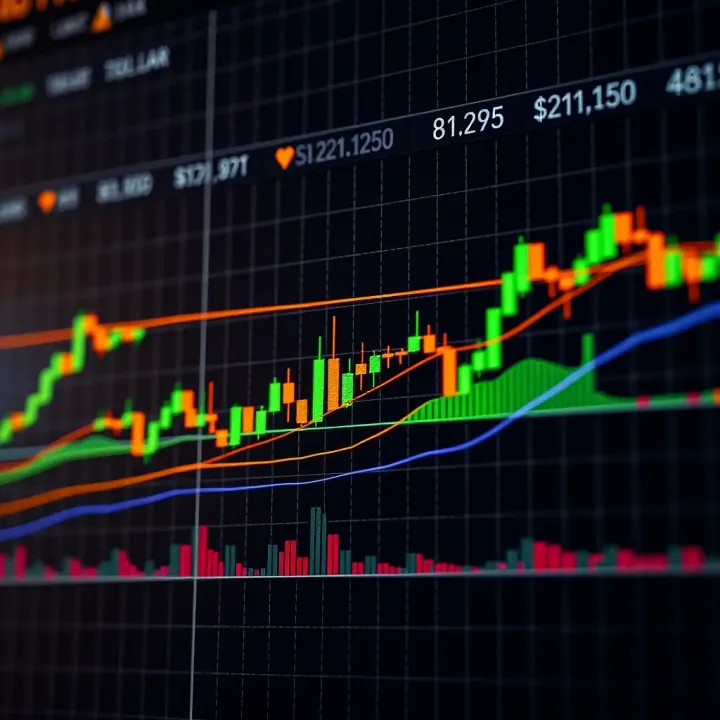
📈 Get today's BTCUSD forecast with expert analysis on market trends, technical charts, and key factors driving Bitcoin prices for smarter trading decisions.
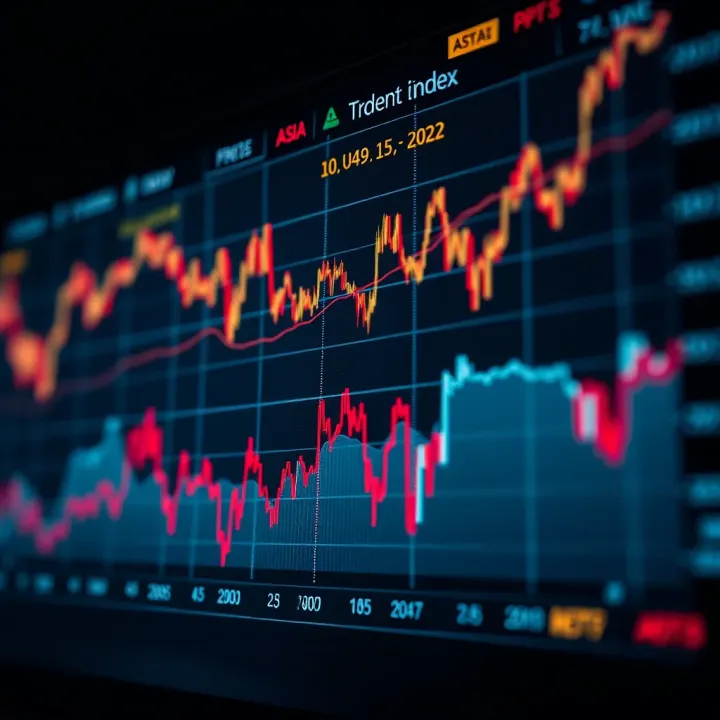
📈 Explore the Asia Composite Index's recent ups and downs, economic and geopolitical factors shaping it, plus expert views on future market trends and sectors.
Based on 14 reviews