

Choosing the Best Trading Apps for Indian Investors
Explore top trading apps for Indian investors 📱 Find how to choose the best platform with security, features, user experience and investment goals in mind.
Edited By
Amelia Brooks
Crypto trading has become a significant area of interest among Indian investors over the past few years. With various cryptocurrencies like Bitcoin, Ethereum, and Ripple gaining attention, many see trading them as a chance to grow wealth beyond traditional investments like stocks and fixed deposits.
Trading cryptocurrencies involves buying and selling digital currencies on specialised platforms called exchanges. Unlike shares traded on the Bombay Stock Exchange (BSE) or National Stock Exchange (NSE), crypto assets function in a decentralised environment without a governing central authority. This difference brings both opportunities and challenges.

There are multiple trading methods that Indian investors often consider:
Spot Trading: Buying crypto at the current market price and holding it.
Margin Trading: Using borrowed funds to increase exposure but carries higher risk.
Futures and Derivatives: Contracts to buy or sell crypto later at a predetermined price, allowing speculation on price changes.
Swing and Day Trading: Taking advantage of short-term price movements.
Understanding the regulatory environment is essential. The Reserve Bank of India (RBI) and the Securities and Exchange Board of India (SEBI) have set certain frameworks for digital currencies, but there remains some ambiguity. The government’s stance fluctuates, and occasional announcements create uncertainty, impacting market behaviour.
Finally, crypto trading is risky. Market volatility is extreme compared to equities, with prices sometimes moving 10-15% in a day. Investors must be wary of scams, phishing attacks, and platforms with poor security. Proper research, using recognised exchanges like WazirX or CoinDCX, and adopting risk management practices can help.
Crypto trading is not just about quick profits; understanding market mechanisms, risks, and regulations in the Indian context is key to making informed decisions.
This guide will help you navigate crypto trading, outlining essential concepts, legal aspects, common risks, and practical tips to trade thoughtfully and safely.
Grasping the basics of cryptocurrency trading is essential for anyone looking to enter this market. It helps you understand what digital currencies are, how trading happens, and which coins suit the Indian investors’ appetite. These fundamentals form the groundwork, saving you from costly mistakes and enhancing decision-making.
Cryptocurrency is digital money secured by cryptography, working without a central bank or government backing. For example, Bitcoin was created as a peer-to-peer electronic cash system, letting people send and receive value without intermediaries. Unlike traditional currency, cryptocurrencies exist only online, controlled by networks of computers verifying transactions through blockchain technology, a secure and transparent ledger.
At its core, crypto trading involves buying digital coins at a lower price and selling them for profit. Indian investors usually turn to crypto exchanges—platforms where buyers and sellers meet. Take an investor purchasing 0.5 Bitcoin on WazirX at ₹25 lakh; if Bitcoin’s price rises to ₹27 lakh, selling it generates a profit. Trading isn’t confined to the long term; day traders often seize short-term price swings to earn daily returns.
When trading, you can place market orders or limit orders. Market orders execute immediately at the best available price, handy for quickly seizing opportunities but might result in slight price differences. Limit orders set a specific price to buy or sell, ensuring you don’t pay more than planned or sell below a target—useful in volatile markets. For example, placing a limit buy order for Ethereum at ₹1,20,000 ensures you only buy if the price drops to that level, preventing impulsive buying in fast-moving conditions.
Bitcoin and Ethereum dominate the Indian crypto space due to their wide acceptance and established infrastructure. Bitcoin is the pioneer and often dubbed 'digital gold' because of its fixed supply and store of value properties. Ethereum extends beyond just money—it supports decentralised applications, attracting developers and investors alike. Many platforms, including Indian exchanges like CoinDCX, offer robust trading options for these coins.
Besides Bitcoin and Ethereum, thousands of altcoins and tokens exist, each with unique features or use cases. Popular altcoins in India include Binance Coin (BNB), Cardano (ADA), and Solana (SOL). Tokens often represent assets or utility within a blockchain project, such as NFTs or governance tokens. Investing in altcoins can offer higher returns but comes with increased risk due to less liquidity and regulatory uncertainty. Careful research helps spot gems amid the noise.
Understanding these basics equips Indian investors to navigate crypto markets confidently, balancing potential rewards with risks effectively.
Choosing the right method and platform for crypto trading is essential for investors to manage their assets efficiently and safely. Each trading option offers distinct benefits and challenges. Understanding these differences helps Indian investors pick a platform suited to their needs, trading style, and risk appetite.
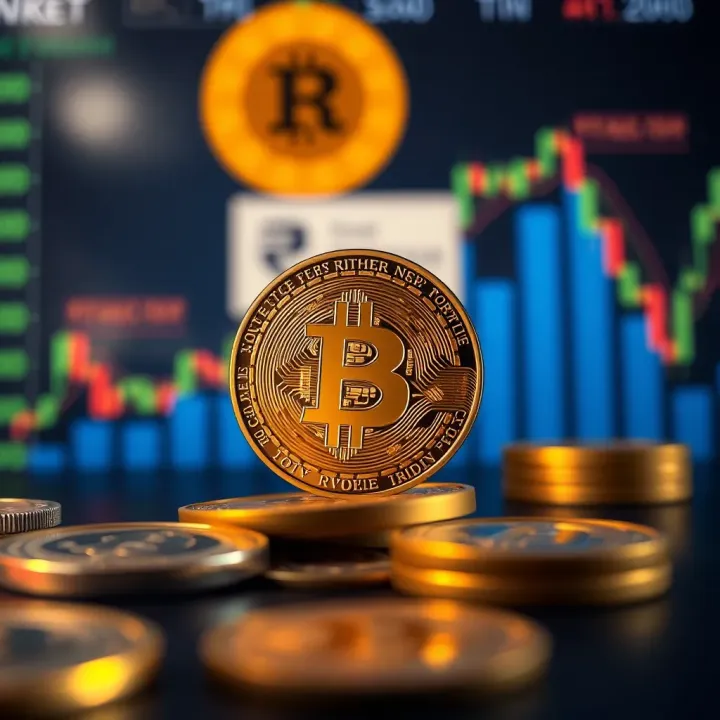
Centralised exchanges act as middlemen between buyers and sellers. They offer user-friendly interfaces and easy-to-understand navigation, making them ideal for beginners. These platforms handle all technical aspects of trading, including order matching, wallet services, and customer support.
Popular Indian exchanges such as WazirX, CoinDCX, and ZebPay have gained trust for their compliance with local regulations and robust features. They provide instant deposits and withdrawals in INR, support for multiple cryptocurrencies, and features like spot trading and margin trading. These platforms also often have mobile apps with convenient user experiences.
Decentralised exchanges (DEXs) differ by operating without a central authority. Trades happen directly between users, typically through smart contracts on blockchains like Ethereum or Binance Smart Chain. Peer-to-peer (P2P) trading allows users to buy or sell crypto directly, often using local payment methods.
The advantage of DEXs is increased privacy and no reliance on a central entity, reducing risks like platform shutdowns or hacking. However, they usually require more technical knowledge and have lower liquidity than centralised exchanges. P2P platforms like LocalBitcoins allow Indian traders to buy crypto using UPI or bank transfers but come with risks like counterparty fraud.
Digital wallets store your cryptocurrency securely and facilitate trading and transfers. Setting up wallets such as Trust Wallet or Coinbase Wallet is straightforward: download the app, create an account, and back up your private keys safely.
Security is vital—users must use strong passwords, enable two-factor authentication, and avoid sharing seed phrases. Keeping cryptocurrency in an exchange wallet exposes one to hacking risks. Therefore, many traders transfer assets to personal wallets after purchase to retain full control over their funds.
It is wise to balance convenience with security. While centralised exchanges offer ease of use, personal wallets provide better asset control and protection.
By understanding these methods and platforms, Indian investors can make informed decisions that suit their trading goals and comfort levels.
Understanding the regulatory environment is key for anyone trading cryptocurrencies in India. The rules set by government bodies and the Reserve Bank of India (RBI) shape how you buy, sell, and report your crypto dealings. Without this knowledge, investors risk running into legal troubles or unexpected tax burdens.
Cryptocurrencies in India occupy a somewhat grey area legally. The RBI has issued several circulars warning about potential risks linked to virtual currencies. While it has not outright banned crypto trading, RBI refrains from recognising cryptocurrencies as legal tender. For you as an investor, this means that exchanges operate under certain restrictions, and banks may hesitate to support crypto transactions fully.
To illustrate, in 2018, the RBI barred regulated banks from providing services to crypto businesses, which impacted liquidity and accessibility. The Supreme Court's 2020 verdict lifted this ban, giving the sector some breathing room. Yet, RBI continues to caution against crypto due to concerns over fraud and market volatility.
India has no comprehensive legislation specifically governing cryptocurrencies yet. The government has proposed bills at various stages, some suggesting a ban on private cryptocurrencies, while others aim to regulate and tax them properly. For instance, the Cryptocurrency and Regulation of Official Digital Currency Bill is expected to clarify legal status and framework.
For traders, this ongoing uncertainty means you should stay alert to changes. Sudden regulatory shifts could affect trading volumes, coin availability, or even your ability to withdraw funds. Following official announcements directly and relying on exchanges that comply with evolving rules helps you manage this unpredictability.
From FY 2022-23, India's tax treatment for crypto profits became clearer. Gains from cryptocurrency transactions are taxed at a flat 30%, regardless of holding period, which is unlike equity or gold investments. There is no benefit of long-term capital gains exemptions on crypto.
This means if you earn ₹5 lakh profit by trading Bitcoin, you are liable to pay ₹1.5 lakh as tax on it. Moreover, losses cannot be set off against gains from other income sources, so careful bookkeeping is essential.
The Income Tax Department requires you to declare all crypto earnings under "Income from Other Sources". Also, a 1% Tax Deducted at Source (TDS) applies on payments exceeding ₹10,000 per transaction, aiming to track transactions.
Practically, this demands you maintain accurate records of buys, sells, and wallet transactions. Neglecting to report could invite scrutiny or penalties. Using tools or consulting tax professionals familiar with crypto can simplify compliance.
Most Indian crypto exchanges follow strict Know Your Customer (KYC) norms as mandated by the government and the Securities and Exchange Board of India (SEBI). When you register, you'll need to submit documents like Aadhaar, PAN card, and proof of address.
These measures help prevent money laundering and fraud. For traders, compliance means smoother transactions, better security, and the ability to withdraw funds without hassle. Avoid platforms without KYC as they carry higher risks and legal complications.
Staying updated with India's crypto regulations safeguards your investments and ensures you trade within the law. Regularly checking official government notifications, tax guidelines, and exchange policies helps you navigate this fast-evolving space confidently.
Trading cryptocurrency comes with several risks that investors must carefully weigh before diving in. While crypto markets offer exciting opportunities, the rapid pace and unique nature of these assets mean that volatility, security issues, and operational uncertainties are common. Understanding these challenges helps you make informed decisions and avoid pitfalls.
Cryptocurrency markets are known for their wild price swings, which can lead to significant gains or heavy losses in a short time. For instance, Bitcoin’s price has often jumped or dropped by 10-20% in a single day. This volatility stems from factors like speculative trading, regulatory news, and sudden shifts in investor sentiment. Indian investors should be prepared for such swings, especially if they use leverage or invest heavily in altcoins with lower liquidity. Regularly monitoring price trends and setting stop-loss orders can help reduce risk exposure.
Security threats are a major danger in crypto trading. Hackers often target exchanges, wallets, and individual accounts to steal funds. In India, several exchange hacks have made headlines, shaking investor confidence. Besides hacking, scams like phishing emails, fake ICOs (Initial Coin Offerings), and Ponzi schemes frequently trap unsuspecting traders. For example, fake Telegram groups pose as customer support to extract private keys or passwords. Such frauds result in irretrievable losses, as crypto transactions are irreversible.
Protecting your crypto holdings requires vigilance and sound practices. Use hardware wallets or reputable software wallets with two-factor authentication to secure your keys. Avoid storing funds on exchanges for long durations, especially those with a weak track record or unclear regulatory status. Regularly update your device’s software to guard against malware. Always cross-check official communication channels to avoid phishing scams. Diversifying storage methods and practising cautious clicking on unknown links can prevent many common fraud attempts.
Liquidity refers to how easily you can buy or sell your cryptos without affecting their price. Smaller altcoins or obscure tokens may lack enough buyers or sellers, causing price slippage or delayed transactions. Moreover, Indian investors have seen certain exchanges shut operations abruptly due to regulatory pressure or financial troubles, freezing assets and causing distress. It's wise to stick to well-established and regulated platforms whenever possible and avoid parking all your funds in one exchange.
Always remember, while crypto trading offers potential rewards, the risks require diligent research and constant awareness to navigate safely.
By acknowledging these risks, you can better prepare for the ups and downs of crypto trading and protect your investments from avoidable losses.
Trading cryptocurrency in India demands a mix of caution and strategy because of its volatile nature and evolving regulations. Practical tips can protect your investment and improve your chances of success. Let’s explore how starting small, analysing markets, keeping an eye on legal changes, and choosing the right platforms can make a difference.
Starting with a small capital helps you limit losses while understanding market dynamics. For example, rather than investing ₹5 lakh in one coin, break it into smaller amounts across several cryptocurrencies like Bitcoin, Ethereum, and a few altcoins. This reduces risks if one asset tanks unexpectedly. Diversification spreads your exposure and smoothens out volatility. Consider allocating 60% to established coins, 30% to promising altcoins, and 10% for experimental tokens — adjusting as you gain experience.
Relying solely on gut feeling is risky in crypto markets. Technical analysis involves studying price charts, volume trends, and indicators like Relative Strength Index (RSI) or Moving Averages to anticipate entry or exit points. Fundamental analysis means researching the project’s team, use case, partnerships, and tokenomics. For instance, if a coin is about to partner with an established Indian company or rollout a new feature, it might signal an upward trend. Combining both methods helps traders make more informed decisions than merely following market hype.
India’s crypto regulations have seen frequent changes, so staying updated is non-negotiable. Changes in tax rules, RBI circulars, or SEBI announcements can impact your investments directly. For example, the introduction of 30% tax on crypto gains in FY 2022-23 affected many investors’ strategies. Subscribe to reliable news sources or govt websites focusing on finance to catch updates promptly. Reacting early to regulatory shifts can save you from surprises or penalties.
Safety starts with where you trade and store your crypto. Indian platforms like WazirX and CoinDCX have earned trust through better compliance and customer support. Avoid lesser-known apps without a transparent history. Similarly, for wallet security, hardware wallets like Ledger or Trezor offer better protection than mobile wallets, especially for large holdings. Always enable two-factor authentication (2FA) and keep your private keys secure and offline if possible.
Wise trading isn’t about chasing quick profits but managing risks prudently. Starting small, performing analysis, being alert on legal news, and picking the right exchange can work well together to keep your crypto journey steady and less stressful.
Explore top trading apps for Indian investors 📱 Find how to choose the best platform with security, features, user experience and investment goals in mind.

Explore Qutex trade in detail 📊 Learn how it works, benefits, risks, and get expert tips to trade confidently in India's market landscape 🇮🇳

Learn how demo trade accounts help Indian traders practise and refine strategies risk-free. Discover features, benefits, tips for success, and shifting to real trading 📈💡

Learn how forex trade demo accounts let beginners practise trading risk-free 📈 Gain tips to choose and use demo accounts effectively to sharpen skills before investing real money.
Based on 10 reviews