

Affordable Trading Apps in India: 10 Rupees Reviewed
🔍 Discover the 10 Rupees trading app—an affordable way to invest in Indian stocks. Learn about its features, low costs, security, and how it compares with other platforms. 📈
Edited By
Amelia Brooks
Starting to invest with just ₹10 may sound unbelievable, but several trading apps in India now offer this possibility. These platforms remove the traditional financial barrier, making stock market participation accessible even for those with limited funds. This approach suits youth, beginners, and casual investors who want to test the waters without risking large amounts.
The core appeal of ₹10 deposit trading apps lies in their minimal initial investment requirement. Instead of having to put down thousands or lakhs to buy shares, users can begin with pocket-friendly sums. This practice aligns with the growing trend of democratizing investment opportunities, helping more people build wealth over time through small, consistent contributions.

Most of these apps operate by allowing fractional share purchases. This means investors do not have to buy a complete share of high-priced stocks like Reliance Industries or HDFC Bank. Instead, they can buy a fraction worth ₹10 or ₹50, as per platform norms. For example, apps like Groww and Smallcase enable such fractional investments, which lets users diversify their portfolio even with tiny amounts.
When exploring trading apps that accept ₹10 deposits, investors must consider certain features:
Regulatory compliance: Ensure the app is registered with the Securities and Exchange Board of India (SEBI) to avoid scams.
Ease of use: A user-friendly interface matters, especially if you are new to trading.
Additional charges: Watch out for hidden fees or high brokerage costs that can eat into small investments.
Security: Look for two-factor authentication and data encryption to safeguard your account.
Remember, small deposits do not mean small risks. Market volatility and lack of diversification can still lead to losses, even with ₹10 trades.
Such apps generally suit traders focusing on long-term wealth creation through systematic small investments. However, day traders or those seeking quick returns may find ₹10 too low to generate meaningful profits after brokerage and taxes.
In sum, trading apps with a ₹10 minimum deposit provide a practical option for new investors and those constrained by capital. By choosing the right app and understanding its mechanics, Indian investors can start building a market portfolio without financial strain. This trend reflects a broader shift towards financial inclusion in India’s investment ecosystem.
Trading apps allowing users to start investing with as little as ₹10 have brought a noticeable change in how many Indians approach the stock market. These low minimum deposit apps open doors for first-time investors and smaller traders who hesitate to risk large capital upfront. Understanding how they work helps you make smarter choices and avoid surprises.
Signing up with minimal initial investment involves registering for a trading account that requires just ₹10 or so to get going. Apps like Groww and Zerodha have embraced this model, enabling practically anyone to begin investing without worrying about locking in a big sum. This approach not only encourages fresh investors to step in but also suits those wanting to try out the platform before committing heavily.
Linking bank accounts and KYC process is a vital part of account setup. To comply with Securities and Exchange Board of India (SEBI) regulations, these apps require you to complete your Know Your Customer (KYC) formalities. Usually, linking your savings or current bank account via Aadhaar or PAN-based verification is needed. This ensures funds transfer is smooth and secure. For example, UPI or net banking options tightly connect the trading account with your bank, making deposits or withdrawals quicker and reliable.
Equity shares and fractional investing make up the backbone of many low-deposit trading apps. Fractional investing means you can buy a part of an expensive share, say Reliance Industries, with just ₹10 instead of needing the full share price. This widens access to blue-chip stocks for those with limited funds, encouraging portfolio diversification from day one.
Mutual funds and exchange-traded funds (ETFs) are popular options on these platforms as well. You can invest in diversified portfolios managed by experts with minimal amounts. Apps like Upstox and Paytm Money offer access to both mutual funds and ETFs, making it easy to spread risk without needing a big capital load. For instance, investing in an Nifty 50 ETF with ₹10 lets you indirectly own a basket of major companies.
Commodity and currency trading features may also be available, although sometimes with restrictions based on deposit size. Low-deposit apps often provide simplified versions of these markets tailored for beginners. Trading in commodities like gold or currency pairs can be done with small sums, offering exposure to price movements beyond equities. However, due to greater volatility, it's wise to approach these cautiously and with proper knowledge.
Starting small doesn’t mean you lose the breadth of market options. Modern 10 Rs deposit apps balance modest investment needs with versatile trading choices, helping investors build habits and portfolios gradually.
This practical understanding of how such apps work forms the foundation to use them effectively and safely.
When using trading apps that demand only a ₹10 deposit, certain features become especially important to ensure a smooth and profitable investment experience. These apps target beginner traders or those with limited funds, so the user experience, fees, and security arrangements must align with their unique needs.
A simple, intuitive mobile interface can make or break a low-deposit trading app. Investors often access these apps from tier-2 or tier-3 cities where slower internet connections and modest smartphones are common. For example, Paytm Money’s app is praised for its clean layout and fast navigation, helping users quickly place trades or check portfolio performance with minimal hassle. Cluttered screens or complex menus tend to discourage new users who may feel overwhelmed.
Offering multiple Indian language options in the app can greatly expand its reach beyond metro users. Apps like Groww and Zerodha’s Kite have started integrating Hindi, Tamil, and Bengali interface options, which help users trade comfortably without language barriers. Support through local language chat or phone helpline further builds trust and lowers user frustration, especially for first-time investors.
Trading apps boasting low deposit requirements often attract users with tight budgets. High brokerage fees can quickly erode returns on these small trades. Apps that offer zero brokerage on equity delivery or low fees on intraday trades, such as Upstox and Fyers, tend to perform better for low-value investors. It is wise to examine if there are additional fixed charges or percentage cuts applied to tiny trades which might wipe away gains altogether.
Some platforms levy account maintenance or annual fees regardless of trade volume, which can be a burden for small investors. Moreover, withdrawal charges might discourage moving funds out swiftly or repeatedly. For instance, Zerodha offers free account maintenance and does not charge for withdrawals, making it easier to manage investments without surprises. Checking these costs upfront saves money in the long run, especially when working with modest deposits.
Investors entrust personal and financial data when opening accounts on trading apps. Robust encryption standards and secure data storage prevent breaches and identity theft. Many reputed trading apps in India use 256-bit SSL encryption to protect login credentials and transaction details. This technology secures data even on public or unsecured Wi-Fi, which many mobile users rely on.
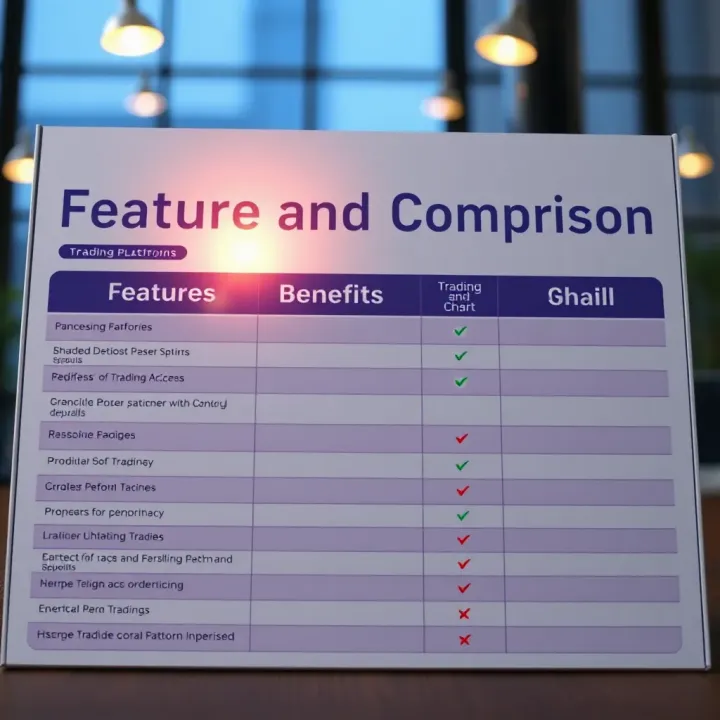
Compliance with Securities and Exchange Board of India (SEBI) regulations is non-negotiable. Approved trading apps adhere to strict KYC (Know Your Customer) norms and protect client funds through segregated accounts. Platforms like Angel One and ICICI Direct follow these safeguards diligently, ensuring investors’ money and interests are well guarded. Before choosing an app, verifying SEBI registration adds an essential layer of security and confidence.
Choosing a low-deposit trading app involves balancing ease of use, cost-effectiveness, and robust security. Paying close attention to these features can make a significant difference in your investing journey, especially when starting with small amounts.
Trading apps that let you start with a deposit as low as ₹10 open doors to investing for a much wider segment of Indians. They remove the usual financial barriers, allowing even those with limited capital to participate in markets that were traditionally seen as the domain of wealthier or more financially savvy individuals. This section explores how these apps benefit users, especially first-timers and those living away from major cities.
Starting with just ₹10 lowers the intimidation factor typically associated with stock market investing. A fresher can experiment with very small amounts without the fear of losing a significant sum. For instance, a college student in Pune could buy fractional shares of well-known companies like Reliance or TCS, learning how markets move before committing more funds. This encourages gradual learning and builds confidence, which is crucial in investor education.
Low initial deposits also help combat the 'all or nothing' mindset, where potential investors hesitate because they feel they must invest big amounts. Here, even a daily saving of ₹10 can be easily routed into the market, making regular investment habits easier to form.
Many Indians live outside metro centres and hesitate to invest because of limited access to brokerage services or fear of complex procedures. Trading apps with ₹10 minimum deposits break these geographical and economic barriers. Someone from a tier-2 town like Muzaffarpur or a village in Tamil Nadu can start investing using just a basic smartphone and internet connection.
These apps often come with vernacular language options and simple interfaces, reducing the need for in-person support. This digital reach ensures that rural investors don’t miss out on wealth-building opportunities available to urban peers. Such accessibility could drive greater financial inclusion across India’s smaller centres.
Low-deposit apps typically support fractional investing, meaning you don’t need to buy a full share of expensive stocks. Instead, you can own a fraction according to your budget. This means with just ₹10, you might own a tiny slice of a company like Infosys or HDFC Bank.
This flexibility lets investors diversify their holdings despite limited capital. You could split ₹100 among five different companies rather than buying just one share of a single stock. Greater diversification can reduce risk and offer exposure to various sectors.
Since these trading apps are mobile-first, they give users control to trade or monitor investments anytime, anywhere. For example, a working professional in Bengaluru can check stock movements during office breaks or while commuting.
This kind of convenience is especially useful in India, where many people use smartphones as their primary computing device. Notifications for price alerts, quick order execution, and easy fund transfers add layers of control that traditional investing modes lack. It makes trading more responsive to real-time market conditions.
The ability to start investing with ₹10, combined with mobile convenience and fractional ownership, transforms how Indian investors access and manage their wealth – making markets more democratic and dynamic than ever before.
Trading with a small deposit brings unique risks and challenges that every investor must keep in mind. While apps allowing ₹10 investments open doors for many first-timers, they also come with limitations that can affect overall returns and growth potential.
Fees and charges take a bigger bite from small investments. Brokerage fees or account maintenance charges might seem minimal in absolute terms, but when your investment is just ₹10 or ₹100, even a ₹5 fee cuts a huge chunk off your returns. For example, if you invest ₹10 and pay ₹5 as fees, you're left with only ₹5 actually working for you. This eats into your gains, and over time, such costs can stall portfolio growth entirely.
To limit these costs, choose apps that offer zero or very low brokerage on small trades. Some platforms waive fees if you maintain a minimum balance or use specific payment methods. Also, bundling orders or investing through systematic investment plans (SIP) can reduce the per-transaction cost. The idea is to avoid paying fees repeatedly for tiny amounts, which quickly add up to significant erosion.
Small investments face the same market ups and downs as larger ones, but volatility can have an outsized impact. A sharp dip in a stock’s price might wipe out your entire investment if it’s just ₹10, leaving you with little or nothing. Such fluctuations are common in equity, commodity, and currency markets, which many low-deposit apps offer.
Staying informed is key here. Reading company reports, understanding market trends, and keeping an eye on macroeconomic factors help investors make better choices to navigate volatility. For instance, avoiding markets during unstable global events or heavy monsoon disruptions can save small investors from sudden losses.
Not all stocks or funds accommodate very small trades. Many low-value apps limit the product range to fractional shares, mutual funds, or exchange-traded funds (ETFs) since buying full shares of high-priced stocks with ₹10 isn’t feasible. This restriction narrows diversification possibilities, which is a drawback for serious traders looking to build varied portfolios.
Advanced trading options like intraday trades, derivatives, or margin trading are usually unavailable in low-deposit apps. These instruments generally require higher capital and involve more risk. For an investor sticking to ₹10 deposits, this limitation means you cannot experiment with complex strategies or leverage, which some might consider a downside but also reduces exposure to bigger losses for beginners.
Small deposits simplify entry into investing but come with trade-offs such as higher relative fees, exposure to volatility, and limited investment choices. Knowing these helps you plan better and avoid surprises.
Choosing to invest with ₹10 is a start, but understanding these challenges ensures you don’t blindly step into pitfalls that could cost you more than money—like lost confidence or bad habits. Use this knowledge to pick apps wisely and plan your trading journey realistically.
Selecting the right trading app for starting with just ₹10 is not just about convenience but about ensuring your small investments are safe, cost-effective, and supported well. With many platforms claiming to offer low minimum deposits, evaluating key factors like reputation, customer support, and additional features makes a real difference in your trading experience and outcomes.
Checking user feedback on app stores and forums helps gauge how well the app performs in real-life conditions. For example, if an app has many complaints about delayed order executions or app crashes during peak hours, it might not be reliable when you need timely trades. User reviews often reveal hidden issues like complicated withdrawal processes or poor navigation that official descriptions don’t mention.
Besides app stores, investor forums and social media groups offer candid opinions about specific trading platforms. A pattern of positive feedback on ease of use and prompt deposit crediting can reassure new traders. On the flip side, repeated concerns about delayed customer support or hidden charges should warn you off.
Verifying registration with SEBI (Securities and Exchange Board of India) is crucial for safety. Only SEBI-registered brokers can legally offer stock trading services in India. Many low-deposit apps partner with registered brokers, and checking this registration confirms the platform meets regulatory compliance, protecting your funds and personal data.
For instance, apps like Groww and Zerodha prominently display their SEBI registration details. Absence of this information or vague claims can indicate a risk of fraud or lack of accountability.
Availability of help through chat, phone, or email ensures that when you face technical glitches or have queries, there’s a way to reach real assistance quickly. Some apps provide only email support, which might delay resolution, while others offer live chat or phone options that can sort problems fast.
Customer support channels function like lifelines, especially for beginners unfamiliar with app navigation or transaction procedures. For example, Zerodha offers 24/7 chat and call support during market hours, helping users resolve issues like order placement or payment failures immediately.
Response time and resolution quality measure how effectively the support team tackles your problems. An app might have multiple contact options, but if queries go unanswered for days, the convenience loses value. Quick, clear, and helpful replies build trust and reduce trading downtime.
Look out for apps with transparent support ratings or positive user testimonials about problem-solving speed. Delayed responses can lead to missed trading opportunities or frustration, so it's a key factor to consider.
Research tools and market insights add significant value by helping you make informed decisions even with a small opening balance. Features like live market data, stock performance charts, and expert recommendations guide your investment strategies effectively.
For example, apps like Groww provide easy-to-understand market analysis and news updates alongside trading options. This saves beginners from scavenging multiple sources and supports smarter investment moves.
Tutorials and guides for new investors ease the learning curve, especially for those new to stock markets. Practical guides on topics such as SIPs, fractional shares, or risk management allow users to build confidence gradually.
Beginner-friendly educational resources distinguish apps like Upstox and Zerodha Kite, which offer video tutorials and stepwise walkthroughs. These help you avoid common pitfalls like impulsive trading and encourage disciplined investment behaviour.
Choosing the right ₹10 deposit trading app involves looking beyond just the low entry cost. Checking reputation, regulatory approval, customer support quality, and extra learning tools ensures your money is safe and you grow as an investor effectively.
In short, weigh these factors carefully. The right app supports your trading journey, not just your initial deposit.
Low-deposit trading apps have gained traction in India because they lower the entry barrier for new investors. Several popular platforms let you start investing with as little as ₹10, making investing accessible without heavy upfront capital. Understanding the features, user perceptions, and unique advantages of these apps can help traders and investors pick the right fit.
Many leading trading apps such as Groww, Zerodha, and Upstox allow account opening with minimal or no initial deposit, making it easy for anyone to start trading. For instance, Groww requires no minimum deposit to start buying mutual fund units or fractional shares, while Zerodha offers its account services at zero or very low upfront fees, although some services like intraday trading may need marginal capital. This minimal deposit requirement is practically important for beginners who want to test waters without committing heavy funds.
User ratings on app stores and financial forums offer an honest perspective on app reliability, user interface, and customer service. Apps like Groww and Angel One maintain high ratings due to simple interfaces and prompt support. Many apps run special offers like zero brokerage on first few trades or referral bonuses, which can reduce overall costs for beginners. Keeping an eye on such offers can save money and provide extra value while trading with small deposits.
Each app stands out for distinct investment options that suit different needs. Groww, for example, excels in mutual funds and now offers stocks and US stock investing, appealing to long-term investors. Zerodha shines with its vast range of equities, commodities, and advanced trading tools aimed at active traders. Angel One brings in a mix of all segments plus direct mutual funds, which helps investors diversify easily from the same platform.
Ease and speed of transactions matter when investing with small amounts because a delay or glitch can affect profits significantly. Upstox is known for its fast order execution and simple payment gateways, helping traders complete trades swiftly. Groww offers one-click investing features and quick onboarding, making it highly suitable for users who want convenience without complex processes.
Choosing an app that matches your investing style, offers smooth operations, and aligns with your capital size ensures efficient and stress-free trading even with just ₹10 deposits.
In summary, popular low-deposit trading apps in India provide flexibility, affordability, and features tailored for new and seasoned investors. Comparing their features, user feedback, unique strengths, and transaction speed can guide you to the best choice for your investment journey.
Using low-deposit trading apps can be a great way for beginners to enter the investment world without risking large sums. However, success depends on applying practical strategies that help manage risks and build confidence. This section highlights useful tips to make the most of these platforms, especially when you are starting with just ₹10.
Practising with demo accounts allows you to understand how trading works without putting your money at risk. Many trading apps offer these virtual accounts where you can execute trades with fake funds. This helps you familiarise yourself with market orders, stop losses, and portfolio monitoring. For example, Zerodha's Kite platform provides a mock trading mode that beginners find useful before investing real money.
Regularly reviewing your performance is essential for improving your strategy. Track how your investments behave over days or weeks, then compare losses and gains. Many apps provide charts and monthly summaries. For instance, Groww sends monthly portfolio updates that include your returns and asset allocation. This reflection helps you identify which stocks or mutual funds deliver better returns and when to exit a losing trade.
Not chasing quick profits is critical, especially for novice traders using small amounts. The market often tempts investors to jump on ‘hot tips’ or make rushed trades hoping for fast gains. However, such moves can quickly drain your balance, leaving little room to recover. Instead, focus on steady gains and learning the market dynamics. For example, if a stock spikes overnight, observe its trend for a few days before deciding to invest.
Maintaining investment discipline means setting clear goals, limits, and sticking to your plan even when emotions run high. Low-deposit trading encourages disciplined investing since every rupee matters. Avoid impulsive decisions like panic selling during a dip or doubling down on losing bets. Create a systematic investment plan (SIP) even for small sums, which helps smooth out market volatility. Apps with automated SIP features like Paytm Money make it easy to maintain this discipline.
Begin with small steps, stay patient, and focus on consistency. This approach helps build a strong foundation when exploring 10 Rs deposit trading apps, turning modest investments into meaningful portfolio growth over time.
By practising with virtual funds, periodically reviewing your trades, avoiding hasty moves, and maintaining discipline, beginners can navigate low-deposit trading apps with confidence and patience. These habits greatly increase the chances of long-term success, especially when starting small.
🔍 Discover the 10 Rupees trading app—an affordable way to invest in Indian stocks. Learn about its features, low costs, security, and how it compares with other platforms. 📈
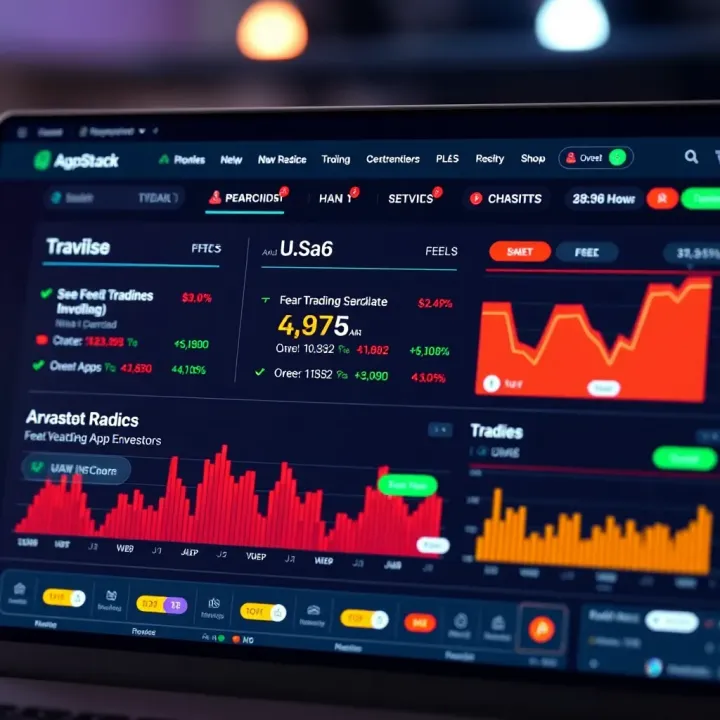
Explore the best trading apps in India 📱, comparing features, fees, and ease of use to find the right fit for beginners and experienced investors alike 📈.

Start investing with just ₹10 using top trading apps in India 📱. Learn key features, benefits, and tips to choose the best app and boost your returns efficiently.

📱Explore fixed time trading apps in India: how they work, key features, risks, and expert tips to trade safely and smartly in financial markets with timed trades.
Based on 10 reviews