
Demo Intraday Trading: A Beginner's Practical Guide
Learn demo intraday trading to practise stock buying and selling risk-free within a day 📈. Discover start-up tips, key strategies, mistakes to avoid, and live trading differences.
Edited By
Emily Shaw
Demo forex trading has become a popular starting point for many traders aiming to understand the currency markets without risking real money. This practice involves using a demo account that mimics live forex trading conditions but operates with virtual funds. For beginners, especially in India, such accounts offer a safe environment to get hands-on experience and test strategies.
A demo forex account functions like a real trading account but without actual financial risk. You get access to live currency prices, charting tools, and order execution features. This setup helps you familiarise with forex platforms such as MetaTrader 4 or 5, commonly used by Indian brokers. For example, if you want to trade USD/INR or EUR/USD pairs, the demo account will allow you to place buy or sell orders, view margin requirements, and track profits or losses — but all with play money.
Using a demo account effectively can save you from costly mistakes once you start live trading.
Risk-Free Learning: Since there's no real money involved, you can experiment freely and understand how currency fluctuations impact your trades.
Platform Familiarity: Demo accounts mirror real trading interfaces, helping you learn the tools and order types (like market orders, limit orders) without stress.
Strategy Testing: You can trial different approaches — be it scalping, day trading, or swing trading — to see what fits your style.
No Emotional Impact: Trading virtual money doesn’t trigger the real fear or greed that come with live funds, so your decisions might differ.
Liquidity Differences: Occasionally, demo platforms may not reflect real-world conditions like slippage or sudden volatility spikes.
Delayed Transition: Relying solely on demo trading can make one hesitant to switch to live trades, which require extra discipline and risk management.
Treat the demo account as real money to cultivate good habits.
Track your trades in a journal to analyse what works and what doesn’t.
After building confidence, try trading small amounts on live accounts offered by brokers regulated by SEBI (Securities and Exchange Board of India).
In summary, demo forex trading serves as a valuable stepping stone for beginners, especially in the Indian context where currency pairs like USD/INR play a crucial role. By approaching it with seriousness and clear objectives, newcomers can build a solid foundation before moving to real money trading.
Demo forex trading refers to practising forex market trading without using real money. Traders use demo accounts provided by brokers to simulate real market conditions without financial risk. This approach lets beginners get a hands-on feel for forex trading processes before committing actual capital.
Demo accounts exist primarily to help users explore forex trading without losing money. These accounts provide virtual funds—say, ₹10 lakh—which traders can use to place orders and test strategies freely. For example, an Indian trader can use the demo platform to learn how to buy or sell currency pairs like USD/INR without worrying about potential losses. The main goal is to build confidence and understand the mechanics of trading.
The critical difference between demo and live accounts lies in the actual money involved and the psychological factors at play. While demo accounts use simulated funds, live accounts require real capital, exposing traders to genuine gains or losses. This distinction influences decision-making, as live trading often triggers emotional responses, unlike demo trading where risks are not tangible. Moreover, some brokers may offer slightly different execution speeds or variable spreads in live accounts versus demo ones.
Demo trading replicates market conditions by using real-time price feeds sourced from the broker’s liquidity providers. This means when the EUR/USD rate moves on your demo platform, it mirrors the live market’s movement closely. Traders thus experience fluctuating prices, bid-ask spreads, and can place various order types such as market orders or stop-losses just like in actual trading.
However, simulated trading carries inherent limitations. For instance, demo accounts generally don’t account for slippage—when orders execute at prices different from expected due to market volatility. Also, factors like sudden liquidity crunches or emotional stress during live losses aren’t replicated. Hence, while demo forex trading offers a useful learning ground, it cannot fully replace the nuances of live trading.
Demo accounts serve as a valuable starting point, but understanding their limits prevents overconfidence before stepping into live trading.
By grasping what demo forex trading entails, beginners, especially from India’s growing trader community, can approach the market with realistic expectations and greater preparedness.
Demo forex accounts offer newcomers a risk-free environment to grasp the nuances of currency trading. This hands-on approach eliminates the fear of losing real money while learning the ropes. Whether you are a fresh trader or someone brushing up on trading skills, a demo account bridges theory and practice effectively.
Understanding forex basics is the groundwork for any trader. Demo accounts let you explore key concepts like currency pairs, pips, leverage, and margin without the stress of real losses. For instance, you can see how ₹50,000 worth of USD/INR trades react when the rupee strengthens or weakens. This exposure builds confidence faster than just reading about forex.
Practising order placement and management is another major benefit. You can learn how to place different kinds of orders—market, limit, stop-loss—under live market conditions. This practice sharpens your timing and decision-making. For example, you might try placing a stop-loss at 30 pips to minimise risk and observe how it's executed automatically if the market moves against you. Real-time practice ensures you don't fumble when real money is at stake.
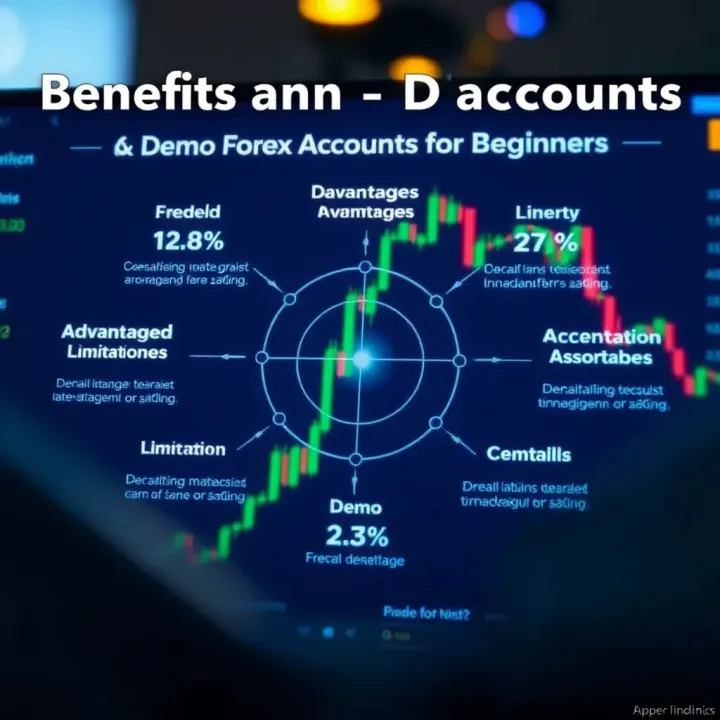
Evaluating different approaches in a demo account allows you to discover which strategies suit your temperament and market view. You can try scalping, swing trading, or trend following while monitoring which yields consistent returns. Say you test a momentum strategy on EUR/USD; if it doesn’t perform well during volatile sessions, you might switch to range trading.
Adjusting strategies based on outcomes is easier with no financial pressure. You can tweak your entry and exit points or modify risk parameters to improve results. For instance, if you notice your stop-loss exits trades prematurely, you might widen it slightly in the next iteration. This iterative process prepares you for live markets where adaptability matters.
Platform features and tools can be overwhelming for new users. Demo accounts help you explore charting tools, technical indicators, and order execution methods without hesitation. You might try out indicators like RSI or MACD, seeing firsthand how they signal buy or sell opportunities.
Customising interface and alerts lets you tailor the platform to your trading style. You could set price alerts for key support or resistance levels or personalise chart layouts for quick analysis. For example, an Indian trader might configure the platform to display INR pairs prominently or set alerts for Nifty futures expiry dates. Getting familiar with these options improves efficiency when you switch to live trading.
Using a demo forex account isn’t just about avoiding losses. It’s about building competence, testing ideas, and becoming fully comfortable with your tools before risking real money.
Overall, demo accounts are an essential stepping stone. They give you practical experience, so your transition to a live account can be much smoother and less stressful.
Demo forex trading gives beginners a risk-free way to understand how currency markets work. Still, it is essential to be aware of its limitations and common misunderstandings. Grasping these helps traders avoid pitfalls when they shift to real trading. Let’s break down the key points.
When trading demo accounts, no actual money is on the line. This lack of real financial risk means traders often feel relaxed and sometimes overly confident. In live trading, though, every rupee gained or lost carries emotional weight, impacting focus and decision-making. For instance, a ₹10,000 loss in demo might feel like a small setback, while the same loss in live trading can cause stress and hesitation.
Demo trading rarely provokes the same discipline needed in live markets. Since there’s no real loss, traders might take unnecessary risks or ignore stop-loss orders. On the other hand, once real funds are involved, emotions like fear and greed can disrupt trading plans. This often leads to impulsive decisions and inconsistent strategy execution, which demo accounts don't prepare you for adequately.
In demo trading, orders are generally executed at requested prices without delays. However, in live markets, slippage occurs when market prices change between placing an order and its execution. This can lead to buying or selling at less favourable prices, especially during high volatility or news events. A demo account won’t show these slippages, so traders may be caught off guard in the live environment.
Most demo accounts feature fixed spreads, giving a simplified picture of trading costs. In contrast, live trading sees spreads fluctuate based on liquidity and market conditions. During busy market hours, spreads might tighten, while in off-hours or during volatility, they widen. This affects profitability and strategy performance. Traders should remember that demo results don’t fully reflect the real cost structure.
Doing well in demo trading can build a false sense of security. It’s vital to recognise that demo accounts lack the emotional and market complexities of live trading. This difference means success in demo does not guarantee profitable real trades. Being mindful of this gap helps prevent overconfidence and complacency.
Before moving to a live account, mentally prepare for the change in stakes. Expect emotional challenges and adjust your risk management accordingly. Start with small capital and focus on applying disciplined trading strategies. Understanding that the live market tests not just your strategy but your patience and nerves is key to a smoother transition.
Demo trading is a useful training ground, but treating it as a perfect mirror of live trading can mislead you. Awareness of its limits equips you to face real markets with better control and realistic expectations.
For beginners diving into forex trading, using a demo account effectively can make a big difference. It’s more than just clicking around—approaching demo trading with clear goals and structure helps build habits that transfer better to real trading. So, focusing on practical tips can improve your learning curve and readiness for live markets.
Approaching demo trading with discipline is key. Demo accounts can sometimes create a false comfort zone, where you might treat trades casually since real money isn’t at stake. Instead, try to treat demo trades as seriously as live ones. For example, if you plan to take only two trades a day in a live account, keep to the same limit in demo. Following this discipline builds decision-making skills and prevents reckless trading behaviours.
Tracking performance over time gives you a solid feedback loop. Keep an eye on your win-loss ratio, average gains, and losses rather than just celebrating occasional big wins. For instance, if after a week you notice your losing trades tend to be on weekends or during certain news releases, you can adjust your strategy accordingly. Tracking helps spot strengths and areas needing improvement, just like any serious trader does.
Practising stop-loss and position sizing on demo accounts trains you to protect capital wisely. Say you decide to risk only 1% of your demo balance per trade—stick to that rule even if your demo profit is growing fast. This builds muscle memory for managing risk in live markets. Over time, you’ll understand how wide or tight your stop-loss should be based on market volatility.
Understanding leverage and margin is vital, especially in forex where small price moves get amplified. Demo accounts let you experiment without losing real money, so try different leverage levels to see how quickly profits or losses stack up. For example, using 100:1 leverage might double your gains fast but could wipe out your account just as quickly. Getting a feel for these numbers helps prevent surprises on your live account.
Keeping a trading journal is a powerful habit in demo trading. Note down why you entered a trade, the setup, stop-loss and take-profit levels, and the outcome. For instance, if you took a trade on EUR/USD after a news report, record market sentiment, your reasoning, and emotions. This habit sharpens self-awareness and decision-making.
Reviewing for patterns and mistakes lets you correct course before moving to live trading. After ten trades, you might spot a recurring error such as entering trades too early or holding onto losses hoping they’ll reverse. By recognising these patterns early through your journal, you can refine your strategy and mindset.
Treat your demo account like a practice field—disciplined, goal-driven, and reflective. This approach gives you a good shot at smooth transition to live trading with sound risk management and psychological readiness.
Moving from a demo account to live forex trading marks a significant step for any trader. It tests your skills under real market conditions with real money on the line. This transition helps you understand how your strategies perform when emotions and financial risks come into play. Failing to prepare for this leap often leads to mistakes that could have been avoided with proper planning.
Consistent demo performance is often the first indicator that you might be ready for live trading. If your trades show steady profits or minimal losses over an extended time rather than erratic results, it suggests you have grasped the basics. For example, achieving positive results for at least one to two months on a demo account while following strict rules can give confidence that you understand market patterns and can manage trades effectively.
However, demo profits alone don’t guarantee live success; they must come alongside disciplined trading and risk management. Results should not be occasional spikes but rather consistent, indicating a stable approach.
Confidence in trading strategy comes from thorough testing and understanding of your method in demo conditions. A trader who has tested their system during various market phases—such as high volatility during economic announcements or steady trends—will be better prepared. Confidence builds as you witness how your strategy handles different scenarios without panic.
For instance, if your approach relies on moving average crossovers, ensure it has provided positive outcomes during both trending and choppy markets on demo. This prepares you mentally for live trading and reduces impulsive decisions caused by unexpected market moves.
Starting with small capital helps limit potential damage while you adjust to live market pressures. Many traders make the mistake of risking too much initially, leading to severe losses and dampened morale. For example, if you plan to trade with ₹1 lakh eventually, begin with ₹10,000 or less. This helps you focus on execution without the burden of heavy financial stress.
Small capital stakes allow gradual learning and offer a cushion to accommodate inevitable early mistakes. It also helps bridge the emotional gap between demo and live accounts—losing ₹100 on paper feels very different from losing ₹1,000 or more in reality.
Applying strict risk controls is essential from day one of live trading. This includes rigid use of stop-loss orders, sensible position sizing, and limiting the proportion of capital exposed in each trade. Suppose you decide to risk 1% of your trading capital per trade. If your capital is ₹10,000, risk should not exceed ₹100 per trade. This discipline prevents catastrophic losses and conserves capital for continuous opportunities.
Risk control also means setting limits for daily or weekly losses and sticking to them without exception. This helps protect both your money and mental health when live trades do not go your way.
Dealing with real losses and emotions is the toughest challenge when shifting from a demo to live account. Unlike demo trading, real money losses trigger fear, anxiety, or even frustration, which can cloud judgment. For example, a trader might hold onto losing positions hoping for a turnaround instead of cutting losses promptly because of emotional attachment to actual money.
Recognising these feelings and preparing to manage them is crucial. Techniques such as mindfulness, taking breaks after losses, or discussing experiences with fellow traders can help maintain perspective.
Maintaining trading discipline often suffers during live trading due to emotional swings. It’s easy to deviate from your plan, overtrade, or chase losses. The key is to stick to your rules, position sizing, and stop-loss levels no matter what.
Create a checklist before entering trades and review it strictly. This habit instils discipline and reduces impulsivity, a common cause of live trading failures. Maintaining discipline ensures you benefit from your demo learnings and build a foundation for success.
Transitioning from demo to live trading is more than just a technical move; it requires mental strength, proper risk management, and confidence in your strategy. Taking it slow and steady can save you from costly errors and help you grow into a skilled trader.
Learn demo intraday trading to practise stock buying and selling risk-free within a day 📈. Discover start-up tips, key strategies, mistakes to avoid, and live trading differences.

Learn how forex trade demo accounts let beginners practise trading risk-free 📈 Gain tips to choose and use demo accounts effectively to sharpen skills before investing real money.
Explore demo trading websites to practise strategies risk-free 📈. Learn key features, top platforms & drawbacks to boost your trading skills in India 🇮🇳.
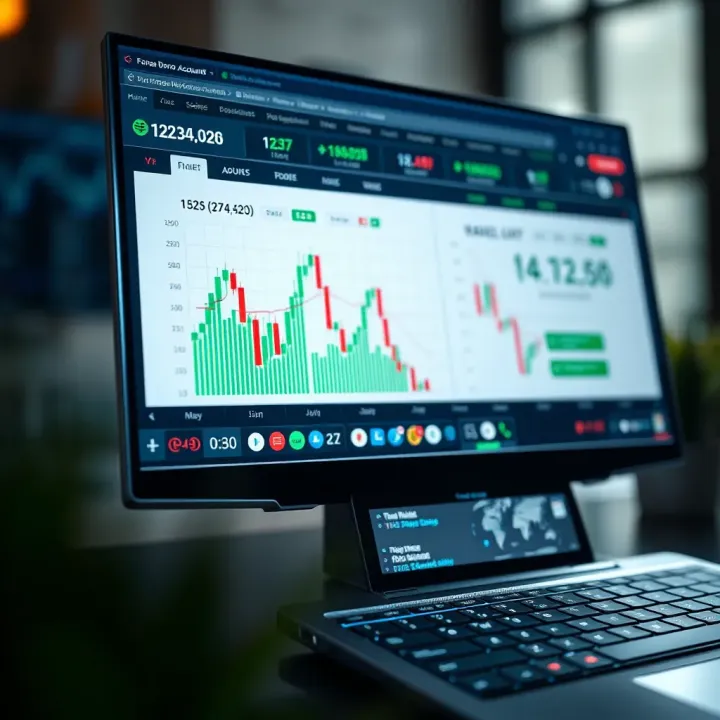
💹 Learn how forex demo accounts help Indian traders practise currency trading with virtual money risk-free, plus top tips to switch confidently to live markets.
Based on 8 reviews