
Understanding Crypto Trade for Indian Investors
Explore crypto trading essentials for Indian investors 🇮🇳. Understand trading methods, regulatory landscape, risks, and practical tips to navigate the crypto market confidently.
Edited By
Oliver Hughes
Gold has always held a special place in Indian culture and economy, but when you add currency fluctuations into the mix, understanding the forex gold rate becomes essential for investors. The forex gold rate reflects how gold prices change in terms of foreign currency exchange values, impacting not only buyers but also sellers, traders, and financial institutions dealing with gold.
For Indian investors, the rupee-dollar exchange rate plays a key role. When the Indian rupee weakens against the US dollar, gold priced in dollars usually becomes costlier in rupee terms. This happens because gold is globally traded in US dollars, so any shift in currency affects the final price in INR.
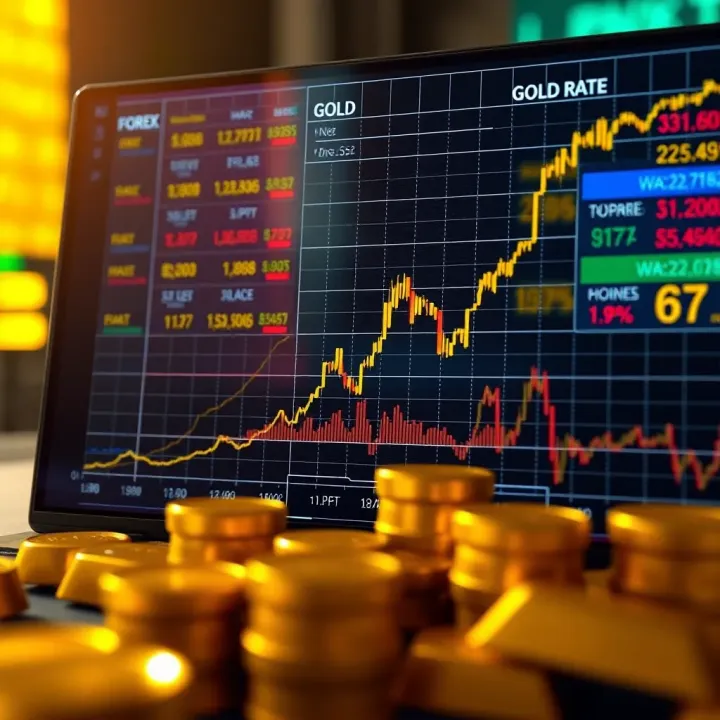
The forex gold rate acts like a bridge connecting currency markets and gold prices, influencing investment decisions daily.
Understanding this relationship helps traders and investors anticipate price moves effectively. For example, if the rupee is under pressure due to rising crude prices or geopolitical tensions, gold tends to become a preferred safe haven, pushing demand and prices higher.
Currency fluctuations: The rupee's strength or weakness against the dollar directly affects gold prices in India.
Global economic indicators: Inflation data, interest rate decisions (by the US Federal Reserve or RBI), and economic growth numbers impact both forex and gold markets.
Supply and demand dynamics: Jewellery demand during Indian festivals or monsoon seasons can raise local gold prices beyond forex influences.
Geopolitical events: Any global uncertainty encourages capital flow towards gold, increasing its price in foreign exchange terms.
For investors and traders, keeping an eye on these factors alongside forex trends can improve timing decisions on buying or selling gold. Tools like real-time forex updates, market analysis, and price charts are valuable to track shifts.
In summary, comprehending how forex gold rates work helps you navigate the gold market with more confidence, especially during volatile currency phases. The combined effect of currency moves and gold trends paints a clearer picture for making profitable investment calls in India.
Understanding the forex gold rate is essential for anyone looking to invest in gold or conduct business involving gold imports and exports. The forex gold rate ties together currency exchange rates and gold prices, which can fluctuate independently yet influence each other significantly. For Indian investors, keeping an eye on this rate can guide better timing for buying or selling gold assets.
The forex gold rate refers to the price of gold quoted in foreign currency terms, most commonly the US dollar. Since gold is traded globally, its standard price is set in dollars on international markets. For an Indian investor, this means that any fluctuation in the rupee-dollar exchange rate directly influences the rupee price of gold. For instance, if the US dollar strengthens against the rupee, the same amount of gold will cost more rupees even if its dollar price remains unchanged.
The intersection happens because gold is both a commodity and a form of currency. When forex rates change, they impact gold prices and vice versa. A weak local currency usually drives gold prices up domestically as importing gold becomes costlier. Meanwhile, global gold demand and supply conditions influence dollar prices, affecting forex rates. Traders in India watch the rupee-dollar rate closely alongside global gold prices to estimate potential shifts in the local gold market.
For investors holding gold, especially in physical or paper form like ETFs and sovereign gold bonds, the forex gold rate affects returns significantly. If you bought gold when the dollar was weak against the rupee but it has since gained strength, your investment may show gains in rupee terms even without a sharp change in the dollar price of gold. Conversely, adverse currency movements can erode returns.
India imports nearly 800-1,000 tonnes of gold annually, making it crucial to understand forex gold rates. Importers factor in the rupee-dollar exchange rate and global gold price to set the cost price for jewellery makers. A rising dollar or gold price can push up costs, which often get passed on to consumers. During wedding or festival seasons, these fluctuations affect pricing and demand. Thus, jewellers and consumers alike monitor forex gold rates to make informed purchasing decisions.
Keeping tabs on forex gold rates helps you anticipate price shifts and manage your investments more strategically, especially in the Indian context where currency swings greatly impact gold costs.
In summary: The forex gold rate plays a key role in shaping investment returns, trade pricing, and consumer behaviour in India’s gold market. Understanding its dynamics brings clarity to investment decisions and trading strategies.
The forex gold rate doesn’t operate in a vacuum. Several key factors influence it, especially for Indian investors. Understanding these elements helps traders and investors anticipate price changes better and make informed decisions.
Gold prices in India are heavily influenced by the rupee-dollar exchange rate. Since gold is priced internationally in US dollars, a weakening rupee means Indians need more rupees to buy the same amount of gold. For instance, when the rupee falls from ₹75 to ₹77 against the dollar, the local price of gold tends to rise even if global gold prices remain steady. This effect pushes up gold import costs, directly impacting domestic prices.
The strength of the rupee against the dollar also determines import costs since India imports over 80% of its gold demand. A stronger rupee reduces the rupee value of dollar-denominated gold imports, easing price pressures. Traders and jewellers closely watch these currency movements, since even a slight shift affects inventory costs. Import duties and GST add to the final gold price, but currency strength remains a primary driver.
Gold often acts as a hedge against inflation. When inflation rates rise globally, real returns on fixed-income investments decline, making gold more attractive. Conversely, higher interest rates increase the opportunity cost of holding gold, which yields no interest, leading to price drops. For example, the US Federal Reserve hiking rates often pulls global gold prices down. Indian investors feel these swings because they affect both the dollar price of gold and the rupee-dollar exchange.
Episodes like regional conflicts, trade wars, or political uncertainty push investors towards safe havens—gold being a top choice. For example, geopolitical tensions in the Middle East or strained US-China relations can cause sudden spikes in gold prices worldwide. Understanding these events helps Indian investors predict temporary price shocks and plan purchases or sales accordingly.
Global gold supply from mining decreases slowly over time, with new discoveries increasingly rare. Central banks, including the Reserve Bank of India (RBI), that hold significant gold reserves, also influence market sentiment. When central banks buy more gold, it reduces market availability and tends to raise prices. Conversely, sales or releases from reserves can dampen price rises.
India stands as one of the largest gold consumers, driven by cultural affinity for jewellery, especially during festivals and weddings. Demand surges during Diwali or wedding seasons can push domestic prices up sharply. In years with lower wedding activity or economic challenges, demand dips. Traders track these seasonal patterns closely, as they interact with forex rates to decide the best time for buying or selling gold.
For Indian investors, keeping an eye on these factors together—currency moves, global economics, and local demand—provides the edge needed to manage exposure and optimise returns when dealing with forex gold rates.
Understanding the relationship between forex and gold rates is essential for Indian investors because these two elements directly shape the price and availability of gold domestically. India being one of the top gold consumers globally relies heavily on imports, which means fluctuations in the dollar-rupee exchange rate significantly influence how much investors pay for gold. This section focuses on how currency movements affect gold prices and how those changes trickle down to consumers, traders, and the jewellery industry.
India imports nearly 80% of its gold demand, mostly priced in US dollars. When the rupee weakens against the dollar, it takes more rupees to pay for the same quantity of gold, pushing up the domestic gold price. For example, if the dollar rises to ₹82 from ₹75, gold importers need to pay an extra ₹7 per dollar, increasing the cost of gold imports. Customs duties, currently around 12.5%, add to this price. These duties are fixed in rupees but calculated on the dollar price, so any forex rate change directly impacts the landed cost. As a result, importers pass on these higher costs to retailers, leading to increased prices for consumers.
Domestic gold prices tend to follow international trends adjusted for forex moves and taxes. On days when the rupee strengthens sharply, say from ₹82 to ₹79 against the dollar, gold prices in India may see a slight dip even if global rates remain steady. Seasonal demand spikes during festivals like Diwali or wedding seasons also affect prices, but these currency-driven adjustments often determine the price floor. Investors must watch both global gold rates and USD-INR movements, as ignoring either can result in missed opportunities or unexpected losses.
Festivals and wedding months see a surge in gold purchases, but consumers remain sensitive to price changes caused by forex fluctuations. If the rupee weakens in October before the Diwali season, jewellers often raise prices early, impacting buying decisions. Even a small rise in gold rates may prompt buyers to accelerate their purchases or defer them, hoping the rupee strengthens later. For example, during the 2023 wedding season, some local jewellers adjusted prices multiple times to reflect forex movements, influencing consumer sentiment and stock levels.
With gold prices fluctuating, many buyers prefer credit options or EMI (equated monthly instalment) schemes offered by jewellers and banks. These schemes help spread the cost, making purchases more manageable despite price volatility. EMI offers attract middle-class buyers in metro and tier-2 cities, particularly when prices rise suddenly due to rupee depreciation. The jewellery industry leverages these schemes during peak seasons to sustain sales momentum, while consumers appreciate the financial flexibility without locking their funds in physical gold entirely.
Tracking dollar-rupee dynamics alongside global gold prices provides Indian investors and traders with a more precise forecast of their portfolio values and purchase timing.
By grasping these connections, investors and jewellers alike can make informed decisions, balancing risks from currency swings and gold price changes effectively.
Keeping a close watch on forex gold rates is vital for making informed investment choices in India. Since the gold price in the domestic market heavily depends on both the global gold rate and the exchange rate of the Indian rupee against the US dollar, understanding these fluctuations helps investors decide the best moments to buy or sell. For traders and investors, timely information about forex gold rates can spell the difference between profit and loss.
Official market data platforms provide accurate and up-to-date information on gold prices and forex rates. Platforms like the Multi Commodity Exchange of India (MCX) publish real-time gold futures prices, while the Foreign Exchange Dealers’ Association of India (FEDAI) offers detailed forex rate data. These sources are trusted by professionals because they reflect market movements precisely, helping investors avoid relying on outdated or speculative figures.
Accessing these official platforms is especially useful during volatile periods when global events cause rapid price shifts. For example, if geopolitical tensions cause the dollar to strengthen suddenly, exporters and gold traders can track exact changes and adjust positions quickly. This data transparency improves decision-making and reduces risks linked with guesswork.
Mobile apps and financial news portals relevant in India have become increasingly popular tools for tracking gold and forex rates on the go. Apps like Moneycontrol, ET Markets, and the official MCX app deliver timely updates and notifications customised for the Indian market. These apps combine forex price feeds and gold rates, making it easier for investors to see the interplay between the two without switching platforms.
Moreover, the convenience of mobile apps means traders or retail investors can react immediately to market trends, such as Reserve Bank of India (RBI) policy changes or international trade news affecting currency values. The inclusion of expert analysis and price forecasting in these portals also offers added insights that aid in investment planning.
Hedging techniques for importers and traders form an important risk management tool. Businesses involved in gold imports often use currency forwards or futures contracts to lock in exchange rates in advance, protecting themselves from sudden rupee depreciation. Similarly, gold traders might use futures contracts to fix selling prices, limiting exposure to market swings.
For instance, a major gold importer in Mumbai might enter into a forward contract to buy dollars at a pre-agreed rate for a shipment arriving in two months. This approach minimises uncertainty, allowing better cost planning even if forex markets become turbulent.
Timing purchases and sales based on market trends is another practical strategy. Investors keeping tabs on seasonal trends, economic data releases, or political events can plan transactions when rates favour them. Historically, gold prices show some seasonal softness post-festive seasons, while forex rates may fluctuate before RBI meetings or global economic announcements.
By combining technical analysis with knowledge of economic calendars, traders can enter or exit the market at opportune moments. For example, delaying a gold purchase slightly following a rupee rally might result in a more favourable price, increasing the overall return on investment.
Monitoring forex gold rates in real time and applying smart risk management techniques helps Indian investors stay ahead in a market influenced by both international economics and local dynamics.
This proactive approach suits various market participants — from day traders looking for short-term gains to long-term investors planning diversification via gold holdings. Understanding where and how to access reliable data, alongside practical hedging and timing strategies, sharpens investment decisions in India's evolving forex and gold markets.
Understanding the future outlook of forex gold rates is essential for Indian investors and traders. Currency exchange and gold prices are tightly linked, and anticipating their movements can help manage risks and seize timely investment opportunities. With shifting global economic events and advancing technology, the forex gold rate landscape is changing, impacting import costs, inflation, and investment returns.
Digital currencies and financial technology (fintech) are increasingly influencing global forex and gold markets. Platforms like blockchain-based payment systems and cryptocurrencies are introducing new ways to trade and hold gold, often bypassing traditional channels. For example, blockchain tokens backed by gold reserves allow investors to buy fractional gold shares easily, with faster settlements and reduced costs.
In India, fintech firms are integrating these solutions into existing payment systems like UPI (Unified Payments Interface), offering investors simpler access to gold investment through mobile apps without visits to physical stores. This trend could reduce reliance on physical gold, especially among younger investors, and may cause shifts in demand patterns that impact forex gold rates.
Trade policies shape how gold moves across borders and influence costs for India, which imports around 80% of its gold. Tariff changes, export restrictions from major producers like China or Russia, or shifts in customs duties can directly affect gold prices in rupees. For instance, if a key supplier imposes export limits, the reduced supply may push up global gold prices, which combined with a weak rupee, can sharply increase import bills.
India's ongoing efforts to streamline import policies and reduce gold smuggling could also impact official forex gold rates. Monitoring global trade agreements and geopolitical events remains critical for anticipating such policy shifts that sway gold's availability and price.
Since India depends heavily on gold imports, changes in forex gold rates affect the overall import bill and, in turn, inflation. A depreciated rupee means it requires more rupees to buy the same amount of gold, driving up prices domestically. This inflation pushes up costs in jewellery, investments, and sometimes consumer goods linked indirectly to gold.
For example, rising gold prices influenced by adverse currency movements have been known to contribute to retail inflation spikes in India’s Consumer Price Index. Traders and financial analysts often watch forex gold trends closely to gauge possible inflationary pressures, especially during festival seasons when gold demand surges.
Currency movements create both risks and chances for investors. When the rupee weakens against the dollar, gold prices in India tend to rise, offering an opportunity for those holding gold or gold-linked assets. Investors can use this knowledge to time their purchases or sales, safeguarding returns or maximising gains.
Systematic Investment Plans (SIPs) in gold ETFs and sovereign gold bonds offer practical routes to benefit from forex gold rate trends without the hassles of physical gold storage. In contrast, traders active in forex markets may hedge currency risk through derivatives while maintaining gold positions.
Staying informed about shifts in forex gold rates helps Indian investors not only protect wealth but also spot profitable entry and exit points in volatile markets.
In summary, keeping an eye on evolving fintech trends, global trade policies, and their impact on the Indian economy can empower investors to navigate the complex relationship between forex and gold rates more effectively.
Explore crypto trading essentials for Indian investors 🇮🇳. Understand trading methods, regulatory landscape, risks, and practical tips to navigate the crypto market confidently.

Choose the best trading sites for equities, commodities & currencies with our practical guide for Indian investors 🔍 Compare features, fees, security & support effectively.
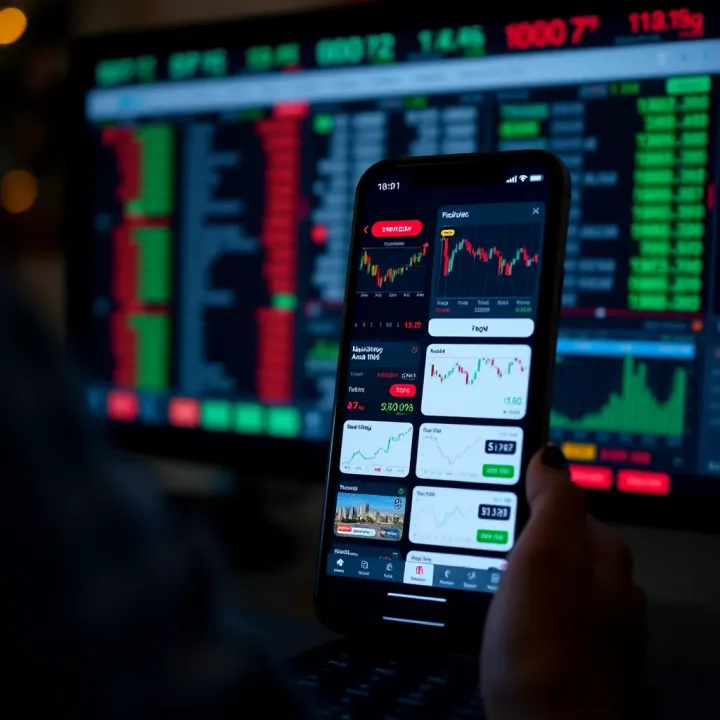
Explore top trading apps for Indian investors 📱 Find how to choose the best platform with security, features, user experience and investment goals in mind.
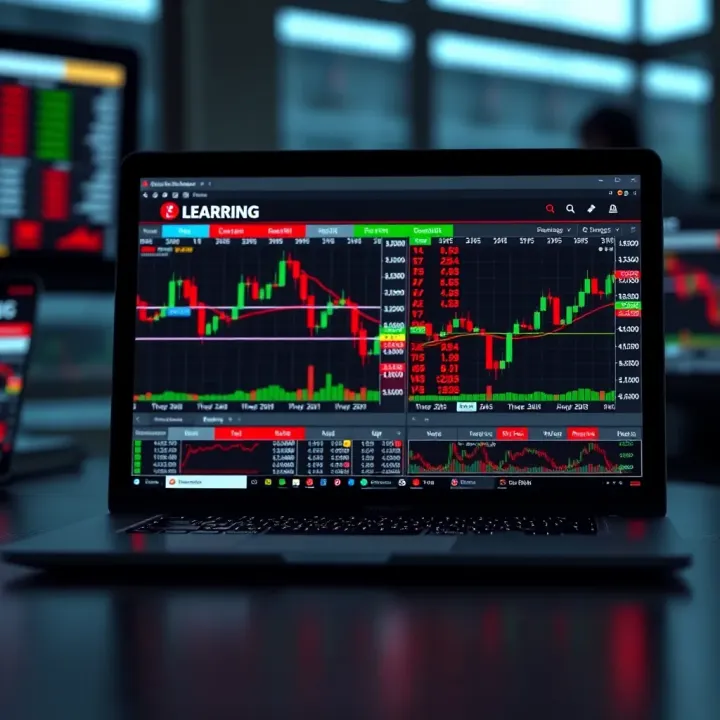
📈 Learn demo forex trading to practice currency markets risk-free! Get tips, benefits, and strategies tailored for Indian beginners to trade confidently live.
Based on 10 reviews