

Brexit Millionaire: Wealth Trends and Opportunities
Explore how Brexit millionaires amassed wealth through market shifts post-Brexit 🇬🇧. Learn growth factors, key profiles, investor impact, challenges, and tactics.
Edited By
Emily Carter
Bobby Jain stands out in India's entrepreneurial scene for his significant contributions to the food and beverage sector. From the beginning, Jain combined a sharp business sense with an eye for culinary innovation, transforming not just products but also consumer experiences. Traders and investors following emerging sectors would find his journey insightful, given how his ventures influenced market dynamics.
He began by identifying gaps in the Indian food market, which was then largely traditional and fragmented. Introducing new concepts—whether it was artisanal foods or novel packaging—Jain consistently pushed the boundaries. His leadership style is marked by a hands-on approach and adapting quickly to customer feedback, a strategy that helped him scale businesses efficiently.
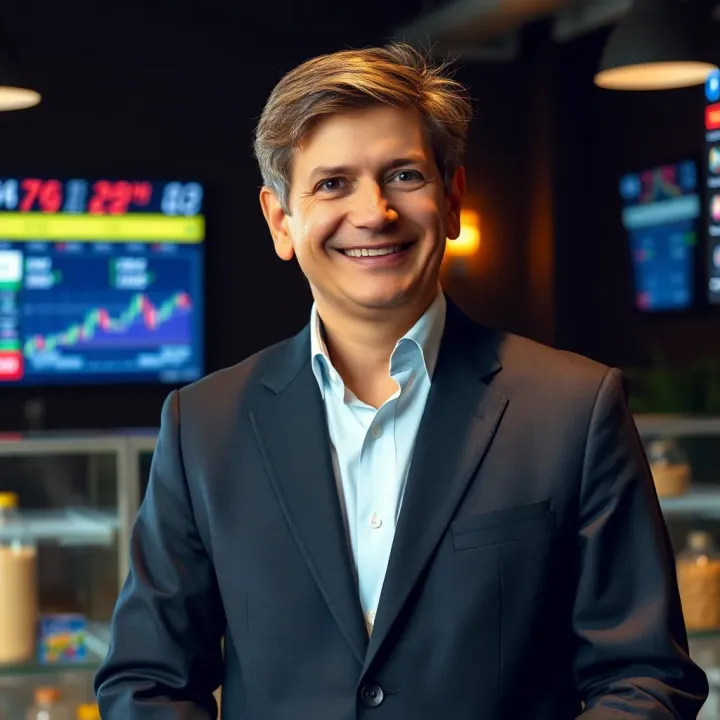
Key aspects that make his entrepreneurial journey relevant to financial analysts and stock brokers include his ability to spot growth trends early and drive sustainability in business models. His ventures did not rely on fleeting fad but focused on adding lasting value, ensuring steady returns and market presence.
Jain's success underlines how blending innovation with careful market analysis can open new avenues, even in established industries.
To appreciate Jain's impact:
Market Disruption: He introduced category-defining products which reshaped consumer preferences.
Growth Strategy: Prioritised scalable operations with a focus on quality control and supply chain optimisation.
Leadership: Empowered multi-disciplinary teams, fostering innovation and agility.
Understanding this framework helps traders and investors evaluate similar entrepreneurial ventures with a grounded perspective, especially in sectors linked to consumer behaviour and retail. Jain's story is a practical case of how visionary entrepreneurship can influence India’s evolving market landscape, offering lessons in risk, innovation, and growth strategy.
Bobby Jain's early life played a key role in shaping his entrepreneurial outlook and business acumen. Understanding his background helps investors and analysts see how his values and decisions evolved, which in turn influenced the ventures he built in the food industry.
Bobby Jain comes from a family with strong business traditions, deeply connected to Indian culture and community values. Growing up in such an environment instilled in him a respect for hard work and an appreciation for Indian culinary heritage, which later became a cornerstone of his brand identity. This cultural foundation enabled him to blend traditional flavours with modern business practices, appealing to a diverse customer base.
His academic journey included studies in commerce and management, providing a solid grounding in key concepts like finance, marketing, and operations. This education was critical in helping him navigate complex business challenges ahead. Moreover, his formative years involved active participation in college-level business competitions and internships, offering practical exposure that sharpened his problem-solving skills and market understanding.
Bobby Jain gained firsthand experience in running family-owned ventures, which taught him about inventory management, supplier relations, and customer service from an early age. Working in such settings helped him grasp the importance of operational efficiency and the need for innovation to stay ahead. For instance, he learned how introducing simple process improvements could boost profitability—a lesson valuable for his later expansions.
Mentorship from senior family members and industry veterans significantly influenced his entrepreneurial mindset. Their guidance stressed resilience, ethical business conduct, and customer focus. These traits became embedded in his leadership style. One mentor, in particular, advised him to keep a close eye on evolving consumer trends, which motivated Bobby to innovate continually and anticipate market shifts — crucial for sustaining growth in India's competitive food sector.
Early experiences and mentorship equipped Bobby Jain with a balanced mix of traditional values and modern business savvy, setting the stage for his impactful entrepreneurial journey.
This foundation helps traders and investors understand the rationale behind his strategic moves and the steady growth trajectory of his enterprises.
Bobby Jain’s entry into the food industry marked a significant step in establishing his business footprint. This phase was all about translating a vision into a tangible brand that could compete in India’s bustling culinary market. For traders and investors, understanding this phase reveals how a clear concept and market insights can convert an idea into a profitable venture.
When Bobby Jain started out, he focused on identifying gaps in the existing food market. He paid close attention to urban consumer preferences, noticing a rising demand for fusion cuisine that blended traditional Indian flavours with international styles. His research included neighbourhood-level surveys and studying competitors’ offerings, which helped him craft a concept that was neither too experimental nor too generic. This groundwork ensured that his brand had a clear identity and catered to an emerging segment of young urban consumers.
The early days weren’t without hurdles. Securing locations with good footfall was tough, as the commercial spaces suited to his brand’s profile had high rents. Bobby Jain also faced difficulties in building a supply chain for fresh, quality ingredients while keeping costs manageable. To tackle these challenges, he adopted a lean operational structure, negotiated bulk purchase deals directly with suppliers, and focused on digital marketing to build initial traction. These strategies helped control expenses and build a loyal customer base without heavy initial investments.
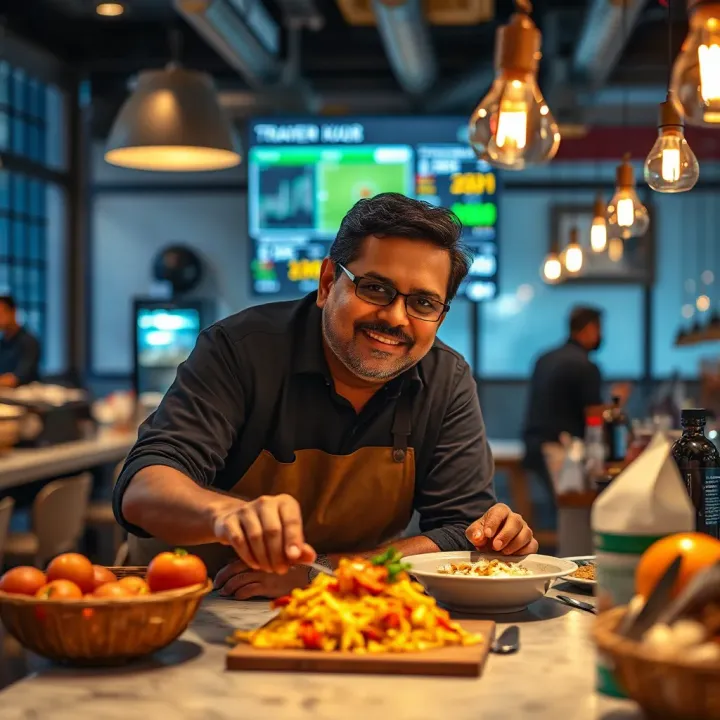
As demand grew, expanding operations became a priority. Bobby Jain introduced standardised processes across outlets to maintain quality and speed. He emphasised hiring staff with not just skills but customer-first attitudes, creating a culture that valued service consistency. Training modules for new hires were developed internally to ensure every team member understood the brand’s vision. This approach helped his enterprise scale smoothly while preserving brand integrity across locations.
Innovation wasn’t limited to scaling; it showed up in the menu too. Bobby Jain pushed for seasonal menu updates and experimented with local ingredients to keep the offerings fresh and relevant. He also integrated user feedback from social media channels into product development, ensuring the brand stayed in tune with evolving tastes. One notable innovation was the early adoption of digital ordering and payment systems, which made the customer experience seamless and ahead of many competitors. This blend of culinary creativity and technology gave the brand a competitive edge in a crowded market.
Success in the food industry requires more than just good recipes — it's about understanding your market, fine-tuning operations, and constantly innovating to meet customer expectations.
For investors watching market strategies, Bobby Jain’s approach underlines the importance of data-driven decisions even in traditional industries like food. His journey from concept to expansion offers valuable lessons on balancing growth with sustainability and customer focus.
Leadership style and entrepreneurial approach form the backbone of Bobby Jain's success. In a competitive market like India’s food industry, strong leadership steers the company through uncertainties, while an adaptable entrepreneurial mindset keeps it relevant. Recognising this balance helped Jain carve a niche, merging creative food concepts with sustainable business strategies.
Balancing creativity with pragmatism is essential for any entrepreneur aiming to innovate without losing sight of market realities. Jain has demonstrated this by launching unique menu items that reflect evolving consumer tastes while ensuring investments remain financially viable. For example, he introduced fusion cuisine in his outlets only after thorough testing and small-scale rollouts, avoiding large upfront expenses that could have strained resources.
When it comes to key business decisions, Jain highlighted the need to take calculated risks. He once decided to shift part of his sourcing to local farmers despite initial cost concerns. This decision not only cut logistics expenses but also enhanced the freshness and appeal of the offerings, showing how judicious risk-taking can translate to operational and branding advantages.
Jain's hiring philosophy centres on diversity and capability. He prefers candidates who bring fresh perspectives and a willingness to learn over mere credentials. This approach has fostered a workforce that adapts quickly to changing trends and contributes innovative ideas actively.
Fostering innovation and collaboration goes beyond just hiring. Jain encourages open communication channels and cross-functional teamwork. Regular brainstorming sessions and feedback loops ensure that every team member’s voice adds value. This culture of inclusiveness helps break silos and drives continuous improvement, vital for staying ahead in India’s dynamic food market.
Robust leadership combined with an entrepreneurial spirit not only drives business growth but also creates a resilient organisation ready to face future challenges.
Creativity and pragmatism: Key for introducing new concepts without overextending.
Calculated risks: Essential for operational upgrades and market positioning.
Diverse hiring: Brings fresh ideas and adaptability.
Collaborative culture: Strengthens innovation and teamwork.
Such strategies define Bobby Jain's approach, making his ventures attractive to investors looking for stable yet progressive opportunities in India's growing culinary sector.
Bobby Jain’s influence on India’s culinary scene isn’t just about serving good food; it’s about changing how people experience and think about food. His ventures have introduced fresh flavours and concepts that have broadened the choices available to Indian consumers. For traders and investors, this impact is significant because it reflects evolving consumer preferences and market trends, shaping demand patterns.
Bringing new flavours and concepts
Bobby Jain has been instrumental in introducing cuisines and dining experiences that were once niche or unfamiliar to most Indians. For example, his chain of contemporary cafes brought craft coffee culture and fusion snacks to cities beyond the metros, expanding the market for premium and experimental food items. This shift boosts opportunities for suppliers and franchises keen on tapping into evolving tastes.
His efforts to blend traditional Indian elements with international influences have helped create unique products that appeal widely. These innovations don’t just attract new customers but also maintain a loyal base seeking novelty. This approach signals the importance of continuous product development in the food industry for sustained growth.
Response from consumers and critics
Consumers have generally welcomed Jain’s innovations warmly, appreciating the balance between novelty and familiarity. Positive consumer feedback has translated into increased footfall and higher average spending per customer. From an investor’s perspective, such acceptance suggests long-term viability.
Critics have noted Jain's balancing act between bold experimentation and quality control. While some purists question the fusion approach, overall, the industry has recognised his role in elevating dining standards and stimulating competition. Market analysts often see this as a sign of a maturing food market where differentiation becomes key to survival.
Setting benchmarks in quality and service
Jain’s businesses emphasise high standards in both ingredients and customer experience. His strict quality control protocols ensure consistency, often setting new benchmarks. For example, his outlets were among the first in their segments to adopt detailed sourcing transparency, reassuring customers amid growing health concerns.
Service innovation includes training staff on customer interaction and streamlining order fulfilment to reduce wait times. These improvements directly impact customer loyalty and operational efficiency, crucial metrics for evaluating a food service investment.
Adoption of technology and modern practices
Bobby Jain has consistently embraced technology to optimise operations. His ventures use data analytics to track customer preferences and inventory, enabling smarter procurement and menu planning. For instance, adopting AI-driven demand forecasting has helped reduce waste and improve margins.
Additionally, digital ordering platforms and contactless payments have been integrated early, especially during the pandemic, to maintain business continuity. This agility in adopting tech positions his companies ahead in a competitive market and signals good governance and future-readiness to stakeholders.
Bobby Jain’s impact highlights how innovation and operational excellence in the food sector can align with changing market demands, providing valuable clues for investors and traders analysing sector growth potential.
Every business journey has its share of hurdles, and Bobby Jain's experience spotlights how confronting challenges shapes an entrepreneur’s path. Understanding these challenges offers valuable lessons, particularly for traders and investors eyeing the dynamic food sector. Jain’s story reveals tactical moves and adaptability that helped him navigate stiff competition and shifting economic landscapes, ultimately contributing to his resilience and success.
Entering a market dominated by well-known brands demands strategic differentiation. Bobby Jain faced this head-on by carving a niche through quality and innovation rather than directly competing on price. His ventures adopted unique culinary concepts while maintaining consistent quality, which helped create a loyal customer base despite the presence of major players. This approach is crucial for investors to gauge how a new enterprise can sustainably position itself against entrenched competitors without burning cash.
Moreover, Jain emphasised building relationships with suppliers and stakeholders, ensuring supply chain reliability and cost efficiency—key advantages when going against established companies with deeper pockets. For financial analysts, observing such operational strengths offers insight into a venture's long-term viability.
The food industry is prone to rapid changes in consumer taste and lifestyle trends. Jain ensured his brand stayed relevant by continuously tracking market signals and being quick to adapt menu offerings or service models accordingly. Introducing healthier options, embracing regional tastes, or incorporating tech-enabled ordering systems helped keep the brand timely and appealing.
This responsiveness to change highlights a critical success factor for businesses in highly competitive sectors. For traders and investors, such agility signals management’s awareness and preparedness, lowering risks tied to market shifts.
Jain’s ventures were mindful of evolving regulatory frameworks such as food safety standards and GST compliances, key areas for Indian food businesses. Maintaining strict adherence avoided operational disruptions and penalties. Simultaneously, shifting consumer preferences influenced by health consciousness or sustainability demanded adjustments in sourcing and product development.
Being proactive in these areas gave Jain an edge to comply efficiently and meet consumer expectations, factors critical to sustain market trust and profitability. Financial analysts looking at such enterprises benefit when management tracks regulatory updates closely, limiting exposure to unexpected liabilities.
Economic slowdowns or sudden events like the COVID-19 pandemic posed formidable challenges. Jain responded by pivoting to cloud kitchens and delivery-only models, cutting overheads while meeting demand through digital platforms. This flexibility preserved revenue streams and even opened avenues for new customer segments.
Such crisis adaptations offer important signals to investors about a company's resilience and innovative problem-solving capacity. They also reflect management's readiness to rethink traditional business models in favour of more agile, tech-driven approaches to weather uncertainties.
The ability to tackle competition smartly, adapt swiftly to market and regulatory changes, and remodel business approaches during crises has been crucial to Bobby Jain's entrepreneurial journey and offers valuable lessons for those navigating India's evolving economic landscape.
Bobby Jain is focusing his future efforts on expanding his footprint in emerging market segments within India's dynamic food industry. He recognises growing consumer interest in health-conscious and eco-friendly dining options, which presents a strong business opportunity. For example, Jain plans to launch a chain of plant-based eateries targeting metro cities, capitalising on rising vegetarian and vegan choices among urban consumers. This approach aligns with evolving dietary trends while tapping into the premium segment of the market.
On top of that, he sees potential in tier-2 and tier-3 cities, where modern food delivery and quick-service formats are gaining traction. By introducing affordable, quality offerings tailored to local preferences, he aims to bridge the gap between traditional and contemporary dining. This strategy works well to capture untapped demand in less saturated regions, thereby enhancing overall market presence.
Jain's upcoming projects focus on sustainability and integrating technology across operations. He is exploring solar-powered kitchens to reduce energy costs and environmental impact, showing his commitment to greener business practices. Moreover, he is investing in AI-driven supply chain management to optimise inventory and minimise waste—efficiency that cuts costs and improves service reliability.
Both these moves demonstrate how smart technology and sustainability can coexist profitably. Adopting renewable energy and automation will not only attract eco-conscious customers but also appeal to investors looking for forward-thinking ventures with long-term viability.
Bobby Jain encourages aspiring entrepreneurs to maintain resilience and stay adaptable amidst changing markets. He often stresses the value of continuous learning and listening to consumer feedback as key to innovation. His message is clear: success demands a balance between bold ideas and grounded execution.
Besides his business achievements, Jain actively mentors start-ups through incubation programmes, supporting fresh talent with practical guidance. His role as an influencer extends beyond profit; he inspires a new generation to pursue entrepreneurial goals with integrity and vision. By sharing his experiences openly, he motivates others to embrace challenges while focusing on impactful, sustainable growth.
"Entrepreneurship is about solving real problems with passion and persistence," Jain often says—a reminder that his future endeavours intend to do just that.
Explore how Brexit millionaires amassed wealth through market shifts post-Brexit 🇬🇧. Learn growth factors, key profiles, investor impact, challenges, and tactics.

🔎 Explore how crypto market sentiment shapes prices and trading decisions in India. Understand measurement methods, influencing factors, challenges, and market impact.

Discover ECOS mining and its eco-friendly technology shaping sustainable mining in India 🌱 Explore its methods, benefits, challenges, and impact on environment and economy.

Discover key forex session times across global markets and how these impact trading. Learn best hours and tips for Indian traders to maximise returns! 📈🌏
Based on 6 reviews