

Understanding Forex Trade Demo Accounts
Learn how forex trade demo accounts let beginners practise trading risk-free 📈 Gain tips to choose and use demo accounts effectively to sharpen skills before investing real money.
Edited By
Jack Phillips
Forex trading can feel like stepping into a bustling market in Mumbai for the first time—exciting but also a bit overwhelming. Indian traders often hesitate to dive straight into live currency trading due to the risk of losing real money. That's where a forex demo account becomes useful.
A forex demo account is a virtual trading platform provided by brokers that lets you practise buying and selling currency pairs without using your own money. It simulates live market conditions using real-time price data, but all profits and losses are virtual. For instance, if you open a demo account with ₹1,00,000 virtual capital, you can trade just like with a live account, but the financial exposure is zero.
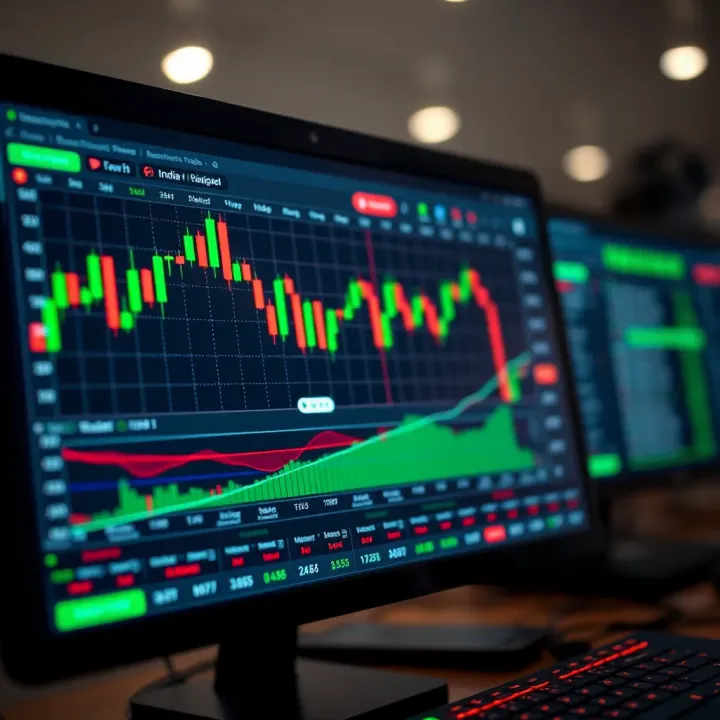
Demo accounts act as a training ground, allowing you to test strategies, understand market behaviour, and build confidence before risking your hard-earned money.
Demo accounts offer Indian traders several benefits:
Risk-free practice: Learn how to execute trades, set stop-losses, and manage positions without financial pressure.
Familiarity with trading platforms: Indian brokers like Zerodha, ICICI Direct, and Upstox offer demo accounts to help traders get comfortable with their interfaces.
Strategy testing: You can try out different approaches such as scalping or swing trading to see what works best.
Deepening market understanding: Track currency pairs like USD-INR or EUR-INR in real-time and observe how economic news impacts prices.
Understanding demo accounts also means knowing their limits. Since no real money is involved, emotional aspects like fear and greed may not appear as strongly. Plus, some brokers offer demo account conditions slightly better than live markets, such as zero slippage.
In short, a forex demo account is an essential tool for Indian traders gearing up to enter the live forex market. It helps reduce risks by building both skill and confidence gradually. In the next sections, we'll explore how to use these accounts effectively and what to watch out for before going live.
A forex demo account is essentially a practice platform allowing traders to experience currency trading without risking actual money. For Indian traders, especially freshers or those exploring forex, it's a practical tool to get hands-on without the pressure of financial loss. Demo accounts mirror many features of live trading, helping users understand the mechanics before committing real funds.
A demo account offers a simulated trading environment that closely resembles live forex markets. Traders get access to the same trading platforms, charts, and tools. However, trades happen using virtual money, so any losses or gains remain purely notional. This setup helps users learn how to navigate the platform and experiment with trades confidently.
Demo accounts come pre-loaded with virtual funds—usually a fixed amount like US$10,000 or equivalent in other currencies. These funds allow traders to place orders, test strategies, and monitor market movements as though real money were involved. Market conditions such as price fluctuations and spread variations replicate actual trading, offering a realistic feel without the risk of capital.
Almost all forex brokers operating in India provide demo accounts, reflecting industry standards. Some brokers like Zerodha, ICICI Direct, or Forex.com offer demo facilities integrated with their platforms. Availability ensures that traders can compare brokers easily based on the platforms' ease of use, available currency pairs, and other services before opting for a live account.
Demo accounts display real-time price movements and spreads mirroring live market data. For instance, if the INR/USD pair fluctuates, the demo account shows the same changes. This accuracy helps traders practice timing entries and exits effectively. However, some minute differences in spreads or slippage might occur during highly volatile periods.
Trades placed in demo accounts simulate execution using the same user interfaces as live accounts. Indian traders experience how orders like market, limit, or stop-loss are handled on platforms like MetaTrader 4 or 5, or broker-specific apps. This familiarity reduces the learning curve when switching to live trading.

Despite the realistic setup, demo accounts lack emotional pressure since no real money is involved—something critical in actual trading. Additionally, factors like varying liquidity, occasional execution delays, or margin calls are often downplayed or absent in demos. For example, during major economic announcements like RBI policy decisions, live accounts might face slippage that a demo won't simulate.
Using a forex demo account gives you a safe field to experiment and learn before stepping into the real market’s ups and downs.
Overall, understanding how a demo account functions and its practical limits helps Indian traders make better use of this risk-free opportunity. It bridges the gap between theory and real-world trading experience effectively.
Demo accounts offer Indian traders a safe space to get hands-on experience without risking real money. This helps beginners grasp the fundamentals while letting seasoned traders test new strategies. Given the volatile nature of the forex market, practising without real capital can boost confidence and reduce costly mistakes.
Building familiarity with forex terms is crucial for new traders. Words like 'pip', 'spread', 'leverage', and 'margin' come up constantly in forex, and demo accounts allow you to learn what these mean in practice rather than just theory. For instance, understanding how a 10-pip spread affects your cost can help avoid surprises when you switch to live trading.
Practising order placement and management is another big plus. Placing buy or sell orders, setting stop-loss or take-profit points, or using pending orders can feel tricky initially. By using a demo account, you can experiment with these without pressure. This way, when the market moves fast, you’ll know how to act without fumbling.
Evaluating technical analysis indicators is key for many traders. Indicators like Moving Averages, RSI (Relative Strength Index), and Bollinger Bands offer insights on currency trends and momentum. Demo accounts let you apply these tools on live charts and see how effective they are in real-time, which helps fine-tune your approach.
Experimenting with leverage and margin settings is especially important in forex as it amplifies both profits and losses. Indian traders often find high leverage tempting, but it can wipe out capital quickly if unchecked. A demo platform allows you to test different leverage ratios, understand margin calls, and manage risks before committing actual funds.
User interface experience varies widely among brokers. Some platforms are straightforward, while others come loaded with complex features. Using a demo account helps you navigate these interfaces easily and discover which platform suits your trading style. For example, you might prefer MetaTrader 4 for its simplicity or opt for a broker's proprietary app if it provides better charting tools.
Customer support testing during your demo phase is wise, especially in India where timely support can make or break your trading experience. Checking how a broker's helpdesk responds to queries, whether via chat, email or phone, gives you an idea of the support quality before investing money.
Demo accounts are more than just practice tools; they’re your dress rehearsal before the real show, helping avoid costly errors and building essential skills.
Overall, using a forex demo account can save Indian traders from many pitfalls, helping them trade smarter when they finally invest real money.
Selecting the right forex demo account is a crucial step for Indian traders who want to practise currency trading effectively without risking real money. Choosing poorly can lead to an unrealistic experience and wasted time. A tailored demo platform should reflect the actual trading conditions as closely as possible, helping traders build confidence and sharpen skills. Factors like broker reputation, account features, and compliance take centre stage here.
Traders should prioritise demo accounts offered by brokers regulated by recognised authorities such as the Securities and Exchange Board of India (SEBI) or international bodies like the Financial Conduct Authority (FCA) or Cyprus Securities and Exchange Commission (CySEC). Regulation ensures broker credibility and adherence to fair trading practices. For instance, a trader practising on a demo account from a SEBI-registered broker can be more confident that the broker respects Indian trading laws and offers secure platforms.
The length of time a demo account stays active impacts how well you can practise. Some brokers limit demo accounts to 30 days, which might feel rushed for thorough testing of strategies. Look for brokers that offer demo accounts with longer durations or the option to refresh virtual funds without limits. This means you can keep experimenting or retrying trades without worrying about running out of virtual money. For example, ICICI Direct’s demo account allows a reset of virtual funds, letting traders start fresh multiple times.
A demo account should give access to a wide variety of currency pairs, especially including popular ones like USD/INR, EUR/USD, GBP/USD, and emerging market pairs that Indian traders often watch. This variety helps traders get used to different spreads, volatility, and trading hours. If a broker’s demo limits currency pairs, it restricts learning potential. Zerodha, for example, offers a broad range of currency pairs in its demo environment, allowing traders to diversify their practice sessions.
Well-known brokers such as Zerodha, ICICI Direct, and Upstox have established themselves with reliable platforms, competitive spreads, and useful charting tools. Their demo accounts mirror live trading features closely, making the transition smoother. These brokers often provide user-friendly mobile apps and desktop platforms that Indian traders find handy. Their reputations for smooth execution, transparent pricing, and good customer service are a big plus for newcomers trying out demo trading.
Though demo accounts use virtual funds, it is useful if the broker integrates seamlessly with Indian payment systems like UPI, Net Banking, or wallets for eventual live trading. Familiarity with these can ease the switch from demo to live. Brokers such as ICICI Direct and Zerodha support popular Indian payment methods, making this a practical advantage. Knowing how deposits and withdrawals work within a single ecosystem reduces friction when you decide to invest real money.
Choosing the right demo account isn't just about practising trades — it’s about ensuring the entire trading experience prepares you well for real market conditions and safe, efficient money handling.
A forex demo account is a powerful tool only if used effectively. It simulates real trading conditions, but to benefit fully, you must treat it seriously. Setting clear goals, tracking progress, and practising discipline are vital steps to maximise learning and prepare for live trading. Without this focus, a demo account can become just a playground rather than a training ground.
Defining realistic trading targets is the foundation of structured practice. Traders often make the mistake of aiming for unrealistic profits right from the start. Instead, focus on achievable goals like mastering order placement or understanding how leverage affects positions. For example, an Indian trader new to forex might set a target of consistently executing trades while keeping losses below 2% of virtual equity. This approach helps to develop consistent habits before chasing large gains.
Maintaining a trading journal keeps you honest and helps track your progress objectively. Note the reasons behind each trade, the strategy used, and the outcome. Over time, this record reveals patterns in your decision-making and areas needing improvement. A simple Excel sheet or a dedicated app can work well. For instance, if you notice repeated losses when trading volatile pairs like USD/INR, you can adjust your strategy or risk management accordingly.
Managing emotions and discipline during demo trading is crucial. Though there’s no real money at stake, treat your virtual capital as if it’s real. This mindset helps in building emotional resilience for live trading. For example, if you find yourself making impulsive trades after a virtual loss, it indicates a need to strengthen discipline. Practising patience and sticking to your strategy in the demo phase prepares you for the rollercoaster of live forex.
Using risk management techniques while trading with virtual funds is equally important. Apply stop-loss and take-profit orders to protect your virtual balance just as you would with actual capital. This helps you understand how much you can afford to lose on a single trade without jeopardising your account. For instance, practising a 1-2% risk per trade rule in your demo account trains you to limit losses and protect your trading capital, a habit that pays off in real markets.
Indicators of readiness to switch to live trading go beyond just making profits on a demo account. Consistency is key. If you can repeatedly apply your strategy while managing risk and emotions over a period (say, one to two months), you might be ready. Also, confidence in understanding broker platforms and trade execution adds to readiness. Without this foundation, moving to a live account risks premature losses.
Choosing appropriate initial investment size matters significantly once you shift to live trading. Start small to manage real-money pressure without risking too much. Indian traders can consider investing an amount they can afford to lose, often ₹10,000–₹20,000, before increasing the stake. This helps in adapting emotionally and practically to live conditions without overwhelming stress or overexposure.
Demonstrating discipline, setting realistic goals, practising risk management, and recognising your readiness are what truly unlock the value of demo trading. The demo account is not just practice; it’s preparation for the real game.
Learn how forex trade demo accounts let beginners practise trading risk-free 📈 Gain tips to choose and use demo accounts effectively to sharpen skills before investing real money.
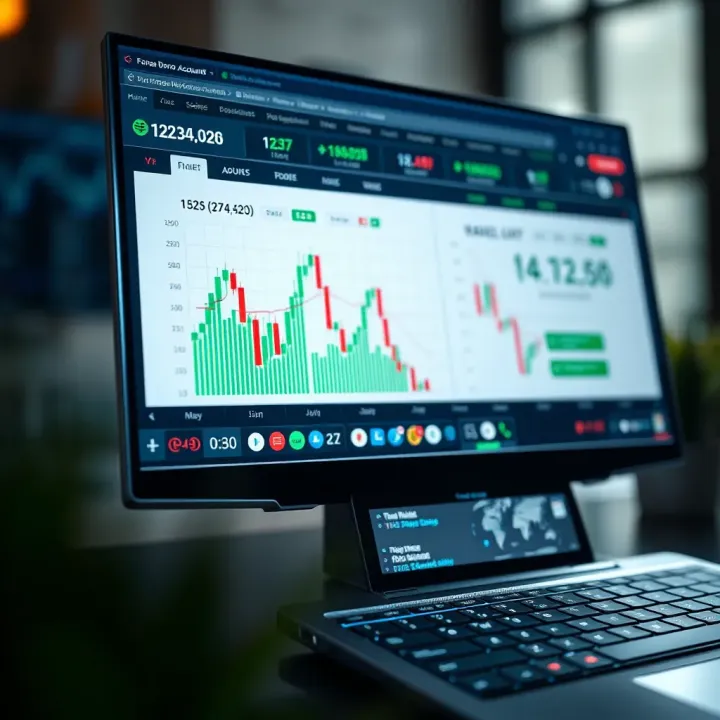
💹 Learn how forex demo accounts help Indian traders practise currency trading with virtual money risk-free, plus top tips to switch confidently to live markets.
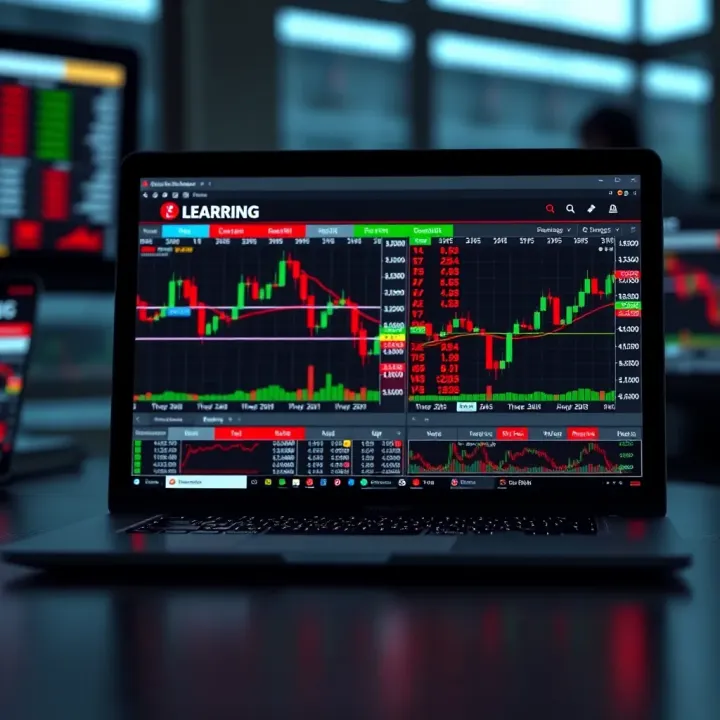
📈 Learn demo forex trading to practice currency markets risk-free! Get tips, benefits, and strategies tailored for Indian beginners to trade confidently live.
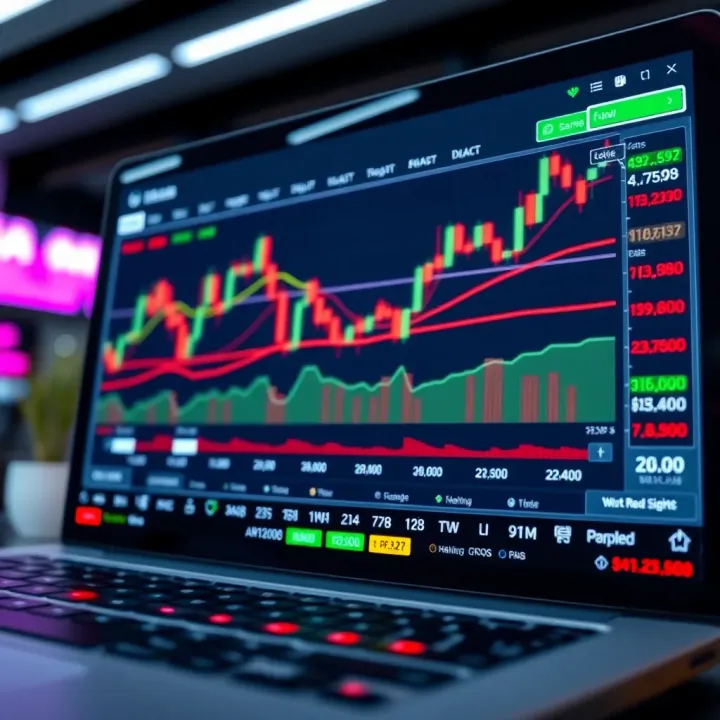
Learn how demo trade accounts help Indian traders practise and refine strategies risk-free. Discover features, benefits, tips for success, and shifting to real trading 📈💡
Based on 10 reviews