

Understanding ATH Meaning in Trading
📈 Learn what ATH (All-Time High) means in trading, how it shapes market trends, and smart strategies Indian investors can use to manage risks and spot opportunities wisely.
Edited By
Henry Mitchell
Fake trading apps have emerged as a significant threat for investors and traders, particularly in India’s rapidly growing online trading ecosystem. These apps closely mimic genuine platforms, making it difficult to distinguish between legitimate services and fraudulent ones. Unlike genuine trading platforms like Zerodha or Upstox, which operate under regulatory oversight, fake apps often promise quick profits or inflated returns only to scam users out of their hard-earned money.
These apps can manipulate trade executions, display false market data, or simply steal sensitive personal and financial information. For example, a fake app might show a growing portfolio balance to lure users into investing more, but in reality, it blocks withdrawals or disappears altogether after collecting deposits.
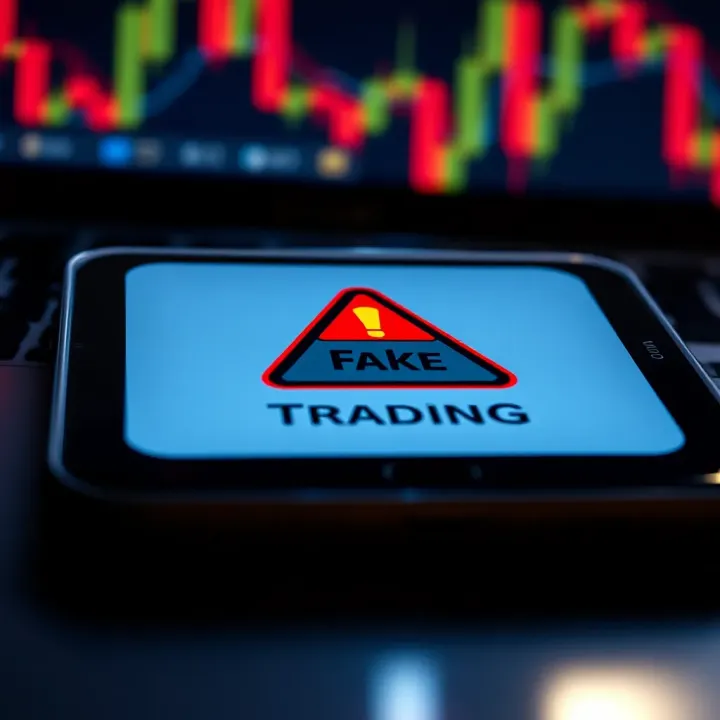
The risk of falling victim to such scams is especially high among retail investors who are new to digital trading or are unaware of the regulatory framework enforced by the Securities and Exchange Board of India (SEBI).
Suspect fake trading apps may display the following tactics:
Offering unrealistic high returns in a short period
Requesting upfront payments or deposits without clear terms
Lacking proper registration or licences with Indian authorities
Poor user interface with frequent glitches
Unsolicited messages urging immediate investment
It’s vital to understand how these apps operate so you can spot potential fraud before risking your capital. Awareness combined with simple verification steps, like cross-checking the platform on official registries, can save investors from heavy losses.
In this article, we will break down methods to detect fake trading apps, explain the legal protections available, and provide practical tips on safeguarding your investments against fraud. The goal is to empower traders and investors with clear knowledge enabling safer participation in India’s stock markets and other financial instruments.
By recognising warning signs and understanding how scammers operate, you can protect yourself from losing money and maintain confidence in digital investing platforms.
Fake trading apps pose a significant threat to retail investors and traders, especially in India, where digital trading platforms have surged in popularity. These apps mimic legitimate stock trading platforms to lure users into investing, but instead of offering genuine trading opportunities, they aim to defraud users through deceptive tactics. Understanding how these apps operate is vital for avoiding financial loss and protecting your investments.
Many fake trading apps convincingly imitate popular, trusted platforms by copying their design, logos, and user interface. For instance, an app might appear almost identical to a reputed Indian brokerage app like Zerodha or Upstox but with slight differences that go unnoticed by casual users. This impersonation builds false credibility, making users trust the platform enough to invest money.
For traders familiar with official apps, these subtle fake elements can cause confusion and mislead even experienced investors into trusting a fraudulent app.
Fake apps often attract investors by advertising unusually high monthly returns, sometimes claiming profits as high as 20% with zero risk. This pitch is unrealistic because every legitimate investment carries some level of risk. These claims exploit the greed or urgency among investors, especially those new to the market or looking for quick wins.
In practical terms, an unsolicited SMS or push notification may highlight guaranteed profits or ‘limited-time offers,’ pushing users to download and start trading immediately without proper verification.
Once users engage with these fake apps, the displayed market data, including stock prices and profit statements, are often manipulated. Users might see artificial gains on their portfolio dashboard, making it look like their investments are flourishing.
This false reassurance encourages users to invest more money or hold positions longer. However, these gains exist only on-screen; actual transactions do not occur in the stock market.
Fake trading apps simulate trade executions by showing fabricated buy or sell orders and inflated account balances. For example, a trader may place an order to buy shares, and the app will immediately display a successful transaction along with increasing profits.
These fake transactions keep users engaged and incentivise further deposits, but no real trading happens. Eventually, when users try to cash out, they find it impossible.
One common tactic involves delaying or outright blocking withdrawal requests. The app may initially allow small withdrawals to build trust but soon starts rejecting larger amounts with vague excuses or errors.

This frustrates users and pressures them to add more funds to cover perceived losses or fees, which are often fake too. Investors end up stuck with their money locked in the app.
Operators of fake trading apps frequently use aggressive methods to push users into depositing additional money. They may send constant reminders, urgent requests, or threatening messages claiming the account will be deactivated without new deposits.
They could also pose as personal relationship managers offering exclusive tips or ‘special investment opportunities’ accessible only with higher deposits.
Recognising these features early and staying clear of unverified apps saves your capital and spares you from time-consuming disputes.
Being aware of these red flags helps you stay cautious while exploring trading platforms, especially when investing your hard-earned money.
Spotting fake trading apps early can save you from significant financial losses and frustration. These apps often dress up like genuine platforms but hide warning signs that reveal their true nature. Recognising these red flags can help you steer clear before it’s too late.
Fake apps frequently boast about delivering unbelievably high returns with little or no risk. For example, an app might promise 20-30% returns per month or guaranteed profits irrespective of market conditions. These claims defy realistic investment principles and should raise immediate suspicion. These platforms also rely heavily on aggressive marketing tactics — bombarding users with pop-up ads, push notifications, or messages urging you to invest more quickly. Such pressure is a classic tactic to lure traders into depositing larger sums rapidly, often without proper due diligence.
One of the most practical ways to assess a trading app is to check user reviews. Fake apps often accumulate numerous complaints about delayed withdrawals or unexplained losses. For instance, Be aware of apps with ratings below 3 stars flooded with negative feedback mentioning fraud or withdrawal issues. Additionally, genuine trading platforms are registered with regulatory bodies like the Securities and Exchange Board of India (SEBI). If an app lacks clear mention of its regulatory approval or licence status, treat it cautiously. Verification through official SEBI or RBI listings can save you from falling into traps.
Legitimate platforms provide responsive customer support channels through phone, email, or chat. Fake apps, however, often have unresponsive or nonexistent help desks. When investors face issues, they find it hard to reach any support or receive vague replies. Another major red flag is a complicated withdrawal process — funds might get stuck, face unexplained delays, or requests to submit excessive documents arise unexpectedly. In some cases, the app may block withdrawal attempts altogether, forcing users to keep their money locked in.
Always test customer support early by asking simple questions before investing significant amounts. A genuine platform values your trust and will address concerns promptly.
By carefully monitoring these signs — unrealistic profits, poor reviews, lack of approval, and weak customer service — you can protect your investments and avoid falling victim to fake trading apps.
Fake trading apps have a significant impact not only on individual investors but also on the broader financial market ecosystem. Understanding these effects helps traders and investors better appreciate the risks involved and underscores the need for vigilance.
One of the most immediate and visible consequences of fake trading apps is the severe financial loss suffered by users. Many investors in India, especially retail investors new to equity markets, fall prey to promises of guaranteed high returns. These apps manipulate artificial profits, luring users to invest larger sums before blocking withdrawals. For example, an investor might start with ₹10,000, see their balance magically inflate to ₹50,000, and then face withdrawal denial when attempting to cash out. Such losses often run into lakhs, leaving investors stranded without legal recourse or recovery paths.
Repeated incidents involving fake apps have caused trust issues among genuine online trading platforms. Investors become wary of digital trading overall, even avoiding regulated brokers and legitimate mobile apps. This lack of confidence reduces retail participation—a key driver of market liquidity in India. If people hesitate to invest through secure means, it harms market growth and affects capital flows. For instance, a trader sceptical of all digital platforms may prefer physical brokerage offices, missing out on the efficiency and convenience of online services.
Beyond individual losses and trust issues, fake trading apps create wider problems for India’s financial ecosystem. They complicate regulatory oversight for bodies like the Securities and Exchange Board of India (SEBI), requiring extra resources to identify and blacklist fraudulent apps. Additionally, these scams strain banking and payment network systems through fake transactions and disputes. Financial institutions often face challenges reclaiming funds or tracing fraudulent activities. Moreover, such scams damage India’s position as an emerging hub for fintech innovation by discouraging investments and harming consumer confidence in digital financial services.
Fake trading apps do not just rob individuals; they shake the foundation of trust necessary for a healthy, growing market. Vigilance against such scams benefits all stakeholders in the investment landscape.
Recognising these impacts can help traders and investors steer clear of suspicious platforms and demand stricter regulatory measures. Staying informed and cautious is the best defence against becoming another victim in this growing menace.
Fake trading apps pose serious risks to investors and disrupt financial markets. Regulatory measures and legal actions are thus essential to curb these fraudulent platforms, offering protection and fostering trust in the trading ecosystem. In India, authorities have stepped up efforts to identify, block, and prosecute fake trading apps, ensuring a safer environment for both new and seasoned traders.
SEBI plays a central role in regulating stock market activities, including oversight of trading apps in India. It requires all legitimate trading platforms to register and follow prescribed guidelines related to transparency, fair trading, and data security. For example, SEBI mandates disclosures on trading risks and prevents misleading advertisements. This helps investors distinguish between genuine and fraudulent apps before they commit funds.
By setting these standards, SEBI ensures that only authorised trading apps operate, reducing the chance of fraudulent schemes flourishing. Users benefit by accessing platforms backed with regulatory compliance, customer grievance redressal mechanisms, and clear operational guidelines.
SEBI actively monitors the digital landscape and collaborates with technology firms to spot apps that impersonate legitimate platforms or make unrealistic profit claims. Once identified, these apps are blacklisted and recommended for removal from app stores. SEBI also issues public warnings about notorious apps to keep investors cautious.
This blacklisting process is crucial because fake apps frequently reappear under new names or slightly modified versions. SEBI’s efforts at continuous surveillance and swift action deter fraudsters and protect investors from falling for recurring scams.
Beyond regulation, law enforcement agencies conduct detailed investigations into reported fake trading apps. Cybercrime cells track the developers, payment trails, and victims to build cases for prosecution. These investigations sometimes lead to arrests and legal penalties, sending a strong warning to fraudsters.
For example, several arrests have been made after coordinated crackdowns in Mumbai and Bengaluru, where fake trading app syndicates were operational. Such prosecutions reinforce investor confidence by showing authorities' commitment to tackling these scams decisively.
Criminal investigations alone aren’t enough; blocking the money flow is critical. Thus, cybercrime departments work closely with banks and payment gateways like UPI, IMPS, and major card providers to freeze transactions linked to fake trading apps quickly.
This cooperation helps cut off the channels used by scammers to withdraw funds, limiting their ability to operate. It also enables faster recovery of money where possible. Banks often notify customers of suspicious transactions related to these apps, adding an extra layer of protection.
Guarding against fake trading apps requires constant vigilance by regulators and law enforcement, along with investor awareness. Together, these efforts can reduce financial fraud and maintain trust in India’s booming digital trading space.
Protecting yourself from fake trading apps is more urgent than ever, especially with rising cases targeting retail investors in India. These apps can drain your money and strike when you least expect, so knowing exactly how to guard against them is crucial. This section gives you practical steps to safeguard your investments and avoid falling prey to such scams.
Always check if the trading platform is registered with the Securities and Exchange Board of India (SEBI). Genuine brokers and trading apps must have a valid licence approved by SEBI or other relevant authorities. For example, popular platforms like Zerodha or Upstox proudly display their registration credentials. You can verify these details on SEBI’s official website. Avoid any app that does not disclose this information clearly or makes it difficult to verify. This step filters out many fake apps that operate without regulatory oversight.
Download trading apps exclusively from official app stores like Google Play Store or Apple App Store. Beware of downloading files from third-party websites or links shared on social media or messaging apps, as these often host counterfeit versions. For instance, a fake version might mimic the name of a well-known broker but contain malware or fraudulent features. Check user reviews, update frequency, and developer credentials on the store page. Trusted sources reduce the risk of installing malicious or cloned apps that could steal your data or funds.
Keep yourself updated on common scam tactics used by fake trading apps. Scams often change patterns, so regularly reading trustworthy financial news and SEBI alerts helps. Look out for warning signs like unrealistic profit promises or requests for unnecessary personal information. If you stumble across a suspicious app, report it immediately to SEBI or cybercrime authorities. Quick reporting aids in blacklisting these apps and protecting other investors. Mutual vigilance strengthens market safety.
Vigilance combined with verification and informed choices forms your first line of defence against fake trading apps.
Following these practical steps will help you stay clear of fake trading apps and protect your hard-earned money while trading in India’s financial markets.
📈 Learn what ATH (All-Time High) means in trading, how it shapes market trends, and smart strategies Indian investors can use to manage risks and spot opportunities wisely.
Explore Exness copy trading 📈 to learn how it works, benefits, and risks. Get practical steps tailored for Indian traders to start confidently on this platform.
Explore top trading apps for Indian investors 📱 Find how to choose the best platform with security, features, user experience and investment goals in mind.
📊 Explore QX trading: key features, platforms, risks & benefits explained. Understand its role in financial markets for smarter investing decisions in India.
Based on 10 reviews